Why Iran Is Unable To Fully Reopen Strait of Hormuz
Iran is struggling to fully reopen the Strait of Hormuz after deploying naval mines during its recent conflict. US officials say Tehran cannot locate or remove all the mines and lacks technical capacity for large-scale clearance. The situation has disrupted global shipping and delayed reopening, despite diplomatic pressure and ongoing talks with the US.

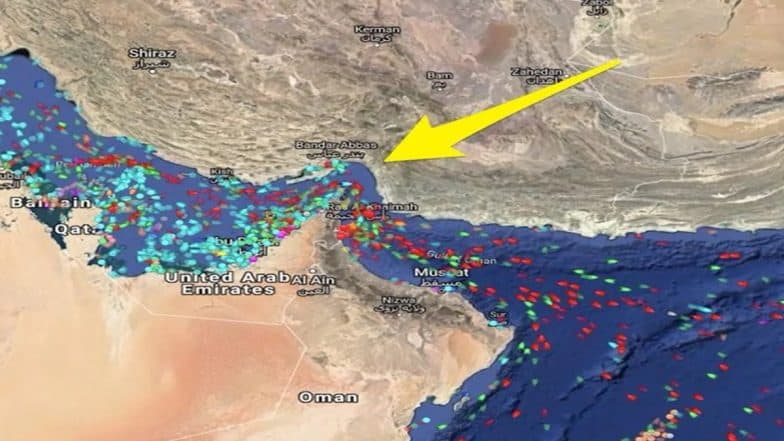
Iran is facing difficulties in fully reopening the Strait of Hormuz after deploying naval mines during its recent conflict with the United States and Israel, according to US officials cited by The New York Times. The issue stems from Iran’s inability to accurately locate and safely remove all the mines it placed in the key shipping route.
The disruption began in early March when tensions escalated following military action involving Iran, the United States, and Israel. Even before mines were deployed, Iranian officials had warned that vessels entering the strait could face attacks, triggering concerns across global shipping markets and pushing oil prices higher. Donald Trump Threatens Strait of Hormuz To Open No Matter if Iran Cooperates.
Why Iran Is Unable To Fully Reopen Strait of Hormuz
US officials said Iran used small boats to deploy naval mines in what was described as an uneven and loosely coordinated operation. In many cases, the exact locations of the mines may not have been properly recorded. Adding to the challenge, some of the mines could have drifted due to currents, making them harder to track and increasing the risk for passing vessels.
Shipping Disruptions and Strategic Leverage
The mining of the strait led to a sharp drop in tanker movement, with additional threats from drones and missiles heightening risks. The move gave Tehran temporary leverage during the conflict by restricting one of the world’s most critical oil transit routes.
Iran reportedly left a narrow corridor open for select vessels, though passage remained risky and limited. Iran Suggests It May Have Mined the Strait of Hormuz as Shaky Ceasefire Holds.
Technical Constraints Delay Reopening
Clearing naval mines is a complex and time-intensive process requiring specialised equipment. Even advanced militaries rely on dedicated systems for such operations.
US officials said Iran lacks the technical capability and resources to conduct large-scale mine-clearing operations efficiently. Damage to naval assets during the conflict has further limited its capacity.
The issue has become central to ongoing diplomatic efforts. Donald Trump has called for the “complete, immediate, and safe” reopening of the strait as part of a potential ceasefire framework.
Iran’s Foreign Minister Abbas Araghchi acknowledged “technical limitations” in reopening the route, signalling the scale of the challenge. He is expected to discuss the matter in talks with US Vice President JD Vance in Islamabad.
(The above story first appeared on LatestLY on Apr 11, 2026 01:29 PM IST. For more news and updates on politics, world, sports, entertainment and lifestyle, log on to our website latestly.com).