LPG vs LNG: Key Differences Every Homeowner Should Know
LPG (propane/butane) is a portable refinery byproduct stored in cylinders, heavier than air, and ideal for rural areas. LNG (methane) is natural gas cooled to –162 degrees Celsius for transport, then piped to homes as PNG. LNG is lighter than air and safer in leaks. India is currently prioritising LNG pipelines to reduce its high dependence on LPG imports.

New Delhi, March 28: As global energy markets face continued volatility in 2026, the distinction between Liquefied Petroleum Gas (LPG) and Liquefied Natural Gas (LNG) has moved from technical jargon to a matter of national policy. While both are "liquefied" to bridge the gap between production and consumption, they represent two entirely different chemical profiles, supply chains, and safety standards.
With the Indian government recently mandating a transition to piped gas in urban centres, understanding these fuels is now essential for every household. How To Apply for MGL PNG Connection in Thane.
The Chemistry: Propane vs Methane
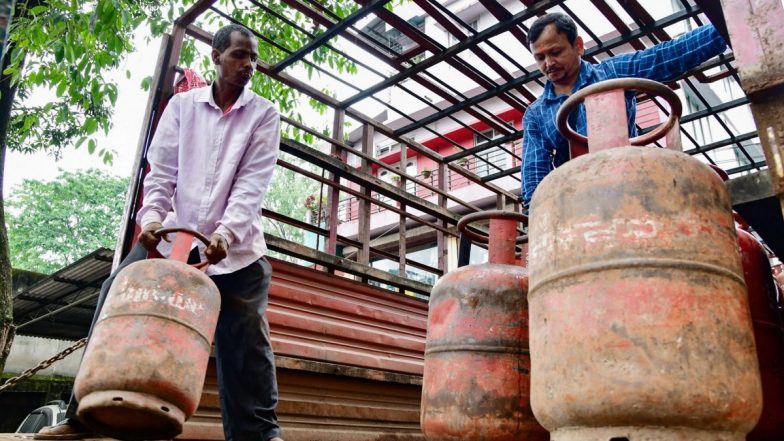
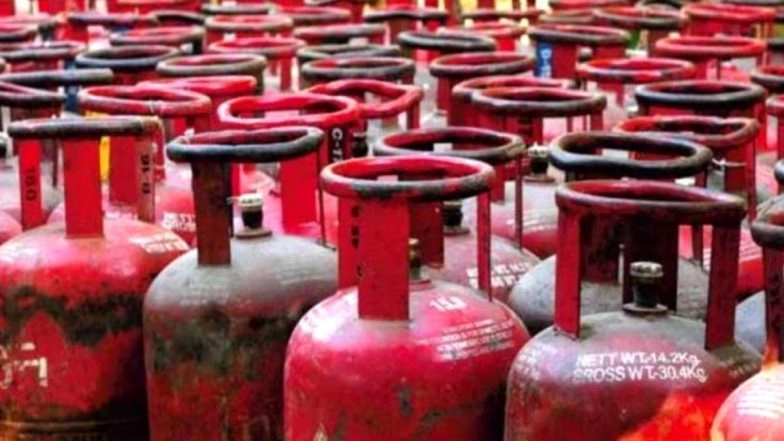
The fundamental difference begins at the molecular level. LPG is a mixture of flammable hydrocarbons, primarily propane and butane. It is a byproduct of both natural gas processing and crude oil refining. Because it becomes liquid under moderate pressure at room temperature, it is easily stored in the familiar red steel cylinders found in millions of Indian kitchens.
In contrast, LNG is essentially natural gas - mostly methane - that has been purified and cooled to an extreme –162 degrees Celsius (–260 degrees Fahrenheit). This cryogenic process shrinks its volume by 600 times, making it viable to transport across oceans in specialised "thermos-like" ships. However, unlike LPG, it cannot stay liquid at room temperature and must be "regasified" at massive coastal terminals before entering a pipeline.
Logistics: Cylinders vs Pipelines
The way these fuels reach your home defines their role in India's energy strategy. LPG is highly portable; its ability to be bottled and moved by truck makes it the "lifeline" for rural and semi-urban areas where laying pipes is geographically or economically difficult. LNG, however, is the backbone of the Piped Natural Gas (PNG) network. Once LNG is turned back into gas at a terminal, it travels through a fixed grid directly to hobs and industrial burners. While the upfront infrastructure for LNG is significantly more expensive, it eliminates the need for "booking" refills or waiting for delivery trucks, offering a metered, continuous supply similar to electricity or water.
Safety and Environmental Impact
Safety remains a primary concern for consumers, and here the physical properties of the gases play a major role:
- Weight: LPG is heavier than air. In the event of a leak, it sinks and accumulates on the floor or in basements, creating a high risk of fire or explosion.
- Dissipation: LNG (as methane gas) is lighter than air. If a leak occurs, the gas rises and dissipates rapidly into the atmosphere, which generally makes it safer in ventilated urban environments.
From an environmental standpoint, both are cleaner than coal or oil. However, LNG is considered the "greener" of the two, as it produces fewer carbon emissions and particulate matter during combustion, aligning with India's 2026 "One Nation, One Grid" sustainability goals. LPG, PNG, CNG or LNG: A Complete Guide to India’s Fuel Alphabet Amid the 2026 Supply Crisis.
Currently, India is navigating a supply crunch due to disruptions in the Strait of Hormuz, a key chokepoint for nearly 90 per cent of the country’s LPG imports. This has accelerated a policy shift: the government is now prioritising the expansion of LNG-fed pipelines in cities like Delhi, Mumbai, and Bengaluru to reduce dependence on imported LPG cylinders. For urban residents, the choice is increasingly being made for them, as new regulations move households toward the more stable, pipeline-based natural gas system.
(The above story first appeared on LatestLY on Mar 28, 2026 03:50 PM IST. For more news and updates on politics, world, sports, entertainment and lifestyle, log on to our website latestly.com).