India To Ban Sales of Chinese CCTV Brands Hikvision, Dahua From April 1, Know Details
India will ban sales of Chinese CCTV brands like Hikvision and Dahua from April 1, 2026, under new STQC rules citing cybersecurity risks. Devices using Chinese components will be denied certification, pushing local alternatives while raising prices for advanced surveillance systems.

- Read in
- हिंदी
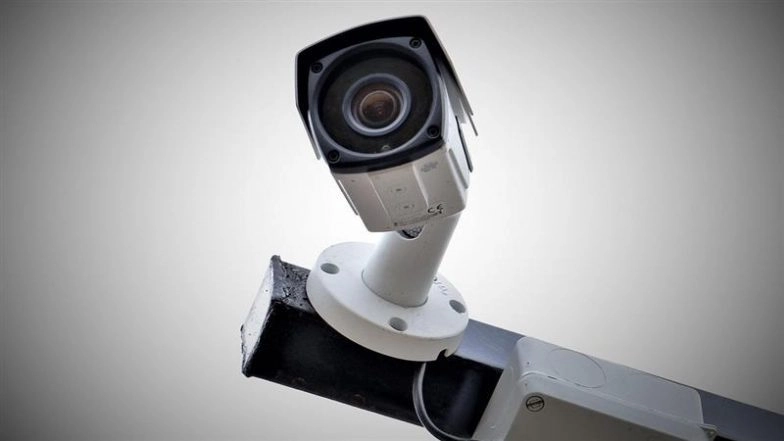
Bengaluru, March 30: India is set to enforce a major overhaul of its surveillance ecosystem from April 1, 2026, with a strict ban on non-certified internet-connected CCTV cameras, particularly those linked to Chinese manufacturers. The move marks a decisive push toward strengthening data security and reducing dependence on foreign hardware flagged as potential cybersecurity risks.
Major Brands Face Exit From Indian Market
The new rules primarily impact global surveillance giants like Hikvision and Dahua, which together held a significant share of India’s CCTV market until recently. Under the updated Standardisation Testing and Quality Certification (STQC) norms, authorities are denying approvals to devices that rely on Chinese-origin chipsets, firmware, or System-on-Chip components.
The restrictions have already disrupted operations. A large-scale manufacturing unit producing millions of cameras monthly has reportedly failed to secure certification. Meanwhile, consumer tech brands such as Xiaomi and Realme have exited the smart home camera segment in India after being unable to meet the tightened compliance standards. Indian Railways Bans Ads on Alcohol, Tobacco, Smoking; Minister Ashwini Vaishnaw Says Prior Approval Must for All Campaigns.
Cybersecurity Concerns Drive Policy Shift
The government’s decision is rooted in concerns over remote access vulnerabilities in foreign-made surveillance systems. Experts have warned that such flaws could allow unauthorized access to live camera feeds, posing risks to both individuals and critical infrastructure. Why Did Government Ban 30 OTT Platforms in India Including Ullu, MoodXVIP and Desiflix?
For existing users, the ban does not immediately disable installed devices. However, the lack of future software updates and security patches may expose systems to increasing risks over time. Access to repairs and warranty services is also expected to become limited as authorized sellers phase out non-compliant products.
Domestic Industry Gets a Boost
The crackdown has accelerated a shift toward domestic manufacturing. Indian companies and locally compliant vendors have rapidly expanded, capturing nearly 80 percent of the market share in early 2026. This transition aligns with broader government efforts to promote self-reliance in electronics production.
However, the shift comes at a cost. Replacing cheaper Chinese components with alternatives from Taiwan and the United States has increased production expenses by 15 to 20 percent. While budget cameras may remain affordable due to localized assembly, premium surveillance systems are likely to become more expensive.
What Consumers Should Know
With the April 1 deadline approaching, retailers are rushing to clear existing stock of uncertified devices. Consumers planning to purchase CCTV systems are advised to verify STQC certification to ensure compliance and long-term usability.
This move signals India’s strong stance on data sovereignty and cybersecurity. While it may lead to higher prices in the short term, the policy aims to build a safer and more resilient surveillance infrastructure for the future.
(The above story first appeared on LatestLY on Mar 30, 2026 06:16 PM IST. For more news and updates on politics, world, sports, entertainment and lifestyle, log on to our website latestly.com).