What Is Alpha-Gal Syndrome? All About Tick-Borne Red Meat Allergy That Caused Pilot’s Death in New Jersey
A 47-year-old New Jersey pilot has become the first known fatality from alpha-gal syndrome, a rare red-meat allergy triggered by a tick bite. Researchers confirmed the cause months after his sudden collapse, linking it to a severe delayed allergic reaction. So, what is alpha-gal syndrome? Let’s know all about the tick-borne red meat allergy.

Mumbai, November 14: A 47-year-old airline pilot from New Jersey has been confirmed as the first known person to die from alpha-gal syndrome, a rare but potentially fatal red-meat allergy caused by a tick bite. The case, investigated by researchers at the University of Virginia School of Medicine and published in a leading medical journal, had initially baffled doctors after his sudden collapse showed no signs of a heart attack or other obvious cause. It was only months later, through blood testing and the family’s recollection of earlier symptoms, that experts identified a severe allergic reaction triggered hours after he ate a hamburger.
The victim had experienced a similar but unrecognised reaction two weeks earlier after eating steak, highlighting how easily the delayed-onset allergy can go unnoticed. With lone star ticks spreading to new regions and doctors reporting rising cases, the incident has renewed concern about the growing public health risk associated with tick-borne meat allergies. So, what is alpha-gal syndrome? Let’s know all about the tick-borne red meat allergy. Listeria Outbreak in US Linked to Precooked Pasta Meals Leaves 6 People Dead and 25 Hospitalised, 18 States Affected.
What is Alpha-Gal Syndrome?
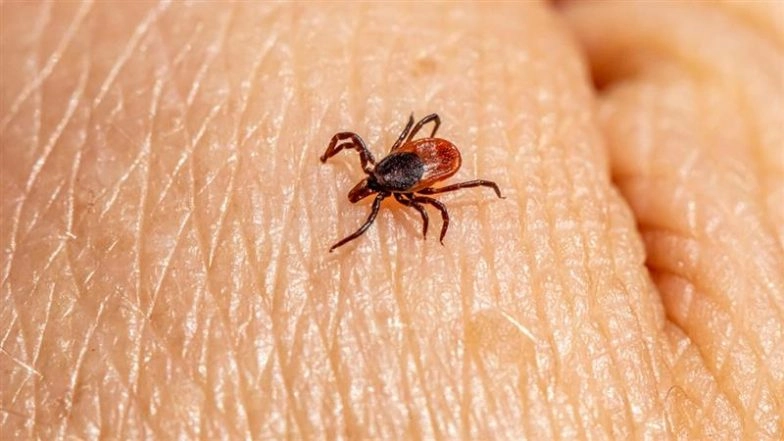
Alpha-gal syndrome (AGS) is an unusual, delayed-onset food allergy triggered by a bite from certain ticks, most commonly the lone star tick, which transfers a sugar molecule called alpha-gal into the bloodstream, causing the immune system to develop a sensitivity to it. Once this allergy forms, people can experience reactions two to six hours after consuming red meat or mammalian products such as beef, pork, lamb, dairy, or foods containing animal-derived ingredients like gelatin. Women Nearly 3 Times More Prone to Memory Loss Than Men, Finds Study; Widows and Single Women Face Greater Risk.
Symptoms
AGS symptoms typically appear 2 to 6 hours after consuming red meat or alpha-gal–containing products and may include hives, itching, flushing, swelling of the lips or face, shortness of breath, coughing, wheezing, stomach pain, nausea, vomiting, diarrhoea, dizziness, joint pain, or life-threatening anaphylaxis.
Treatment
There is no cure for AGS; however, Treatment focuses on strict avoidance of red meat and mammalian products, checking labels for hidden animal-derived ingredients, and preventing future tick bites. Patients are often prescribed antihistamines and an epinephrine auto-injector for emergencies. In some cases, symptoms lessen over time if additional tick bites are avoided.
The New Jersey pilot’s case underscores how easily alpha-gal syndrome can be overlooked, especially because its reactions occur hours after eating and can resemble common stomach illnesses. With lone star ticks expanding into new regions and doctors still unfamiliar with the condition, experts warn that more people may face similar risks without realising they’ve developed the allergy. The man’s delayed reactions, earlier unexplained illness after eating steak, and lack of awareness about anaphylaxis all contributed to the tragic outcome.
(The above story first appeared on LatestLY on Nov 14, 2025 11:52 AM IST. For more news and updates on politics, world, sports, entertainment and lifestyle, log on to our website latestly.com).