












 Quickly
 Socially
 Trending
 Crypto
At LatestLY Fact Check, our verification process is rooted in transparency, rigour and non-partisanship. We are committed to identifying and countering false, misleading and manipulated content in the public domain irrespective of ideology and bias whether it appears on social media, messaging apps, mainstream news or viral internet chatter. Our methodology ensures that each fact-check is conducted with integrity, accuracy, and clarity.
1. Monitoring and Claim Identification
Our fact-checking team tracks a wide range of sources including:
-
Viral social media posts across platforms like X (Twitter), Facebook, Instagram, WhatsApp, YouTube, Telegram and Threads.
-
News media reports, opinion columns, blogs and public statements.
-
User-submitted claims via email and social media mentions.
We also make use of social listening tools and misinformation trackers to flag content that is suspicious, misleading, or out of context.
2. Claim Selection Criteria
We prioritise fact-checks that meet one or more of the following:
-
Are going viral or gaining rapid visibility.
-
Pose a risk of public harm or confusion (e.g. fake government announcements, health misinformation, hate speech, or doctored videos).
-
Relate to major topics of public interest such as elections, governance, science, communal issues, policies, or emergencies.
-
Misrepresent quotes, data, or visuals in a misleading context.
3. Verification Process
Our verification process involves multiple levels of scrutiny:
-
Manual Evaluation: We trace content back to its original source, assess the credibility of that origin, and examine it for clear signs of misinformation or manipulation using a comprehensive verification checklist that includes spellings, grammatical errors, poor graphic quality and more.
-
Tool-Based Research: Reverse search tools like Google Lens, InVID, TinEye and Yandex help us analyse and verify images and videos. We do extensive research using plagiarism checker, reverse AI detection tools, internet archive tool like Wayback Machine and more.
-
Keyword & Metadata Analysis: We perform contextual and linguistic searches to determine date, time and place of the claim.
-
Expert Consultation: For technical subjects (medical, scientific, legal), we consult qualified independent experts.
-
Official Sources: We cross-reference information using government websites, RTI replies, public records, official press releases and scientific literature.
We maintain a clear audit trail of evidence used, with links and citations wherever possible.
4. Transparency of Sources
We are transparent about how we gather evidence. Our fact-checks contain:
-
Screenshots or embeds of the original claim
-
Step-by-step verification
-
Direct links to all primary sources
-
Disclosure when information is not independently verifiable
Anonymous or secondary sources are avoided unless there is a critical safety issue, in which case editorial discretion and additional verification measures are taken.
5. Rating and Verdicts
At LatestLY Fact Check, every investigation concludes with a visually clear and easy-to-understand verdict that reflects the factual accuracy of the claim.
The LatestLY Fact Check team follows a structured rating system to assess the accuracy of viral claims. A rating of 1 indicates a false claim, marked with a red bin symbol. A rating of 5 represents a true claim, accompanied by a green bin icon. For claims that are partially true, misleading, or lack full context, a rating of 3 is given and shown with a grey bin. This clear, colour-coded system helps readers quickly understand the verdict and level of credibility of each claim.
This bin-based rating system symbolises whether the claim belongs in the trash or deserves to be kept clean. This playful yet effective visual approach helps our audience quickly grasp the truthfulness of a claim.
Here’s how our verdicts work:
 False — The claim is entirely incorrect or fabricated. It belongs in the trash and that’s where we put it.
 True — The claim is factually accurate and verified. It’s clean and good to go.
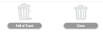 Partly True / Misleading — The claim may contain elements of truth but is presented in a deceptive, incomplete, or exaggerated manner.
The reasoning behind the label is clearly explained in the article for reader understanding.
6. Reader Engagement
We encourage readers to be a part of our verification network. You can:
-
Submit suspicious claims for fact-checking via contact@latestly.com or social media (LatestLY official X, LinkedIn, Instagram and Facebook accounts).
-
Share our fact-checks to help stop the spread of misinformation.
Every tip is reviewed by our editorial team, and if deemed newsworthy or impactful, it is prioritised for investigation.
7. Commitment to Open Methods
We aim to make our fact-checking methods reproducible and open. We welcome scrutiny, feedback, and collaboration to improve our standards continuously.
 Google Trends

 Live Bot