Lyrid Meteor Shower 2026: When and How To Watch the Peak in India
The Lyrid meteor shower peaks in India between midnight and dawn on April 22. Observers can expect up to 18 meteors per hour, including occasional bright fireballs. With the moon setting early, conditions are ideal in dark-sky regions like Himachal and Rajasthan. No equipment is needed to view this 2,700-year-old celestial event.

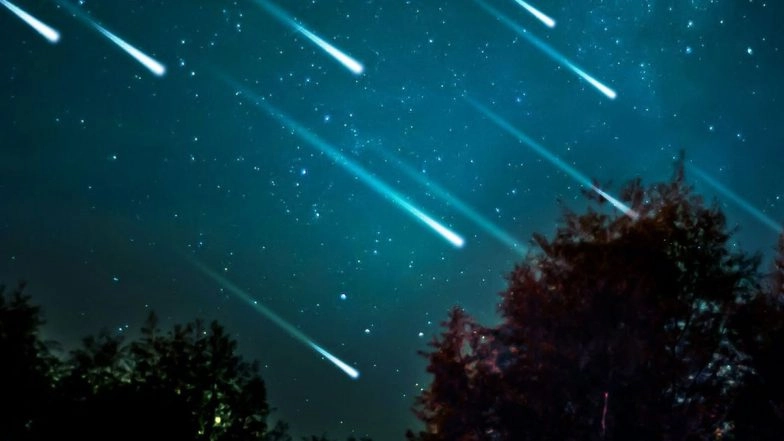
Stargazers across India are preparing for the peak of the Lyrid meteor shower, which is set to reach its maximum activity during the pre-dawn hours of Wednesday, April 22. This year's display is expected to be particularly clear, as the waxing crescent moon - illuminated at approximately 33 per cent - will set before the prime viewing window, leaving the skies dark enough to spot up to 18 meteors per hour.
Optimal Viewing Window of Lyrid Meteor Shower in India
While the shower is active from April 14 to April 30, the most intense activity for Indian observers will occur between midnight and dawn on April 22. The radiant point of the shower, located near the bright star Vega in the constellation Lyra, will rise in the northeast around 10:00 PM tonight and climb higher as the night progresses. Lyrid Meteor Shower 2026: Will It Be Visible in India? Peak Date, Time and Viewing Tips.
Experts recommend the hours between 1:00 AM and 5:00 AM (IST) as the best time to watch, as the radiant will be at its highest point before the morning twilight begins to brighten the sky.
Where to Watch the Lyrid Meteor Shower: Prime Locations
For the best experience, moving away from urban light pollution is essential. India offers several world-class stargazing regions for this event:
- High Altitude: Rural areas in Himachal Pradesh, Uttarakhand, and Ladakh offer the thinnest atmosphere and clearest views.
- Desert & Coastal: The Thar Desert in Rajasthan and the dark, unobstructed horizons of the beaches in Goa and Kerala (away from resort lighting) provide excellent visibility.
- Urban Strategy: If travelling is not an option, city dwellers should head to high rooftops with minimal direct street lighting.
Spectator Tips and What to Expect During the Lyrid Meteor Shower
The Lyrids are known for their high speeds - travelling at roughly 49 km per second - and their tendency to produce bright "fireballs". Unlike other astronomical events, you do not need a telescope or binoculars to enjoy the show; a wide-angle view of the sky is actually preferable.
- Let Your Eyes Adjust: It takes about 20 to 30 minutes for human eyes to fully adapt to the dark. Avoid looking at mobile screens during this time.
- Broad Scanning: While the meteors originate from the northeast, they can streak across any part of the sky.
- Comfort is Key: Since the best viewing is in the early morning, using a reclining chair or a blanket to lie flat will prevent neck strain and allow for a broader view. NASA’s Artemis II Astronauts Return After Venturing Where No Human Had Gone Before, Raising Hope for Humanity.
A Legacy 2,700 Years in the Making
The Lyrids are among the oldest recorded meteor showers, with Chinese astronomers first documenting the event in 687 BC. The shower is caused by debris from Comet Thatcher (C/1861 G1), a long-period comet that orbits the sun once every 415 years. As Earth passes through the dusty trail left by the comet, these tiny particles = often no larger than a grain of sand, vaporise in our atmosphere, creating the "shooting stars" visible from the ground.
(The above story first appeared on LatestLY on Apr 20, 2026 02:59 PM IST. For more news and updates on politics, world, sports, entertainment and lifestyle, log on to our website latestly.com).