Lyrid Meteor Shower 2026: When and Where To Watch in India; Best Time for Delhi, Mumbai, Bengaluru
The Lyrid meteor shower will peak on April 21-22 and be visible across India. Best viewing time is between 12:00 am and 5:00 am, especially 3:00-5:00 am. Cities like Delhi, Mumbai and Bengaluru can witness the event, though visibility may vary due to light pollution and weather conditions.

- Read in
- हिंदी
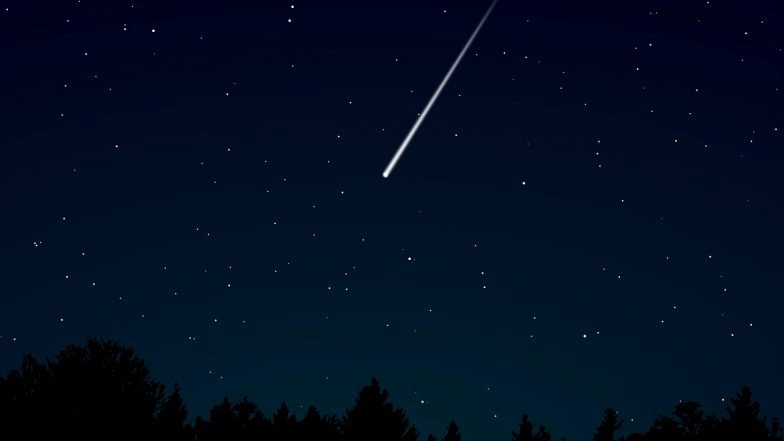
The annual Lyrid meteor shower is set to peak on April 21-22, offering skywatchers across India a chance to witness one of the oldest recorded celestial events. The meteor shower will be visible from major cities including Delhi, Mumbai, Bengaluru, Chennai and Kolkata.
The event occurs each year when Earth passes through debris left behind by Comet Thatcher. As these particles enter Earth’s atmosphere, they burn up, creating streaks of light commonly known as shooting stars. Lyrid Meteor Shower 2026: When and How To Watch the Peak in India.
When to Watch the Lyrid Meteor Shower 2026
The best time to observe the Lyrids in India is between 12:00 am and 5:00 am IST, with peak visibility expected during pre-dawn hours from 3:00 am to 5:00 am. Astronomers note that the meteors appear to radiate from the constellation Lyra in the northeastern sky, near the bright star Vega.
City-Wise Viewing Timings in India
Viewing conditions will vary depending on local weather and light pollution:
- Delhi: 2:30 am-5:00 am; moderate visibility due to urban lighting
- Mumbai: 2:30 am-5:00 am; coastal humidity and city lights may affect clarity
- Bengaluru: 2:00 am-5:00 am; relatively clearer skies, especially in elevated areas
- Chennai: 2:30 am-5:00 am; haze may limit visibility
- Kolkata: 2:30 am-5:00 am; humidity and light pollution could interfere
- Hyderabad: 2:00 am-5:00 am; better chances due to clearer skies
- Pune: 2:00 am-5:00 am; good visibility in outskirts away from city lights
Northern and central parts of India are expected to offer comparatively better viewing conditions. Lyrid Meteor Shower 2026: Will It Be Visible in India? Peak Date, Time and Viewing Tips.
What to Expect in the Night Sky
The Lyrids are considered a medium-intensity meteor shower, typically producing 10 to 15 meteors per hour under clear skies. Occasionally, brighter streaks known as fireballs may also be visible. The meteor shower has been observed for over 2,700 years, making it one of the oldest known astronomical events.
How to Watch Without Equipment
No special equipment is required to view the meteor shower. Experts recommend finding a dark location away from city lights and allowing 15-20 minutes for your eyes to adjust to the darkness. Clear skies and minimal light pollution significantly improve the chances of spotting meteors.
The Lyrids are active from April 14 to April 30 each year. They mark the beginning of the annual meteor shower calendar, with the next major event being the Eta Aquariids in May. The current lunar phase is not expected to significantly interfere with visibility during peak hours this year.
(The above story first appeared on LatestLY on Apr 21, 2026 08:29 PM IST. For more news and updates on politics, world, sports, entertainment and lifestyle, log on to our website latestly.com).