Sharks in the Bahamas Test Positive for Cocaine and Caffeine, Scientists Warn of Growing Marine Pollution
A study by biologist Natascha Wosnick found cocaine, caffeine, and painkillers in sharks near the Bahamas. Analysis of 85 sharks near Eleuthera Island revealed nearly 30% contamination, linked to sewage and tourism. The presence of these drugs has caused metabolic shifts, highlighting urgent risks to marine life in supposedly pristine ecosystems.

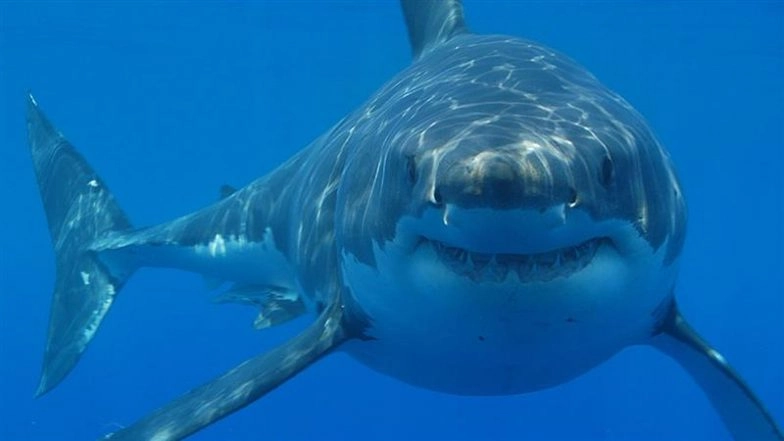
Nassau, March 21: A new study has revealed the presence of cocaine, caffeine, and various pharmaceutical drugs in the blood of sharks swimming off the coast of the Bahamas. The research, led by biologist Natascha Wosnick from the Federal University of Paraná, analysed 85 sharks near Eleuthera Island and found that nearly a third of the subjects were contaminated with human-induced chemicals. The findings, published in the journal Environmental Pollution, raise significant concerns about the impact of tourism and waste management on ecosystems previously considered pristine.
Researchers identified a cocktail of substances in the sampled sharks, including anti-inflammatory medications like acetaminophen and diclofenac, alongside stimulants. While most of the detections involved legal pharmaceuticals and caffeine, one juvenile lemon shark tested positive for cocaine. The presence of these substances in the blood, rather than muscle tissue, indicates relatively recent exposure, suggesting that the sharks are actively encountering these contaminants in their immediate environment. Is Jeffrey Epstein Alive? 'Palm Beach Pete’ Breaks Silence Over Viral Video Claims, Says ‘I Am Not the Billionaire Pedo’.
Human Activity and Sewage Runoff as Primary Sources
The study points to human activity as the most likely source of the chemical trail. Many of the contaminated sharks were captured near an inactive fish farm, a location frequently visited by divers and tourists. Biologists suggest that inadequate sewage treatment and direct human discharge into the water—specifically through urination and waste dumping—are the primary pathways for these drugs to enter the marine food web.
Sharks are opportunistic and highly inquisitive predators, often biting unfamiliar objects to investigate their potential as food. This behavioural trait increases their risk of direct exposure, especially in areas where drug trafficking or littering occurs. In the case of the juvenile lemon shark, researchers noted that discarded packages containing drug residue have been spotted in the nearby nursery creeks where the shark was found.
Physiological Stress and Metabolic Alterations
The research team documented notable shifts in the metabolic markers of the affected sharks, specifically regarding urea, lactate, and triglyceride levels. These biomarkers are typically associated with physiological stress and energy expenditure. While it is currently unclear if these changes lead to long-term health decline, scientists warn that stimulants like caffeine and cocaine could fundamentally alter shark behaviour, potentially affecting their hunting patterns and response to threats.
The unique physiology of sharks makes it difficult for researchers to assess the full ecological risk. Unlike many other fish, elasmobranchs possess specialised detoxification systems that may respond unpredictably to "contaminants of emerging concern" (CECs). This lack of data represents a major barrier to developing effective conservation strategies for populations already facing pressure from overfishing and habitat loss.
A Growing Trend of Marine Drug Contamination
This is not the first instance of "cocaine sharks" making headlines. In 2024, a separate study found significant concentrations of cocaine in sharpnose sharks off the coast of Rio de Janeiro, Brazil. However, the Bahamas study is particularly notable because it identifies a wider array of common household medications in a region renowned for its clear waters and protected marine parks. Robot Viral Video: Dancing Robot Glitches at HaiDiLao Hotpot Restaurant in California, Sends Plates Flying.
The findings serve as a reminder that chemical pollution is often invisible and pervasive. As tourism continues to grow in the Bahamas, the pressure on coastal infrastructure and wastewater management systems increases. Experts call for urgent policy changes to address how human-derived chemicals are filtered before reaching the ocean, ensuring that the "paradise" status of these waters is maintained for both marine life and future visitors.
(The above story first appeared on LatestLY on Mar 21, 2026 11:53 AM IST. For more news and updates on politics, world, sports, entertainment and lifestyle, log on to our website latestly.com).