Will Iran Ceasefire Be Extended? Donald Trump Signals Possible Return to US Military Action
US President Donald Trump said he may not extend the Iran ceasefire, warning of possible renewed military action if talks fail. The ceasefire expires next week amid tensions over the Strait of Hormuz and US port blockade. Iranian officials warned of restrictions if pressure continues, while diplomatic discussions remain ongoing ahead of the deadline.

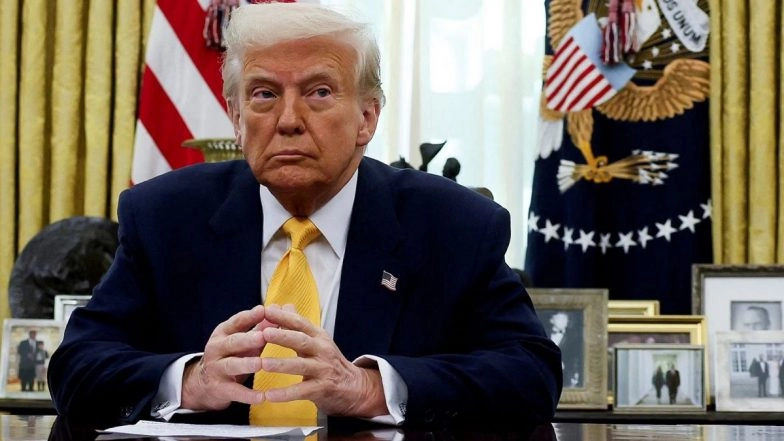
US President Donald Trump has said he is considering not extending the current ceasefire with Iran, warning that the United States could resume military action if negotiations fail. The ceasefire, which is set to expire next week, comes amid ongoing diplomatic talks and heightened tensions over regional security and maritime routes.
The remarks follow a series of statements from both Washington and Tehran suggesting uncertainty over the future of the agreement. While US officials have pointed to progress in talks, Iranian leaders have issued warnings tied to restrictions and military pressure in the region. Iran Reopens Strait of Hormuz, Threatens To Close It Again as US Maintains Its Blockade.
No Extension in Ceasefire with Iran: Donald Trump
NEW: President Trump told me @NewsNation that “maybe he won’t extend the ceasefire” with Iran when it expires next week.
He tells me unfortunately he may have to “start dropping bombs again.”
Then he said “I think it’s gonna happen” meaning the deal. And then he walked away.
— Kellie Meyer (@KellieMeyerNews) April 18, 2026
Donald Trump Says 'Maybe Won't Extend Iran Ceasefire'
Speaking to media outlet NewsNation, Trump said he may choose not to extend the ceasefire and suggested that military action could resume if required. He also referred to the possibility of renewed strikes, while maintaining that discussions with Iran had shown some progress.
Earlier, Trump had said Iran agreed to cooperate on issues including oversight of enriched uranium, although no formal agreement has been publicly confirmed by Tehran. ‘Our Launchers Are Locked’: Khamenei’s Adviser Threatens To Sink US Warships Amid Escalating Iran-US Tensions.
Military Pressure and Maritime Tensions
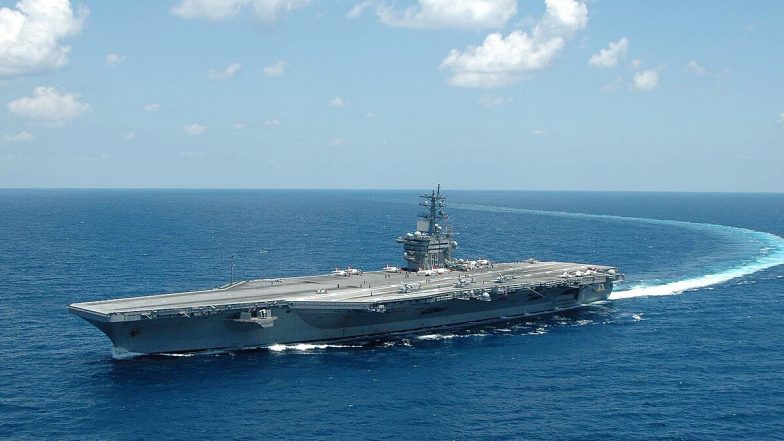
The situation remains closely linked to US military positioning in the region, including a continued blockade of Iranian ports, which Washington has said will remain until broader security concerns are resolved.
Tensions have also centered on the Strait of Hormuz, a critical route for global energy supplies. The strait has been a recurring point of dispute during the conflict and ceasefire discussions.
Iranian parliamentary speaker Mohammad Bagher Ghalibaf warned that the strait could face restrictions if US military pressure continues. He stated that passage through the waterway would depend on Iranian authorization and designated routes.
Ghalibaf also criticised US statements, accusing Washington of spreading misinformation and linking media narratives to broader political pressure.
China, which relies heavily on energy imports passing through the Strait of Hormuz, has been closely monitoring developments. Chinese officials have called for the restoration of normal maritime movement, emphasising the importance of stable energy flows.
China’s Foreign Minister Wang Yi recently told Iranian officials that reopening safe passage through the strait aligns with international interests, reflecting broader global concern over potential disruptions.
Despite rising tensions, both sides are expected to continue discussions in the coming days. However, conflicting statements from Washington and Tehran highlight the fragile nature of the ceasefire and uncertainty over whether it will be extended. Officials have not confirmed a final decision, and diplomatic channels remain active ahead of the deadline.
(The above story first appeared on LatestLY on Apr 18, 2026 09:41 AM IST. For more news and updates on politics, world, sports, entertainment and lifestyle, log on to our website latestly.com).