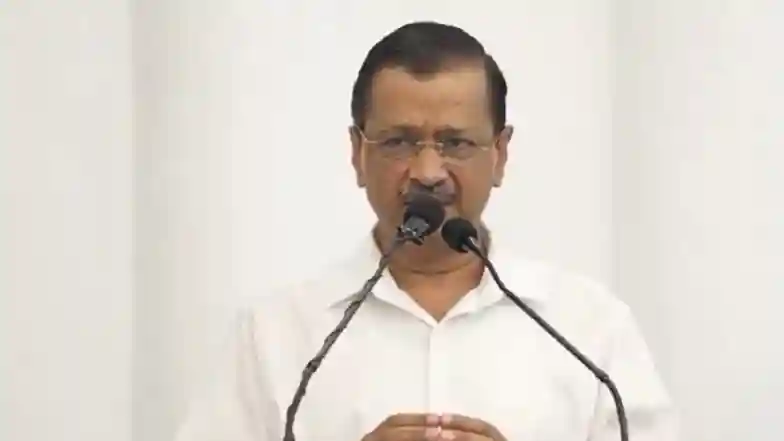
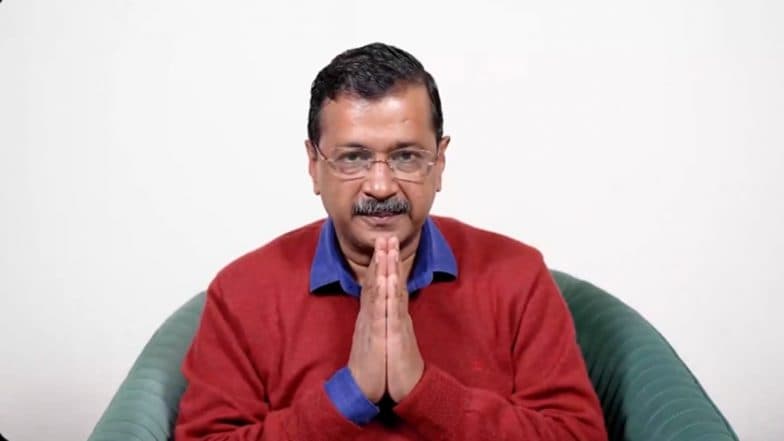
Arvind Kejriwal, Manish Sisodia’s Legal Battle Continues: CBI Seeks Delhi High Court Review of Discharge Order in Excise Policy Case
The Delhi High Court is scheduled to hear a petition by the Central Bureau of Investigation (CBI) on March 9, challenging a trial court’s decision to discharge former Chief Minister Arvind Kejriwal, former Deputy Chief Minister Manish Sisodia, and 21 others in the high-profile excise policy case.

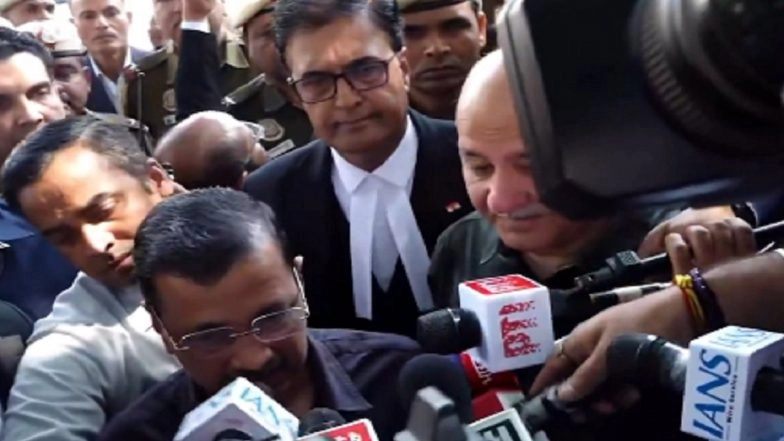
New Delhi, March 1: The Delhi High Court is scheduled to hear on March 9 the plea filed by the Central Bureau of Investigation (CBI) challenging the trial court's order discharging all 23 accused in the Delhi excise policy case, including former Chief Minister Arvind Kejriwal and former Deputy Chief Minister Manish Sisodia. As per the High Court's cause list, the matter will be taken up by the Bench of Justice Swarna Kanta Sharma.
The CBI has formally moved the High Court seeking to set aside the discharge order passed by the trial court in connection with the now-scrapped Delhi Excise Policy 2021-22. On February 27, a Special Court discharged all the accused in the case registered by the CBI. The order was pronounced by Special Judge (PC Act) Jitender Singh of the Rouse Avenue Court. Arvind Kejriwal, Manish Sisodia Cleared by Delhi Court in Alleged Liquor Policy ‘Scam’ (Watch Video).
The Special Court held that there was no overarching conspiracy or criminal intent in the formulation of the excise policy and observed that the prosecution's case did not survive judicial scrutiny. It noted that the CBI's theory of criminal conspiracy was based on conjectures rather than legally admissible evidence. The Court found that no prima facie case was made out against any of the 23 accused and ordered their discharge.
The judge also raised concerns over the agency's investigative approach, particularly its reliance on the statement of an approver. The Court observed that granting a pardon to an accused and then using his statement to fill gaps in the prosecution's case or implicate additional persons was improper and could amount to a violation of constitutional safeguards. Liquor Policy ‘Scam’: Delhi Court Extends Judicial Custody of CM Arvind Kejriwal Till September 25.
The Court further indicated that it would recommend a departmental inquiry against CBI officials for making public servant Kuldeep Singh the accused number one in the case.
The case stems from allegations of corruption in the Delhi Excise Policy 2021-22 introduced by the Aam Aadmi Party (AAP) government. The CBI alleged that the policy was designed to benefit certain private liquor licensees, leading to alleged kickbacks and financial loss to the Delhi government.
(The above story is verified and authored by ANI staff, ANI is South Asia's leading multimedia news agency with over 100 bureaus in India, South Asia and across the globe. ANI brings the latest news on Politics and Current Affairs in India & around the World, Sports, Health, Fitness, Entertainment, & News. The views appearing in the above post do not reflect the opinions of LatestLY)