












 Quickly
 Socially
 Trending
 Crypto
Sao Paulo, May 22 (AP) The first death from waterborne bacterial disease was reported in southern Brazil, where floodwaters were slowly receding, and health authorities warned additional fatalities were likely.
Rio Grande do Sul state's health secretariat confirmed the death of a 67-year-old man due to leptospirosis on Monday, while local media reported a second death from the same infectious disease.
Also Read | Pakistan: Imran Khan Hints at Launching Street Agitation; Instructs Party Supporters to Wait for His Call.
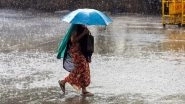
The flooding over about a two-week period killed at least 161 people, with 82 still missing, state authorities said Wednesday. More than 600,000 people were forced from their homes, including tens of thousands who remain in shelters, they said.
Health experts had previously forecast a surge in infectious diseases including leptospirosis and hepatitis B within a couple weeks of the floods, as sewage mixed into the floodwaters.
“There are those who die during the flood and there is the aftermath of the flood,” said Paulo Saldiva, a professor at the University of Sao Paulo medical school who researches the impacts of climate change in health. “The lack of potable water itself will mean that people will start using water from reservoirs that is not of good quality.”
The unprecedented disaster struck more than 80% of the state's municipalities and damaged critical infrastructure. Over 3,000 health establishments — hospitals, pharmacies, health centers, and private clinics — were affected, according to a report from the federal government's health research institute Fiocruz released Tuesday.
“The outbreak of leptospirosis cases was somewhat expected due to the number of people exposed to the water, as well as other diseases,” said Carlos Machado, a public health and environmental expert who Fiocruz appointed to track the flood's impact. “We have never seen in Brazil a disaster of this size and with such a large exposed population.”
Machado said that even though infrastructure, basic control services and health services have been disrupted, the local health department is working to offer prophylaxis to infectious diseases and guidance to people returning home on how to reduce the exposure risks.
Interruption of health services can also have a lasting impact on patients treating chronic diseases, as treatment and care for chronic patients are discontinued, Machado said. People also often leave home during climate disasters without their prescriptions or identification.
“The health department is working hard to guarantee medication to patients with chronic diseases,” he said. (AP)
(The above story is verified and authored by Press Trust of India (PTI) staff. PTI, India’s premier news agency, employs more than 400 journalists and 500 stringers to cover almost every district and small town in India.. The views appearing in the above post do not reflect the opinions of LatestLY)
 Share Now
 Google Trends



 Live Bot