No Maintenance if DNA Test Proves Man Is Not Biological Father, Says Supreme Court; Dismisses Appeal Challenging Denial of Maintenance
The Supreme Court ruled that a man is not liable for child maintenance if a DNA test proves he is not the biological father, even if the child was born during marriage. This scientific evidence overrides the legal presumption of legitimacy. While dismissing the appeal, the Court directed Delhi authorities to ensure the child’s welfare.

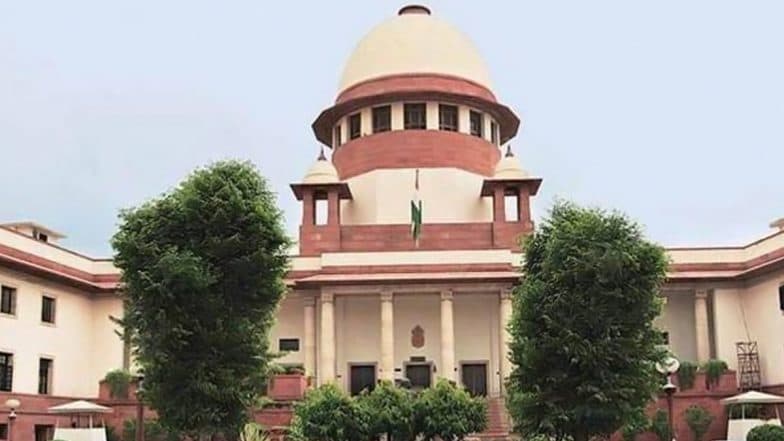
The Supreme Court of India has ruled that a man cannot be compelled to pay maintenance for a child if a DNA test conclusively proves he is not the biological father, even if the child was born during a valid marriage. A bench comprising Justice Sanjay Karol and Justice Nongmeikapam Kotiswar Singh dismissed an appeal filed by a mother challenging a Delhi High Court decision.
The ruling clarifies the legal hierarchy between traditional statutory presumptions of legitimacy and modern scientific evidence in matrimonial disputes. Supreme Court Enhances Wife’s Maintenance to INR 25,000, Rules EMIs Cannot Override Husband’s Duty To Maintain Spouse.
Background of the Dispute
The case originated from a marriage finalised in 2016 that later dissolved into matrimonial conflict. The mother had sought interim maintenance for herself and her daughter under the Protection of Women from Domestic Violence Act, 2005. During the lower court proceedings, the respondent requested a DNA paternity test, which the Magistrate granted. The results established that the man was not the biological father. Based on this report, the Trial Court rejected the maintenance claim for the child - a decision subsequently upheld by both the appellate court and the High Court.
Scientific Evidence vs Statutory Presumption
The central legal question involved Section 112 of the Indian Evidence Act (now Section 116 of the Bharatiya Sakshya Adhiniyam). This law traditionally presumes that any child born during a marriage is legitimate unless it can be proven that the husband and wife had "no access" to each other at the time of conception. The Supreme Court noted that while previous judgments, such as Aparna Ajinkya Firodia (2023), cautioned against routinely ordering DNA tests to protect children from the "stigma of illegitimacy", the current case was different. Because the DNA test had already been conducted with the mother's consent and the results were not disputed, the bench ruled that the scientific truth must prevail over the legal presumption.
"In this case, the DNA test has been conducted... and has, in other words, attained finality," the bench recorded. The court aligned its reasoning with the 2014 precedent set in Nandlal Wasudeo Badwaik, which held that when facts and science collide with a legal fiction, the scientific evidence must be prioritised.
Balancing Legal Precedents
The bench acknowledged the evolving nature of paternity law in India. They referenced the 2025 judgment in Ivan Rathinam v. Milan Joseph, which advocated for a "balancing of interests" - weighing the potential harm of declaring a child illegitimate against the right to know one's biological parentage. While the justices agreed that courts should remain hesitant to order DNA tests in a "cautious manner", they emphasised that once a conclusive report is already part of the judicial record, it cannot be ignored in favour of a theoretical presumption. ‘Shaanti Se Baitho, Dete Raho INR 15,000, Khush Raho’: Supreme Court Refuses Divorce to Man Paying Maintenance for 16 Years.
Focus on Child Welfare
Despite denying the maintenance claim against the respondent, the Supreme Court expressed significant concern regarding the welfare of the child. The bench noted that the child should not suffer due to the ongoing parentage dispute. To ensure the child's well-being, the Court directed the Secretary of the Women and Child Development Department of the Delhi Government to depute an official to assess the child’s living conditions. This assessment will cover:
- Access to education and healthcare.
- Nutritional standards.
- Basic material and emotional needs.
The department has been instructed to take immediate remedial measures if any deficiencies are found in the child's upbringing or environment.
Women and Child Helpline Numbers:
Childline India – 1098; Missing Child and Women – 1094; Women’s Helpline – 181; National Commission for Women Helpline – 112; National Commission for Women Helpline Against Violence – 7827170170; Police Women and Senior Citizen Helpline – 1091/1291.
(The above story first appeared on LatestLY on Apr 23, 2026 09:15 AM IST. For more news and updates on politics, world, sports, entertainment and lifestyle, log on to our website latestly.com).