Heatwave 2026: India Emerges As Global ‘Hotbox’ As 95 of World’s 100 Hottest Cities Recorded Within the Country
India has become a global heat epicenter, with 95 of the world's 100 hottest cities located within the country. Temperatures have surged past 45 degrees Celsius in regions like Uttar Pradesh and Odisha due to dry winds and the 'urban heat island' effect. Authorities have issued severe health alerts and implemented work restrictions to combat the crisis.

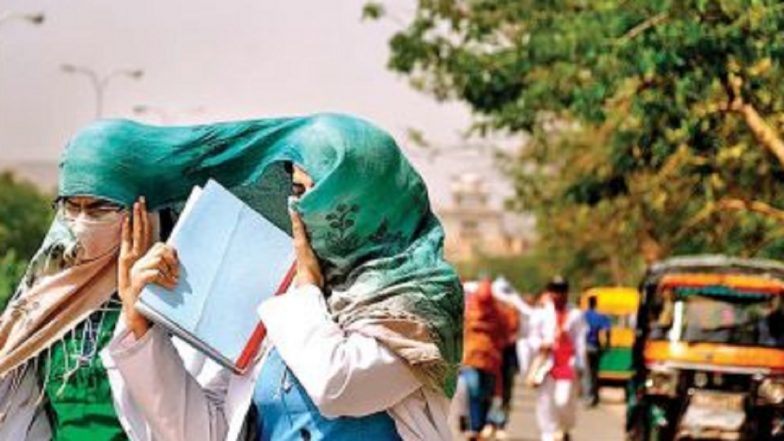
India has become the epicentre of a historic global heat surge, with real-time temperature data revealing that 95 of the world's 100 hottest cities are currently located within its borders. As of late April 2026, a relentless heatwave has pushed temperatures past the 45 degrees Celsius mark in several regions, sparking severe health warnings from the India Meteorological Department (IMD). The concentration of extreme heat across the subcontinent highlights a "hotbox effect" driven by a combination of atmospheric conditions and long-term climatic shifts.
Severe Heatwave Grips Multiple States
The current heatwave spans a vast geography, affecting major urban centres and smaller rural towns alike. In Uttar Pradesh, the city of Banda recorded a staggering 47.4 degrees Celsius this weekend, equaling its highest-ever April temperature since 1951. Other regions, including West Bengal, Bihar, Odisha, and Maharashtra, have dominated global top-100 charts with consistent readings between 43 degrees Celsius and 45 degrees Celsius. Heatwave In India: Gig Workers’ Federation Writes to Labour Ministry Seeking Mandatory Heat Protection for App-Based Workers Amid Rising Temperatures.
In the national capital, Delhi recorded its hottest day of the year so far at 42.8degrees Celsius, which is more than five degrees above the seasonal average. The IMD has issued "orange alerts" for several districts, signalling that the intense heat is likely to persist for at least the next 48 to 72 hours.
Factors Driving the 'Hotbox' Effect
Meteorologists attribute this extraordinary clustering of high temperatures to several synchronised weather patterns. Persistent dry northwesterly winds have been preventing cloud formation and rainfall, allowing for intense, direct solar heating. Additionally, an anticyclone over Maharashtra has been pushing hot air toward northern and eastern India while simultaneously trapping heat near the surface. Experts also point to the "urban heat island" effect, where concrete infrastructure retains heat, preventing cities from cooling down even during the night.
Public Health and Government Response
The prolonged exposure to extreme temperatures has prompted state governments to activate emergency action plans. In Delhi, Chief Minister Rekha Gupta directed officials to strictly implement the Heat Wave Action Plan 2026, which includes:
- Work Restrictions: Enforcing breaks for construction and outdoor labourers during peak heat hours.
- School Safety: Providing ORS solutions to children to prevent dehydration during commutes.
- Medical Readiness: Scaling up heat-stroke wards in public hospitals.
Medical experts warn that the risk of heat-related illnesses is at a seasonal high, urging citizens to stay hydrated and avoid outdoor activity between 11:00 AM and 4:00 PM. Heatwave in Delhi: Amid Rising Temperatures in National Capital, Doctors Remind People To Ensure Adequate Hydration; Medical Help if Uneasiness, Fever Persists.
Weather Forecast and Potential Relief
While the majority of the country remains under a severe heat alert, the IMD indicates that a Western Disturbance is approaching the northern plains. This system could bring light rainfall and thundery developments by early next week, potentially lowering temperatures by 3 degrees Celsius to 5 degrees Celsius. However, forecasters maintain that a sustained drop in mercury levels is unlikely until the full onset of pre-monsoon activity later in May.
(The above story first appeared on LatestLY on Apr 26, 2026 08:25 PM IST. For more news and updates on politics, world, sports, entertainment and lifestyle, log on to our website latestly.com).