School Holidays Extended Across Uttar Pradesh, Delhi, and Haryana Amid Cold Wave; What You Need to Know
A severe cold wave in Northern India has led Delhi, Haryana, and Uttar Pradesh to close schools or extend winter vacations until at least January 15, 2026. The IMD warns of dense fog and plunging temperatures, reducing visibility and heightening health risks for children, prompting authorities to prioritize student safety.

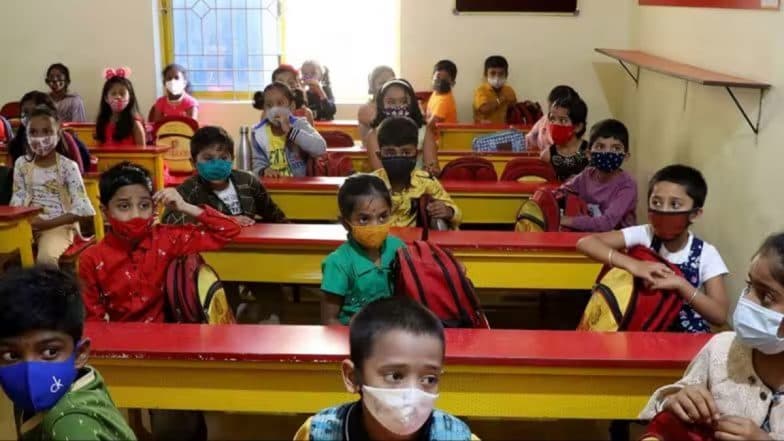
New Delhi, January 7: As a severe cold wave continues to sweep across Northern India, state governments and district administrations have announced the closure of schools or the extension of winter vacations to prioritize student safety. In major regions including Delhi, Haryana, and Uttar Pradesh, educational institutions are set to remain shut until at least January 15, 2026. The move comes as the India Meteorological Department (IMD) warns of persistent dense fog and plunging temperatures that have significantly reduced visibility and increased health risks for young children.
Delhi and Haryana: Closures Until Mid-January
In the national capital, the Delhi Directorate of Education (DoE) confirmed that winter vacations for all government and private recognized schools are being observed from January 1 to January 15, 2026. Similarly, the Haryana government has issued a state-wide directive for all schools to remain closed during this period, with classes scheduled to resume on January 16. These blanket closures are part of a pre-planned academic calendar designed to protect students from the peak of the winter chill. Jaipur Weather Forecast: Winter Chill Continues As IMD Predicts Severe ‘Cold Day’ Conditions To Persist.
Uttar Pradesh: District-Specific Directives
The situation in Uttar Pradesh varies by region as local magistrates assess weather severity at the district level:
-
Noida and Ghaziabad: Authorities have ordered the closure of all schools up to Class 8 until January 10 due to dense fog and harsh conditions.
-
Lucknow: The district administration has suspended classes for students up to Class 8 until January 8, 2026.
-
Wider State Extension: In several other districts, the closure for primary and middle school students has been extended until January 15, aligning with the broader regional trend to shield children from the early morning chill.
The Role of Winter Weather in School Holidays
Schools typically announce these holidays or extensions based on "Cold Wave" alerts from the IMD. A cold wave is declared when the minimum temperature drops significantly below the normal range, posing risks of hypothermia and respiratory issues, particularly for younger children whose bodies lose heat faster than adults. Dense fog also plays a critical role. During peak winter, visibility in North India often drops below 50 meters. By closing schools, authorities aim to prevent road accidents during the morning commute and reduce children's prolonged exposure to biting winds. Bengaluru Weather Forecast: IMD Predicts Foggy Mornings and Weekend Rain, Check Details.
Ensuring Academic Continuity
While physical classes are suspended, many education departments have encouraged schools to pivot to online learning or provide home assignments. This hybrid approach ensures that the academic session remains on track without compromising the health and safety of students during the harshest weeks of the year.
(The above story first appeared on LatestLY on Jan 07, 2026 06:02 PM IST. For more news and updates on politics, world, sports, entertainment and lifestyle, log on to our website latestly.com).