Hantavirus Outbreak on Cruise Ship: MV Hondius Passengers Could Face up to 8 Weeks in Quarantine
Passengers aboard MV Hondius face quarantine of up to eight weeks after a hantavirus outbreak killed three and infected several others. Experts warn prolonged isolation is needed to prevent spread, while investigations continue into the source. Authorities are exploring docking options as strict quarantine measures remain in place onboard the ship.

Passengers stranded aboard the cruise ship MV Hondius could face quarantine lasting up to eight weeks after a deadly hantavirus outbreak, health experts warned. The outbreak has resulted in three deaths and at least seven infections, prompting urgent containment efforts as the vessel remains under isolation protocols.
The World Health Organization (WHO) said medical teams have boarded the ship, which is anchored off Cape Verde, to treat infected crew members and assess symptomatic passengers. Authorities are continuing efforts to determine the source and prevent further spread. Hantavirus Outbreak on Cruise Ship: WHO Flags Possible Human-to-Human Transmission.
Hantavirus Outbreak on Cruise Ship: Quarantine Concerns and Health Risks
“I’m sure people are isolated or quarantined in their rooms or cabins, but unfortunately, that quarantine period can take up to eight weeks,” New Jersey-based emergency medicine physician Sampson Davis told New York Post. “The virus usually has a quick onset, but it can linger up to about eight weeks before it has an impact.”
Experts noted that the Andes strain of hantavirus, which can spread between humans, may be responsible. The strain carries a mortality rate of about 40% and is typically found in parts of Chile and Argentina. Hantavirus Outbreak on Cruise Ship: How Could the Transmission Event Have Happened?
Investigation Into Source of Infection
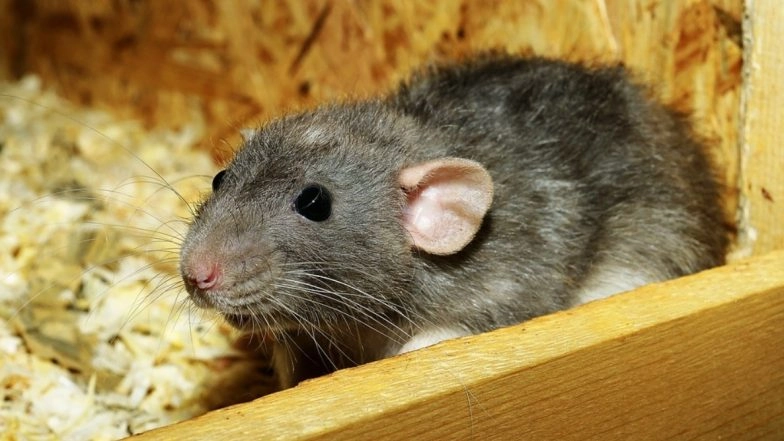
Hantavirus is usually transmitted through rodent droppings, but no evidence of rodents has been found onboard the vessel, raising concerns about human-to-human transmission.
“There has to be some sort of commonality that took place with these individuals,” Davis said, as investigators work to identify links between infected passengers.
Symptoms and Medical Response
Doctors warned that while early symptoms resemble flu-like illness, the virus can quickly escalate.
“It can very rapidly affect the heart and lungs and cause a fatal type of pneumonia” or respiratory distress, said Todd Ellerin. “Basically, the lungs can get filled up with fluid.” Medical teams are focusing on supportive care, as there is no specific cure for hantavirus.
Efforts to move passengers into land-based quarantine facilities remain uncertain. Cape Verde authorities denied the ship entry, while the WHO said the vessel had been granted permission to dock in Spain’s Canary Islands, though confirmation from Spanish officials is still pending.
“The challenge we have right now is that those who are not positive, may become positive … because you could be negative today and convert tomorrow,” Davis said, recommending daily testing during quarantine periods ranging from two to eight weeks.
Passengers remain under strict isolation measures onboard. According to reports, meals are being delivered to cabins, though limited access to outdoor decks is permitted. “Oceanwide Expeditions and the crew have been doing everything within their ability to keep passengers safe, informed, and as comfortable as possible during this time,” passenger Jake Rosmarin said.
“There’s going to be a lot of anxiety,” Ellerin said. “They have to really be feeling the stress and anguish,” Davis added, noting that relocation to land facilities could help ease mental distress.
Despite the severity of the outbreak, experts said the risk of widespread transmission remains low. “This is absolutely not going to become the next pandemic. This is not something that the general population has to be concerned about,” Ellerin said.
Davis cautioned that the incident should serve as a warning for cruise operators, while cruise journalist David Yeskel downplayed long-term impact. “It shouldn’t have a lasting effect on bookings, since modern cruise ships adhere to hygiene standards that exceed those of land-based resorts,” Yeskel said.
(The above story first appeared on LatestLY on May 06, 2026 04:18 PM IST. For more news and updates on politics, world, sports, entertainment and lifestyle, log on to our website latestly.com).