Ayatollah Ali Khamenei Death News: Will it Stop the Israel Iran War or Start WW3?
Breaking: Iran confirms Ayatollah Khamenei death news. Analyze the 'Dead Man's Switch,' IRGC retaliation, and the real risks of World War III (WW3) in this in-depth report. The death of a Supreme Leader during an active war is almost unprecedented. While the Western Coalition gambles that decapitating the leadership will end the threat.

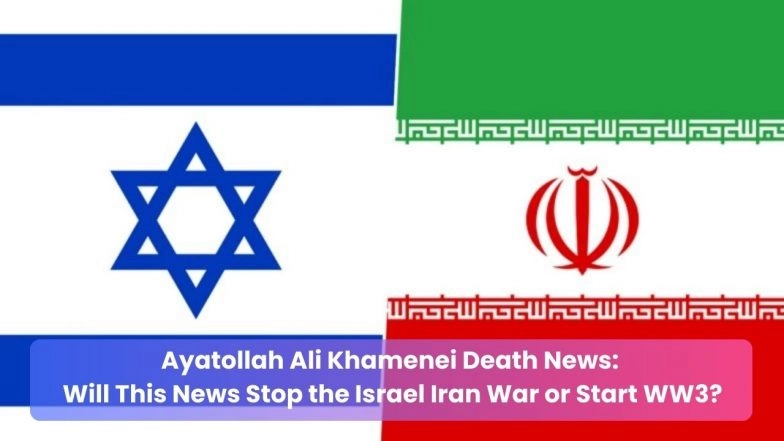
TEHRAN / WASHINGTON D.C.: As of the morning of Sunday, March 1, 2026, the Middle East has entered uncharted and terrifying territory. The official confirmation of Ayatollah Ali Khamenei’s death, following targeted joint U.S.-Israeli strikes on his Tehran compound, has shifted the regional conflict from a contained battle to a struggle for the very survival of the Iranian state. While the Western Coalition describes this as the "single greatest chance" for Iranian liberation, the immediate reality on the ground is a volatile surge in military activity that many fear is the opening salvo of World War III (WW3). Read More: Ayatollah Ali Khamenei Dies: Iranian Government Announces 40-Day Mourning Period After Death of Iran’s Supreme Leader in US-Israel Airstrikes.
The question now haunting global capitals: Does the death of the Supreme Leader stop the war, or does it activate a "Dead Man’s Switch" that leads to World War III (WW3)?
Scenario 1: Escalation and the "Dead Man’s Switch" to WW3
There is an extremely high risk that the war will become more aggressive in the short term. Khamenei was the "super-glue" of the Iranian system; without his central authority, the most hardline elements of the Islamic Revolutionary Guard Corps (IRGC) have seized operational control.
Operation True Promise 4: Since the news broke, the IRGC has launched a fourth, more devastating wave of strikes. For the first time, these missiles have specifically targeted the Israeli Defence Ministry in Tel Aviv and the Haifa Port warship docks. Read More: Iran-Israel War: Which Country is On Which Side? Is it Heading to WW3?
Decentralised Command: Intelligence reports indicate Khamenei established a "decapitation protocol." Local commanders now have the authority to strike Western interests without waiting for orders from Tehran. This "unpredictability" is a primary catalyst for a World War III (WW3) scenario.
Targeting Global Assets: Iran has officially declared all U.S. regional bases as "legitimate targets," resulting in drone and missile debris falling on Dubai's Burj Al Arab and Zayed International Airport in Abu Dhabi, where at least one fatality has been confirmed. Read More: Ayatollah Ali Khamenei Dies: After Iran’s Supreme Leader’s Death, Islamic Revolutionary Guard Corps Vows ‘Most Ferocious Offensive’ Against US and Israel.
Scenario 2: Internal Collapse and the Search for a Successor
Conversely, the death of a figure who held absolute power for 37 years creates a massive power vacuum that could lead to the collapse of the regime's war effort from within.
The Transitional Leadership Council: Under Iran's constitution, a three-person committee, President Masoud Pezeshkian, Judiciary Chief Mohseni Ejei, and a member of the Guardian Council has taken over. If this council prioritizes institutional survival, they may seek a back-channel ceasefire via Oman.
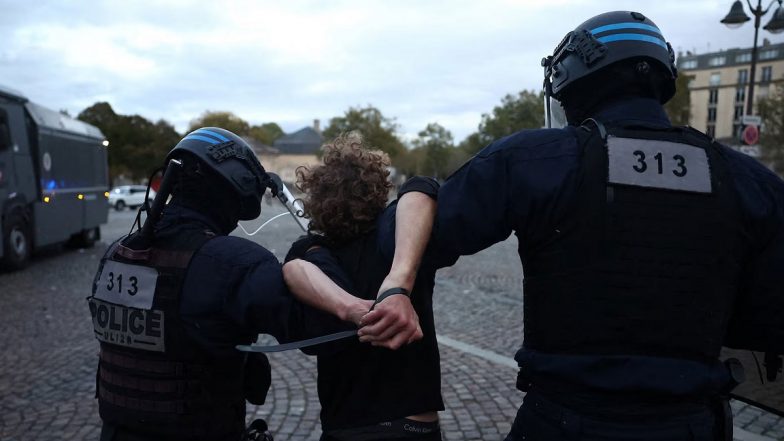
Public Uprisings: Verified footage shows groups in Tehran toppling statues of Khamenei and honking car horns in celebration. If the IRGC must turn its guns inward to suppress its own citizens, its ability to sustain an external war against the U.S. and Israel will vanish.
Succession Crisis: Names like Mojtaba Khamenei (the late leader's son) are being discussed, but the lack of a clear, religiously sanctioned successor could lead to a civil war within the Iranian military itself. Read More: Ayatollah Ali Khamenei Family Tree: Meet the Heirs and Dissidents of Iran’s Supreme Leader As Mojtaba Khamenei Likely To Succeed His Father.
Comparative Outlook: War vs. Peace (World War III Risks)
| Factor | Likelihood of Aggression | Likelihood of De-escalation |
| IRGC Influence | Very High: Hardliners feel they must strike back harder to ensure regime survival. | Low: They view any ceasefire as a total surrender. |
| Public Sentiment | Low: Civil unrest could distract the military from external targets. | High: A transition of power is the best "window" for the people to demand an end to the war. |
| US/Israel Strategy | High: President Trump has stated the goal is "regime change," suggesting strikes will continue. | Moderate: If a credible moderate successor emerges, the West may offer a pause. |
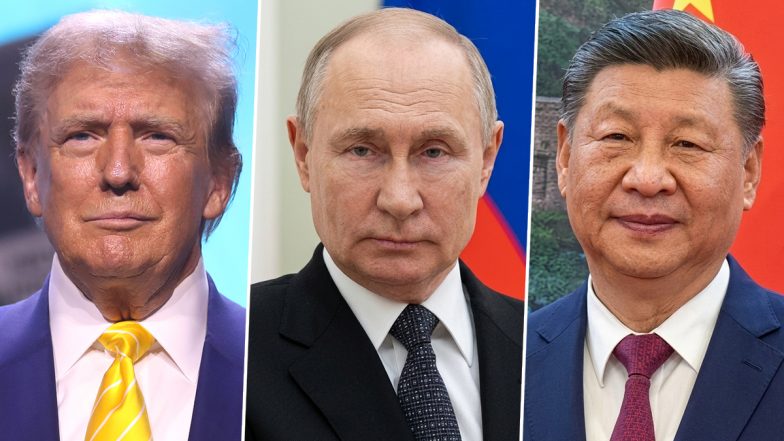
The death of a Supreme Leader during an active war is almost unprecedented. While the Western Coalition gambles that decapitating the leadership will end the threat, the immediate result is a highly dangerous period of regional instability. The risk of a World War III (WW3) scenario remains critical; if Iran's decentralised retaliatory strikes cause massive U.S. casualties in the Gulf, a full-scale ground invasion and the subsequent intervention of Russia or China may become inevitable.
(The above story first appeared on LatestLY on Mar 01, 2026 10:49 AM IST. For more news and updates on politics, world, sports, entertainment and lifestyle, log on to our website latestly.com).