













 Quickly
 Socially
 Trending
 Crypto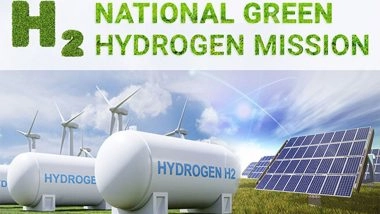
New Delhi [India], December 14 (ANI): India's hydrogen demand is poised to double to nearly 12 million tonnes per annum (mtpa) by 2030, according to a Nuvama Institutional Equities report. The expected rise comes mainly from fertiliser, refining and petrochemical sectors.
The report says that fertilisers will make up more than half of this demand, reaching about 6.1 mtpa by 2030, while refineries may need about 4.5 mtpa. Petrochemicals could add another 1.3 mtpa as new capacity comes up. "GH2 (green hydrogen) uptake in steel, long-haul heavy-duty transportation, shipping and power could emerge as GH2 consuming sectors in the long term," the report said.
Also Read | West Bengal: 2 Die by Suicide in Malda Amid Alleged Fear Over SIR Process.
India is trying to build this future through the National Green Hydrogen Mission, which is the main policy guide for creating green hydrogen infrastructure. The mission has an outlay of about Rs 197 billion. Most of this money is linked to the SIGHT scheme, which supports green hydrogen production, consumption and electrolyser manufacturing. "Pilot projects, R&D and other mission components provide additional foundational support," the report notes.
Since the launch of India's green hydrogen policy in 2022 and the Mission in early 2023, 13 states have designed their own support plans. These include waivers on power transmission, subsidies, interest support, training programmes, and help with land and state taxes. Together, central and state measures may create a support pool of almost USD 61 billion. The report says this window of policy support creates a strong opportunity for industry participation.
Also Read | Punjab: BJP Leader Sheetal Angural's Nephew Vikas Angural Stabbed to Death in Jalandhar; Police Probe On.
Even with this push, cost remains the main barrier. Green hydrogen today costs USD 3.5-4 per kg, while grey hydrogen costs about USD 2.2 per kg. According to the report, policy steps and market improvements may cut green hydrogen costs by up to USD 1.9 per kg. Waivers on power banking and open access charges alone could reduce nearly one-fourth of the cost, followed by cheaper electrolysers and lower renewable energy prices.
India also faces competition in exporting green ammonia. Recent tender prices of USD 594-774 per tonne show better commercial promise compared with past grey ammonia prices. But the report explains that India's lower solar and wind power costs are offset by higher financing costs and lower plant load factors, making competitiveness a challenge.
On the technology side, the report says electrolyser stack costs can fall by up to 75 per cent through innovation, material changes and domestic manufacturing. As much as 88 per cent of the supply chain can be made in India, helping reduce import dependence.
The report notes that sectors such as steel, heavy transport, shipping and power may adopt green hydrogen beyond 2030, but today's focus remains on lowering costs and building the base for future demand. (ANI)
(The above story is verified and authored by ANI staff, ANI is South Asia's leading multimedia news agency with over 100 bureaus in India, South Asia and across the globe. ANI brings the latest news on Politics and Current Affairs in India & around the World, Sports, Health, Fitness, Entertainment, & News. The views appearing in the above post do not reflect the opinions of LatestLY)
 Share Now
 Google Trends



 Live Bot