











 Quickly
 Socially
 Trending
 Crypto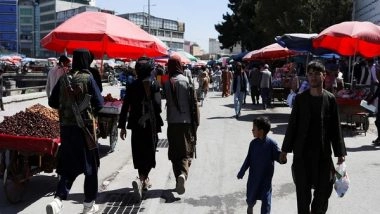
Kabul [Afghanistan], November 21 (ANI): The UN humanitarians have warned that "Catastrophic and famine-like conditions" hang over Afghanistan's farmers and herders whose needs continue to worsen with the onset of winter.
The Food and Agricultural Organization (FAO) explained that humanitarian access has never been better, prices are soaring and the needs of Afghans continue to outpace the resources.
"The situation is disastrous. Every farmer we've spoken to has lost almost all of their crops this year, many were forced to sell their livestock, they have accumulated enormous debts and simply have no money," said Richard Trenchard, FAO Representative in Afghanistan.
"No farmer wants to leave their land. But when you have no food, you have no grain from the previous harvest, there are no seeds in the fields and your livestock are gone, you have no choice."
According to the UN agency, 18.8 million Afghans are unable to feed themselves every day, and that this number is set to rise to nearly 23 million by the end of the year.
The UN News reported that nine in 10 major urban centres are expected to face extreme hardship, as debts pile up and savings dwindle.
The FAO warned that this situation will create a very real famine risk in 2022, unless immediate large-scale support to protect these people and their livelihoods arrive very soon.
"What's needed now obviously is to get them seeds, get them fertiliser and food assistance that the World Food Programme is providing...but also, it's cash," Trenchard insisted.
The situation is dire because agriculture is the backbone of Afghan livelihoods and critical for Afghanistan's economy. According to FAO, around 70 per cent of Afghans live in rural areas and an estimated 80 per cent of all livelihoods depend on farming or herding.
Trenchard said that widespread drought had left families with nothing to eat during the current lean season, after harvests were down 80 to 90 per cent. He called for a massive increase in humanitarian assistance, after seeing for himself the scale of suffering on the streets of rural Heart.
"The only food they have is food that people give them as they pass by, et cetera. It's cold there, it's a tough, tough situation and what terrifies me is if those rural livelihoods collapse, we'll see massive displacement." (ANI)
(The above story is verified and authored by ANI staff, ANI is South Asia's leading multimedia news agency with over 100 bureaus in India, South Asia and across the globe. ANI brings the latest news on Politics and Current Affairs in India & around the World, Sports, Health, Fitness, Entertainment, & News. The views appearing in the above post do not reflect the opinions of LatestLY)
 Share Now
 Google Trends



 Live Bot