How To Choose the Right Credit Card for Big Purchases in 2026
Credit cards are increasingly becoming the preferred payment method for big purchases in 2026.

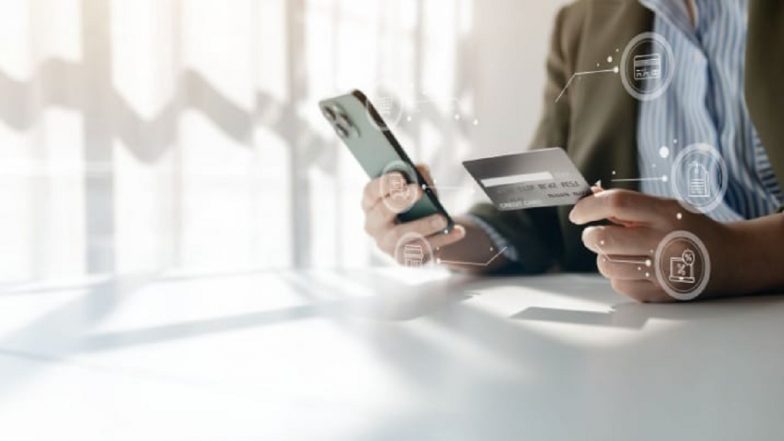
Credit cards are increasingly becoming the preferred payment method for big purchases in 2026. The Indian economy is rapidly being fuelled by credit card transactions, pegged at $20.1 billion in 2025, and expected to hit $38.3 billion by 2034 at an impressive 7.41% CAGR. Not only that, but the country’s spending momentum is also at an all-time high: Point of Sales transactions grew by 12%, while e-commerce spending rose by 14% in 2025, and only trending higher. Let’s look at it in further detail.
How to Choose a Credit Card That Works for You
With the wide range of credit cards available in the market currently, it can be difficult to narrow down one or a few that suit your needs. Begin by comparing the issuers on some basic numbers: APR, cashback or reward points, or maintenance and other fees. Also consider features that match your spending behaviour: zero-cost EMI, LTF, or low-interest cards.
Select banks, such as IDFC FIRST Bank, offer free credit card EMI calculators on their websites. These tools help you see the real cost of a purchase and plan your finances. Once you choose a card, you can estimate your future payments. IDFC FIRST Bank credit cards also come with benefits like reward points that never expire, lifetime-free credit card variants, cashback, lounge access, travel perks, and competitive interest rates. These features make them a strong choice for both daily use and lifestyle spending.
Identify Spending Patterns Before You Make the Purchase
Begin by assessing the types of purchases you intend to make with the card to prioritise the benefits that suit you best. These could include loyalty rewards, collected points, or cashback, sorted by categories such as electronics, furniture, or other high-ticket items. Here are 3 methods to maximise the benefits you can get from your cards:
- Choose lifestyle-based cards: Choose cards that provide offers on specific categories and align them with your purchase needs.
- Utilize EMI calculator: Use credit card EMI calculator to estimate instalments and manage your limit and credit utilisation efficiently.
- Consider forex cards: Use low or zero forex fee cards for overseas purchases, since add-on costs can add 1-3% to your purchase value
Should EMI Facility Be a Key Factor When Choosing a Credit Card?
When choosing a credit card, see if it has a flexible EMI option. This can be helpful for bigger purchases, as EMIs allow you to split large costs into monthly payments, usually for 3 to 24 months. If you use EMIs, choose the shortest repayment period to keep extra costs down. If you are offered a No-cost EMI plan, consider taking it, since you only pay the principal as long as you pay on time. However, if you can pay the full amount during the interest-free period, which is usually 30 to 45 days, making a full purchase might be easier and save you money.
Final Thoughts on Choosing the Right Credit Card
In 2026, choosing the right credit card depends on understanding core features such as reward points, cashback, interest rates, fee structures, benefits and EMI flexibility. Aim for cards that levy lower interest, provide no- or low-cost EMIs, and ensure your benefits are aligned with the category of product you are purchasing.
You can explore credit card variants offered by IDFC FIRST Bank. Most IDFC FIRST Bank credit cards let you earn reward points on your daily purchases, making them suitable for a wide range of purchases. While some cards offer cashback, most focus on reward points, lifestyle perks, and travel benefits. So, you can pick a credit card that matches your spending habits to get the most value.
(All articles published here are Syndicated/Partnered/Sponsored feed, LatestLY Staff may not have modified or edited the content body. The views and facts appearing in the articles do not reflect the opinions of LatestLY, also LatestLY does not assume any responsibility or liability for the same.)