Assembly Elections 2026: What Is the Model Code of Conduct and How Does It Work?
The Model Code of Conduct is now in effect for the 2026 Assembly Elections. The ECI guidelines bar governments from announcing new projects and restrict candidates from using religious appeals. The MCC ensures a fair playing field in West Bengal, Tamil Nadu, Assam, and Kerala until the May 4 results are declared. The Model Code of Conduct was first introduced during the Kerala Assembly elections in 1960 and was later adopted by the ECI for the 1962 General Elections.

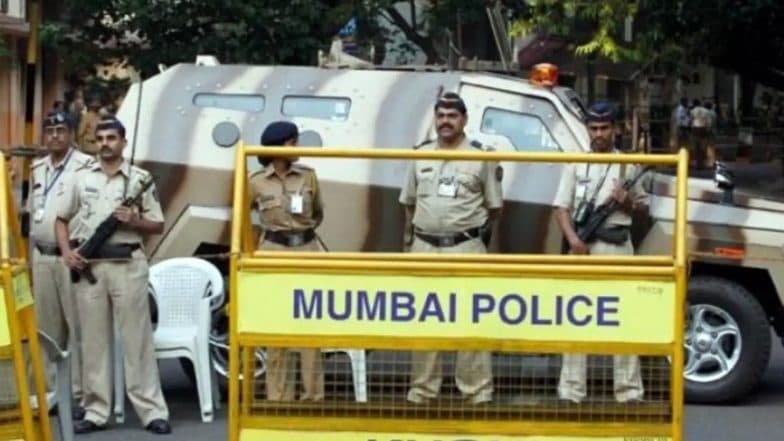
Mumbai, March 15: Following the announcement of the 2026 Assembly Election schedules for West Bengal, Tamil Nadu, Assam, Kerala, and Puducherry, the Election Commission of India (ECI) has officially enforced the Model Code of Conduct (MCC). Effective immediately as of Sunday, March 15, the MCC is a set of guidelines designed to ensure free and fair elections by regulating the conduct of political parties and candidates. The code will remain in force until the completion of the electoral process on May 6, across all poll-bound states and union territories.
The MCC serves as a level playing field, primarily preventing the party in power at both the Center and the State levels from using government machinery or discretionary funds to influence voters. While the code does not have statutory backing, meaning it is not a law passed by Parliament, the Supreme Court has upheld its enforceability, and the ECI has the power to issue notices, censure candidates, or even cancel polling in cases of severe violations. Assembly Elections 2026 Date Announcement: ECI Unveils Poll Schedule for Assam, Tamil Nadu, West Bengal, Kerala and Puducherry; Voting to Begin April 9.
What Is Model Code of Conduct (MCC)?
The Model Code of Conduct (MCC) is a set of consensus-based guidelines issued by the Election Commission of India to regulate the behavior of political parties and candidates during the election cycle. It comes into force immediately upon the announcement of the election schedule and remains active until the results are declared.
The primary objective of the MCC is to ensure a "level playing field" by preventing the party in power from using government machinery, funds, or official positions to gain an unfair electoral advantage. It mandates standards for general conduct, the scheduling of meetings and processions, behavior on polling day, and specifically prohibits the government from announcing new projects or financial grants that could influence voter behaviour. Assembly Elections 2026 Date Announcement Live Streaming: Watch Election Commission’s Press Conference on Poll Schedule for West Bengal, Tamil Nadu, Kerala, Assam and Puducherry.
Restrictions on Government Actions
Once the MCC is in force, ministers and other government authorities are strictly prohibited from announcing new financial grants, laying foundation stones for projects, or making promises of new public facilities. These rules are designed to prevent "electoral bribery" through policy.
Government transport, including official aircraft and vehicles, cannot be used for electioneering. Furthermore, the "achievements" of the government cannot be advertised at the cost of the public exchequer in print or electronic media during this period.
Guidelines for Political Rallies and Speeches
The MCC dictates that political parties must inform local police authorities of the venue and time of any proposed meeting in advance. This allows security forces to make arrangements for traffic control and maintain public order, especially when rival parties hold rallies in close proximity.
Candidates are prohibited from making speeches that appeal to caste or communal feelings to secure votes. Criticism of opponents must be limited to their policies and past work; personal attacks or comments on the private lives of candidates are considered a violation of the code.
Rules for Polling Day Conduct
On the day of the election, all political parties must cooperate with polling officers to ensure a peaceful atmosphere. No posters, flags, or symbols may be displayed within the 100-meter perimeter of a polling station.
The ECI also mandates that "identity slips" provided to voters by parties must be on plain white paper and should not contain the name of the candidate or the party symbol. This ensures that the voter's choice remains confidential and free from last-minute influence.
The Model Code of Conduct was first introduced during the Kerala Assembly elections in 1960 and was later adopted by the ECI for the 1962 General Elections. Over decades, it has evolved through consensus among political parties to address new challenges, such as digital campaigning and social media influence.
(The above story first appeared on LatestLY on Mar 15, 2026 05:59 PM IST. For more news and updates on politics, world, sports, entertainment and lifestyle, log on to our website latestly.com).