Nipah Virus 2026: Symptoms, Risks, and Prevention as Major Airports Across Asia Launch Covid-Style Health Screenings for Travellers
Major airports across Asia have begun reintroducing rigorous health surveillance measures, reminiscent of the COVID-19 pandemic, following a confirmed outbreak of the Nipah virus (NiV) in India. Health authorities in countries including Thailand, Nepal, and Taiwan have intensified screening protocols for international travelers after West Bengal reported five confirmed cases.

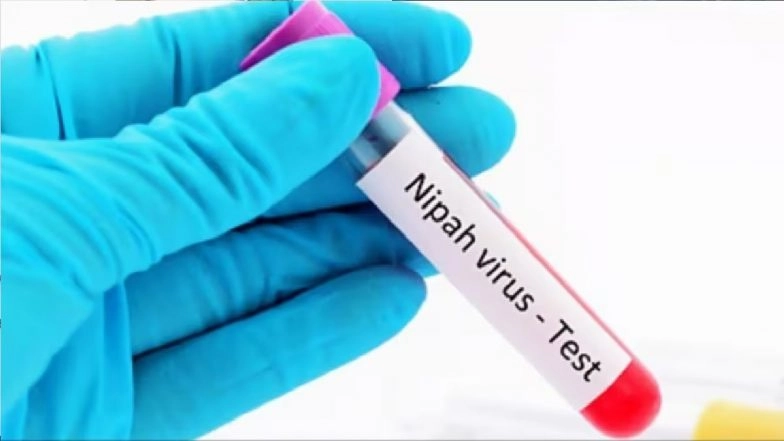
New Delhi, January 27: Major airports across Asia have begun reintroducing rigorous health surveillance measures, reminiscent of the COVID-19 pandemic, following a confirmed outbreak of the Nipah virus (NiV) in India. Health authorities in countries including Thailand, Nepal, and Taiwan have intensified screening protocols for international travelers after West Bengal reported five confirmed cases. The move comes as officials scramble to contain the spread of the zoonotic virus, which is known for its high fatality rate and potential for human-to-human transmission.
In West Bengal, the situation has prompted significant containment efforts. Nearly 100 individuals have been placed under quarantine after the virus was detected within a hospital setting. Among those who tested positive are a doctor, a nurse, and a staff member, highlighting the high risk of transmission to healthcare workers. This cluster follows two earlier cases reported in the same district, raising concerns about localized transmission. Nipah Virus Cases in West Bengal: India Intensifies Efforts To Contain New Nipah Virus Outbreak; Know Its Symptoms and Treatment.
Thailand has emerged as one of the first nations to implement strict border controls. Health authorities have deployed thermal scanners and medical teams to Suvarnabhumi, Don Mueang, and Phuket airports. Passengers arriving specifically from West Bengal are being screened for fever and respiratory distress. Additionally, travelers are being issued health advisory cards to help them monitor symptoms and seek immediate care if they fall ill.
The Nipah virus is a zoonotic pathogen primarily transmitted from animals to humans. The natural hosts of the virus are fruit bats (Pteropodidae family), but it can also infect pigs and other domestic animals. Human-to-human transmission typically occurs through close contact with the secretions or excretions of an infected person, making hospital environments particularly vulnerable.
Symptoms and Risks
The Nipah virus presents a range of clinical symptoms, often starting with non-specific "flu-like" indicators. According to health experts, the most common signs include:
-
High fever and persistent headache.
-
Muscle pain and vomiting.
-
Sore throat and respiratory issues, such as acute respiratory infection.
-
In severe cases, patients may experience disorientation, seizures, and encephalitis (inflammation of the brain), which can lead to a coma within 24 to 48 hours.
The World Health Organization (WHO) notes that the case fatality rate for Nipah is estimated at 40% to 75%, making it significantly more lethal than most respiratory viruses. What Is Nipah Virus? Symptoms, Causes, Transmission and Fatality Risk Explained.
Prevention and Safety Measures
As there is currently no specific vaccine or drug treatment for Nipah virus infection, prevention remains the primary defense. Health officials recommend several precautionary steps:
-
Avoid Contaminated Food: Do not consume fruits or fruit products (such as raw date palm juice) that may have been contaminated by bats.
-
Hygiene Practices: Regular handwashing with soap and water after contact with sick people or animals.
-
Protective Gear: Healthcare workers should use personal protective equipment (PPE) when treating suspected cases.
-
Physical Distancing: Avoiding close contact with infected individuals and maintaining distance in high-risk areas.
Regional health organizations continue to monitor the situation closely, with more countries expected to announce travel advisories if the case count continues to rise.
(The above story first appeared on LatestLY on Jan 27, 2026 03:30 PM IST. For more news and updates on politics, world, sports, entertainment and lifestyle, log on to our website latestly.com).