Lohri 2026 Date, Lohri Sankranti Muhurat, History and Cultural Significance
In 2026, Lohri will be celebrated on Tuesday, 13 January. The festival's timing is traditionally linked to the solar calendar, falling a day before Makar Sankranti. The Lohri Sankranti Muhurat for 2026 is around 03:13 PM on January 14, 2026. An in-depth look at Lohri 2026, covering its date, auspicious timings, historical background and profound cultural significance.

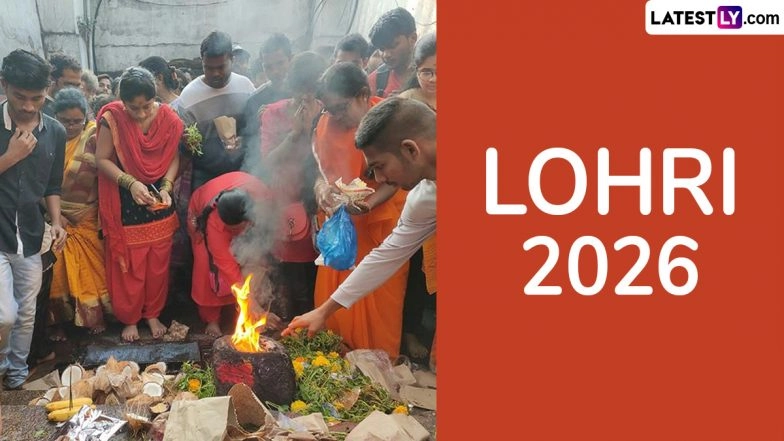
New Delhi, January 12: Lohri, the vibrant harvest festival predominantly celebrated in Northern India, particularly Punjab, Haryana, and Himachal Pradesh, is set to bring warmth and festivity in 2026. Marking the end of the winter solstice and the beginning of longer days, the festival is a joyous occasion for communities to gather, light bonfires, and offer prayers for a bountiful harvest. As preparations begin, understanding the precise date, auspicious timings, and the rich history behind this cultural cornerstone is essential for devotees and observers alike.
Lohri 2026: Date and Shubh Muhurat Timings
In 2026, Lohri will be celebrated on Tuesday, 13 January. The festival's timing is traditionally linked to the solar calendar, falling a day before Makar Sankranti. The auspicious Shubh Muhurat or propitious time for the Lohri bonfire and rituals is crucial for those observing the traditions. While specific timings can vary slightly based on regional calendars, the evening hours of January 13th are generally considered ideal for lighting the bonfire and commencing the festivities. The Lohri Sankranti Muhurat for 2026 is around 03:13 PM on January 14, 2026, according to Drik Panchang.
Historical Roots and Cultural Significance of Lohri Festival
The history of Lohri is deeply intertwined with agricultural cycles and ancient traditions. It is believed to have originated as a winter harvest festival, celebrating the ripening of rabi crops. The term "Lohri" itself is thought to have several derivations, including connections to "loh" (the warmth of fire) or "tilohri" (a combination of 'til' or sesame and 'rorhi' or jaggery). The festival holds particular significance for farmers, symbolising gratitude for nature's bounty and invoking blessings for future prosperity. It is also a significant cultural event for newlyweds and new mothers, who are often central to the celebrations, receiving blessings and gifts.
Lohri Celebrations and Traditions
Lohri celebrations are characterised by several distinct traditions. The lighting of a grand bonfire is central to the festivities, around which people gather to sing traditional folk songs, dance to the beats of the dhol, and offer prayers. Offerings of popcorn, peanuts, sesame seeds (til), jaggery (gachak), and mustard greens (sarson ka saag) are thrown into the fire, symbolising the offering of the first harvest to the gods of fire and sun. Children often go door-to-door singing traditional Lohri songs and collecting treats. The evening culminates in a communal feast, reinforcing community bonds and shared joy.
Lohri 2026 continues a centuries-old tradition of warmth, community, and gratitude. Beyond its religious and agricultural roots, the festival serves as a vital cultural touchstone, bringing families and communities together to celebrate the end of winter and the promise of new beginnings. As bonfires illuminate the night sky on January 13th, the spirit of Lohri will once again foster unity and hope across Northern India.
(The above story first appeared on LatestLY on Jan 12, 2026 10:59 AM IST. For more news and updates on politics, world, sports, entertainment and lifestyle, log on to our website latestly.com).