Solar Eclipse 2025 Date and Time in India: Can You Have Sex During Surya Grahan? Exploring the Myths and Superstitions vs Reality Around Partial Solar Eclipse
Legends around solar eclipses often involve mythical figures eating or stealing the sun, while some also interpret the event as a sign of angry or quarrelling gods. The legends inspire several myths and superstitions that exist today. A popular misconception is that solar eclipses can bring danger to pregnant women and their unborn children.

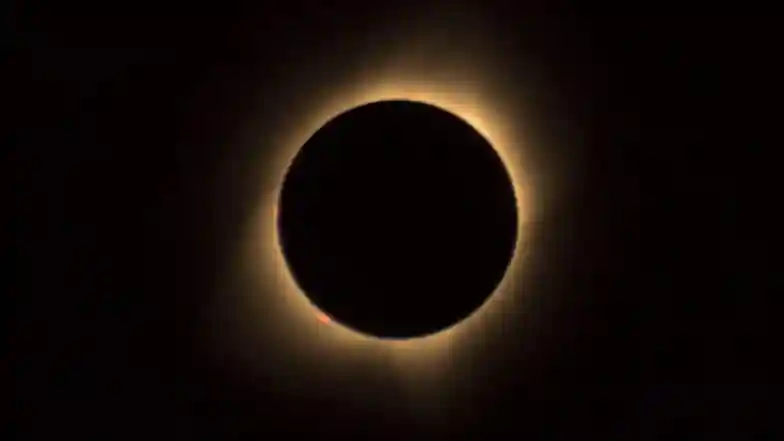
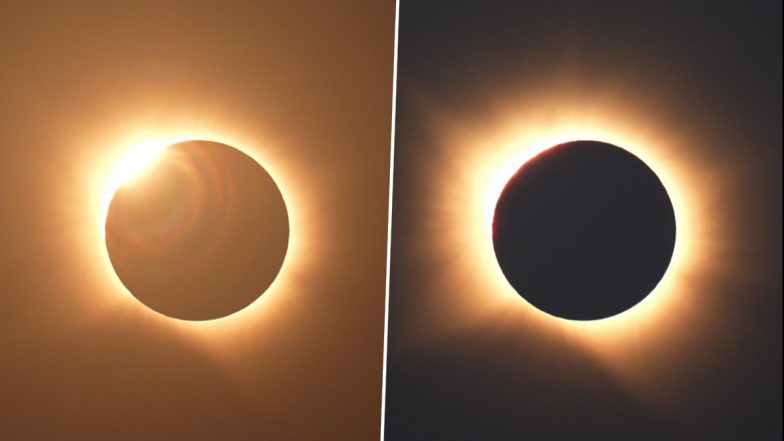
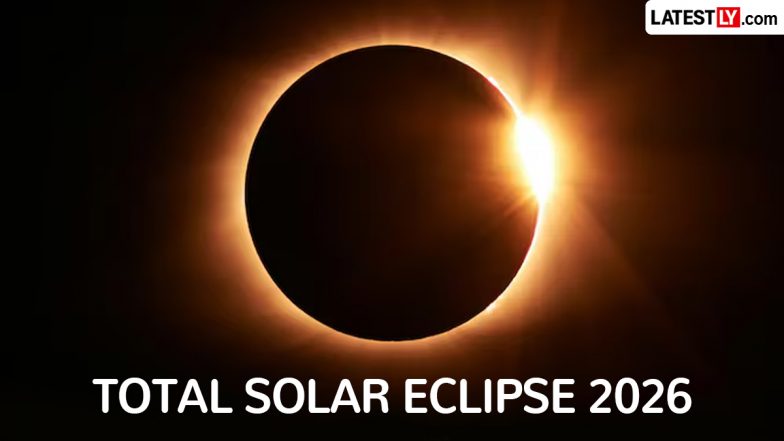
The final solar eclipse of 2025 is a partial solar eclipse, visible only in the southern hemisphere. Surya Grahan 2025 is on September 21. Solar eclipses, whether total or partial, have caused fear, inspired curiosity and been associated with myths, legends and superstitions throughout history. Even today, in many cultures, an eclipse of the sun is considered a bad omen. Legends around solar eclipses often involve mythical figures eating or stealing the sun, while some also interpret the event as a sign of angry or quarrelling gods. The legends inspire several myths and superstitions that exist today. A popular misconception is that solar eclipses can bring danger to pregnant women and their unborn children. Some people also feel that engaging in different activities such as eating, sleeping or engaging in sexual intimacy during the eclipse can be harmful or deemed impure. Are these superstitions true? Do they have any factual significance? Below, let us explore the myths and superstitions vs reality that you should know about a partial solar eclipse.
Solar Eclipse 2025 Date and Time in India
The final solar eclipse of 2025 is a partial solar eclipse on September 21. However, the eclipse will only be visible from the southern hemisphere, mainly over the South Pacific Ocean, New Zealand, Antarctica and parts of southern Australia. It must be noted that the September 21 Surya Grahan is not visible in India.
Solar Eclipse Legend
According to Hindu mythology, a solar or lunar eclipse, known as grahana, occurs when the celestial gods Rahu and Ketu swallow the sun and moon, respectively. Individuals generally believe that a grahana is a bad omen and is considered the best time to chant mantras that ward against evil.
Myths and Superstitions Around Solar Eclipse
- Can you have sex during a solar eclipse? One of the common beliefs is that engaging in different activities, including sexual intercourse, is considered inauspicious. In particular, there is an ongoing debate about whether it is safe or acceptable to engage in sexual intercourse or even masturbation during Surya Grahan. However, there is no scientific evidence to suggest that physical intimacy during a solar eclipse poses any harm.
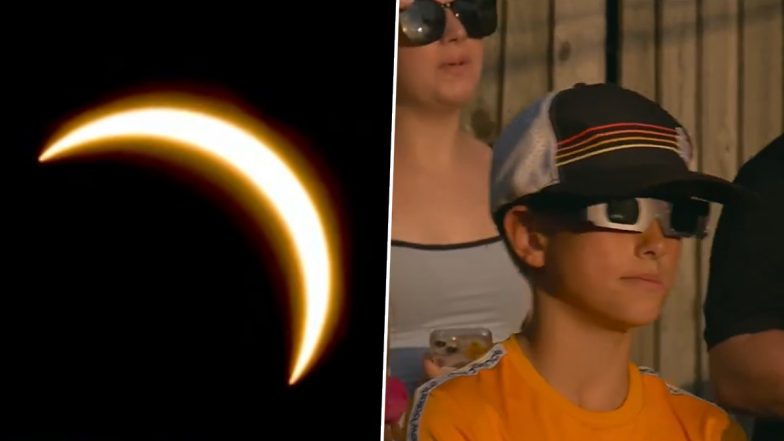
- Can a solar eclipse cause blindness? During a total solar eclipse, the sun’s corona emits electromagnetic radiation, which is harmless. But, according to NASA, looking at the sun directly during an eclipse before totality can cause retinal damage and compromise vision.
- Another popular belief that often raises questions is whether eclipses are harmful to pregnant women. They are advised not to watch an eclipse because it can cause harm to the unborn child. However, the radiation from the eclipse is safe and there is no scientific evidence to suggest that it poses a risk to the baby. In cases of fear and confusion, women can consult their gynaecologist and follow their advice for their well-being and the baby during an eclipse.
- Do eclipses poison food prepared during the event? It is often considered a superstition and the radiation produced during an eclipse does not harm food.
- Eclipses are considered bad omens – is it true? Confirmation bias and legends often lead people to associate eclipses with negative events. However, there is no scientific basis for this belief.
Psychological and spiritual factors may influence individuals’ decisions regarding the solar eclipse superstitions. People who strongly adhere to mythological beliefs might experience fear or discomfort if they partake in activities perceived as taboo during an eclipse. However, there is no scientific evidence that solar eclipses can affect human behaviour, health or the environment. Scientists do emphasise that anyone watching a solar eclipse must protect their eyes.
(The above story first appeared on LatestLY on Sep 13, 2025 11:00 AM IST. For more news and updates on politics, world, sports, entertainment and lifestyle, log on to our website latestly.com).