New Cricket Rules 2026: Mandatory Final Overs, Laminated Bats and Catching Updates Revealed by MCC
Marylebone Cricket Club (MCC) has announced the 2026 edition of the Laws of Cricket, introducing 73 amendments designed to modernise the sport. While the updates were announced on 3 February 2026, they are scheduled to formally come into effect on 1 October 2026.

The Marylebone Cricket Club (MCC), the sole custodian of the rules governing the sport, has officially unveiled a significant refresh to the Laws of Cricket. This 2026 edition, which follows the 2022 update, introduces 73 material and linguistic changes intended to make the game more inclusive, fair, and practical in the modern era.
While the updates were announced on 3 February 2026, they are scheduled to formally come into effect on 1 October 2026. This timeframe allows global governing bodies, umpires, and players to familiarise themselves with the revised regulations ahead of the new season. Why Cooper Connolly Should Have Been Not Out Despite Khawaja Nafay's Stumping.
Mandatory Completion of the Final Over
In perhaps the most consequential change for red-ball and multi-day cricket, the MCC has amended Law 12.5.2. Previously, if a wicket fell in the final over of a day’s play, "Stumps" could be called immediately, allowing the batting side to avoid sending out a new player until the following morning.
Under the new rule, the final over of the day must be completed in full, even if a wicket falls, provided weather and light conditions remain suitable. The MCC stated this change restores the "drama of the game" and prevents batting sides from gaining an unfair tactical advantage during a period where bowlers are often at their most dangerous.
Legalisation of Laminated Bats
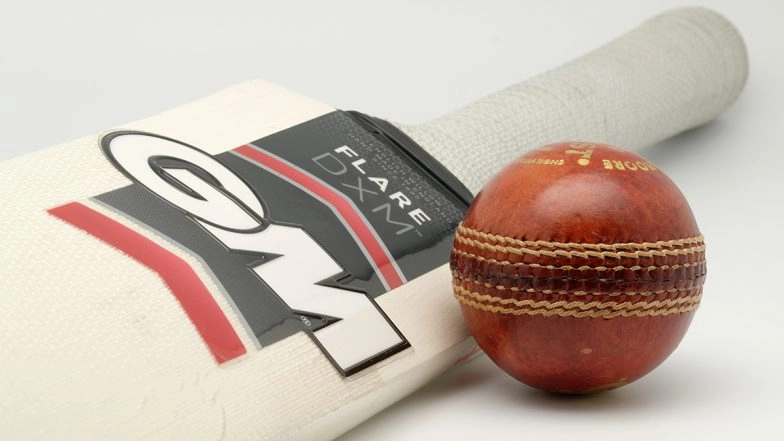
In a move aimed at addressing the rising global cost of cricket equipment, the MCC has legalised the use of laminated (Type D) bats in open-age adult cricket. Previously, these bats, constructed by bonding multiple pieces of wood rather than a single piece of willow, were restricted to junior levels.
Extensive testing by the MCC concluded that laminated bats do not offer a significant performance advantage over traditional single-piece bats. However, they allow manufacturers to utilise a wider range of willow grades, potentially making quality equipment more affordable for amateur and club cricketers. Pakistan Super 8s Chances After Boycotting Match Against India at ICC T20 World Cup 2026.
Redefining the Overthrow and Dead Ball
The 2026 code provides much-needed clarity on overthrows and when a ball is considered "finally settled."
-
Overthrows: For the first time, an overthrow is strictly defined as a deliberate attempt to hit the stumps to prevent runs or effect a run-out. Accidental deflections or misfields near the boundary will no longer be categorised as overthrows.
-
Dead Ball: The ball is now considered "finally settled" as soon as it is held by any fielder or becomes stationary. Previously, it was often interpreted that the ball had to reach the wicket-keeper or bowler to be considered dead. This gives umpires greater discretion to end play once action has realistically ceased.
Key Summary of Major MCC Law Changes (Effective 1 October 2026)
Law Area Key Change & Updated Regulation Multi-day Matches Mandatory completion: The final over of the day must now be bowled in full, even if a wicket falls. Batting sides can no longer "call stumps" to protect a new batter. Bat Specifications Laminated bats (Type D): Now legal in all open-age cricket (not just junior). These bonded-wood bats aim to reduce costs and dependence on scarce English willow. Wicket-keeper Position Relaxed movement: Keepers are no longer penalised for positioning during the run-up. They must only be "wholly behind the stumps" at the point of ball release. Hit Wicket Extended vulnerability: A batter is out if they hit the stumps while regaining balance after a shot. They are only safe if the contact is caused by a fielder. Dead Ball Settled definition: Umpires can call the ball dead once it is stationary or securely held by any fielder, not just the bowler or wicket-keeper. Boundary Catches No "bunny hopping": Airborne fielders jumping from outside the rope can only touch the ball once. They must land inside the boundary to complete the catch legally. Overthrows New definition: Formally defined as a deliberate attempt to hit the stumps to stop runs. Accidental deflections or misfields no longer count as overthrows. Ball Standards Standardised sizes: Introduction of three clear categories, Size 1 (Men), Size 2 (Women), and Size 3 (Junior), with uniform weight and size tolerances. Strategic Strike Fielding Captain's choice: In cases of deliberate short running or obstruction, the fielding captain now decides which batter takes the strike for the next ball. The MCC has concluded its effort to remove gendered language from the Laws, ensuring the text is inclusive of all participants. Additionally, new standards have been set for cricket balls used in women’s and junior matches.
The balls will now be classified as Size 1, Size 2, and Size 3, with uniform tolerances across all manufacturers. This replaces a system where tolerances for women's and junior balls were wider than those for men, often leading to inconsistent equipment quality.
(The above story first appeared on LatestLY on Feb 04, 2026 11:31 AM IST. For more news and updates on politics, world, sports, entertainment and lifestyle, log on to our website latestly.com).