Perseid Meteor Shower 2025 Kick Starts Summer’s ‘Shooting Star’ Season: When and How To Watch July Meteor Shower? Here’s All You Need To Know About the Celestial Event
As the Perseid meteor shower 2025 kicks off the summer’s shooting star season, we bring you the details on where and how to watch the July meteor shower and other essential details so you can enjoy the dazzling display. The meteor shower is so prolific it's worth attempting to catch a glimpse as it delivers up to 100 shooting stars each hour.

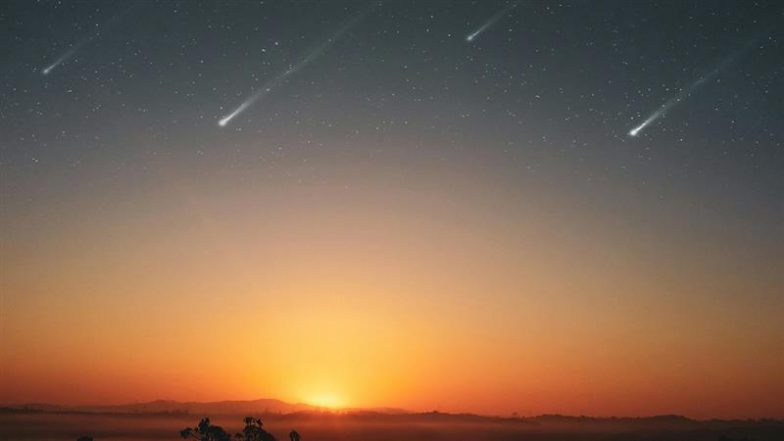
One of the most celestial displays of the year, the meteor shower season is here and astronomy enthusiasts are looking forward to the peak hours. 2025 promises an exciting lineup. Among the most prolific meteor showers are the Perseids, Geminids, and Orionids. The Perseids are a fan favourite. Knowing the best time, location, and viewing conditions is key to catching the dazzling celestial events. As the Perseid meteor shower 2025 kicks off the summer’s shooting star season, we bring you the details on where and how to watch the July meteor shower and other essential details so you can enjoy the dazzling display. The meteor shower is so prolific it's worth attempting to catch a glimpse as it further delivers up to 100 shooting stars each hour. Know Full Moon Dates, Poornima Significance and Fasting Rituals for the Auspicious Observance.
Perseid Meteor Shower 2025 Dates
The Perseid Meteor Shower happens each year between mid-July and late August. Following a nearly two-month ‘shooting stars’ drought, the Perseids are set to become active in July. The Perseid meteor shower 2025 is expected to become active from July 17 and remain so until August 23.
Why Is It Called the Perseid Meteor Shower?
The Perseid meteor shower is named for the constellation Perseus, from which the meteors appear to originate. While they are not actually coming from the stars of Perseus, they happen when the Earth passes through a cloud of dust left behind Comet Swift-Tuttle. The stream of debris is called the Perseid cloud.
When and How To Watch the July Meteor Shower?
The Perseids are best viewed in the Northern Hemisphere. Once the sun sets and the moon is below the horizon, spectators will have to contend with local light pollution that could interfere with the number of meteors they can see. However, according to NASA, the Perseids are best viewed during the dark hours between midnight and dawn.
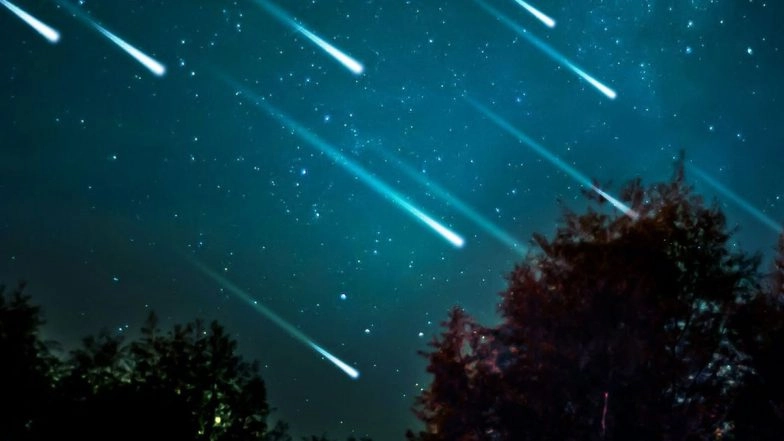
A meteor shower is a spectacular celestial event in which small particles from space, typically fragments of comets or asteroids, enter Earth’s atmosphere and burn up, producing a series of bright streaks of light on the sky. These particles are called meteors or shooting stars, although they aren’t stars at all.
(The above story first appeared on LatestLY on Jul 17, 2025 09:40 AM IST. For more news and updates on politics, world, sports, entertainment and lifestyle, log on to our website latestly.com).