WhatsApp SIM-Binding: Centre Informs Supreme Court of New Measures To Curb Digital Arrest Scams and Enhance User Safety
The Centre informed the Supreme Court that SIM-binding for WhatsApp is being implemented to combat digital arrest scams. By linking OTT accounts to verified SIMs, the DoT aims to reduce impersonation fraud. The move follows a suo motu case involving the theft of INR 15 million from a senior couple.


Mumbai, February 10: The Department of Telecommunications (DoT) has informed the Supreme Court of India that it has issued directions to implement SIM-binding for Over-the-Top (OTT) platforms like WhatsApp. The move is part of a broader strategy to mitigate the rising frequency of "digital arrest" scams, where fraudsters impersonate law enforcement officials to extort money from unsuspecting citizens.
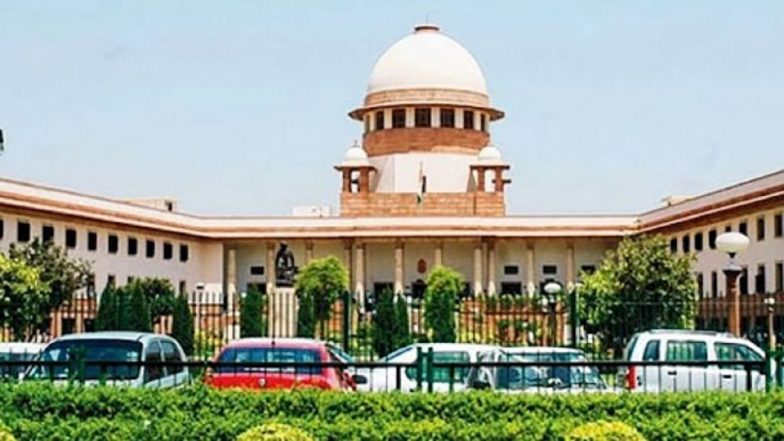
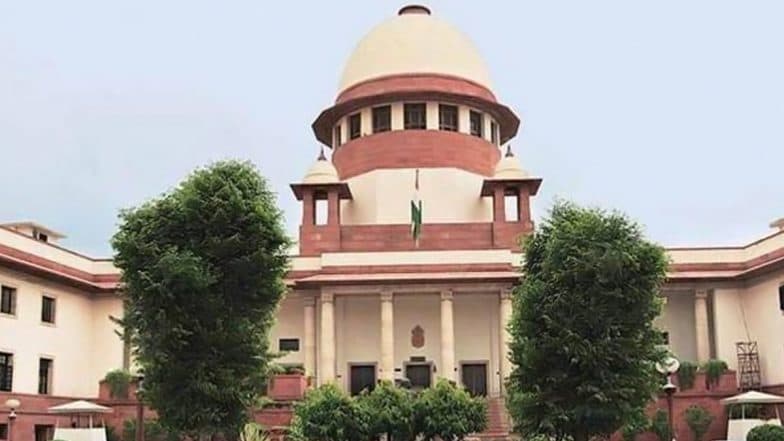
In a status report filed during a suo motu case, the Central government highlighted that an inter-departmental committee has been established to address vulnerabilities in SIM issuance. The committee identified that OTT platforms, particularly WhatsApp, are major vectors for these crimes. SIM-binding is expected to ensure that a platform account is strictly tied to a verified physical SIM card, making it harder for scammers to operate using untraceable or temporary numbers. Supreme Court Slams WhatsApp and Meta Over Data-Sharing Practices.
Regulatory Framework and Technical Interventions
The DoT stated that the Telecommunications Act, 2023, now permits biometric verification, with specific rules currently in the final stages of being drafted. These regulations are intended to address SIM issuance issues prospectively. Furthermore, the government detailed existing technological measures, such as the Central International Out Roamer (CIOR) mechanism, which has significantly reduced the volume of spoofed international calls displaying Indian numbers.
According to a report, spoofed calls dropped from approximately 1.35 crore in October 2024 to roughly 1.5 lakh recently. However, Senior Advocate NS Nappinai, acting as amicus curiae, emphasised that solutions must also address the massive volume of existing SIM cards. She noted that while VoIP services on platforms like Telegram fall under the Information Technology Act, 2000, those provided by Telecom Service Providers are also being misused.
SIM Issuance Limits and Financial Monitoring
The committee also examined the limits on daily SIM card acquisitions. Currently, a single provider can issue up to three SIMs per day to an individual—one via eKYC and two via D-KYC. However, the DoT acknowledged a lack of cross-provider visibility, meaning there is no current mechanism to prevent a user from obtaining multiple SIMs from different companies on the same day.
On the judicial side, the Central Bureau of Investigation (CBI) has identified at least INR 100 million amassed through these specific scams. Banks are reportedly now deploying artificial intelligence to detect and flag suspicious transactions in real-time. The Supreme Court, led by Chief Justice Surya Kant and Justice Joymalya Bagchi, has directed the swift implementation of a new Standard Operating Protocol (SOP) to handle digital arrest cases.
Background of the Suo Motu Case
The Supreme Court initiated this case in October 2025 following a letter from a senior citizen couple who were defrauded of INR 15 million. The victims were targeted by scammers posing as officials from the CBI and the Intelligence Bureau. The case has since expanded to scrutinise the entire ecosystem of digital communication and the ease with which fraudulent accounts are created on global messaging platforms. WhatsApp New Feature Update: Meta-Owned Platform Rolls Out ‘Forward Interface With Checkboxes’ to Android Beta Users; Here’s How It Helps Users.
Government representatives assured the court that a memorandum of understanding (MoU) has been drawn up between various departments to streamline the response to these frauds. The court has urged the Centre to ensure that ground-level enforcement matches the technical proposals to provide continued protection for vulnerable users against sophisticated financial crimes.
(The above story first appeared on LatestLY on Feb 10, 2026 03:44 PM IST. For more news and updates on politics, world, sports, entertainment and lifestyle, log on to our website latestly.com).