Bharat Bandh on February 12: Farmer Outfits, Trade Unions Call Nationwide Strike Against India-US Trade Deal; What We Know
On February 12, a nationwide Bharat Bandh will occur as farmer groups and trade unions protest a new India-US trade deal. Critics label the agreement a "surrender" that threatens domestic agriculture and dairy sectors. While the government cites export gains, protesters demand a rollback of the deal and new labour codes.

- Read in
- हिंदी
New Delhi, February 10: A nationwide "Bharat Bandh" is scheduled for Thursday, February 12, 2026, as prominent farmer organisations and central trade unions join forces to protest a recently announced interim trade agreement between India and the United States. The Samyukta Kisan Morcha (SKM) and the Joint Platform of Central Trade Unions (CTUs) have called for the strike, alleging that the deal compromises India's economic sovereignty and threatens the livelihoods of millions of domestic producers. While the government maintains that the deal includes robust safeguards for the agricultural sector, protest leaders have characterised the framework as a "total surrender" to foreign corporate interests.
Core Grievances: The India-US Trade Deal
The primary catalyst for the February 12 shutdown is the new framework for an interim trade agreement. Under this deal, the US will reportedly reduce tariffs on Indian goods to 18 per cent, while India has agreed to cut or eliminate duties on a wide range of American industrial and agricultural products. Bharat Bandh on February 12: Samyukt Kisan Morcha Calls Nationwide Shutdown Against India-US Interim Trade Deal, Warns of ‘Betrayal of Farmers’.
Farmer leaders, including those from the All India Kisan Sabha (AIKS), argue that allowing zero-duty access for U.S. products like soybean oil, red sorghum, and dried distillers' grains will flood the Indian market with heavily subsidised imports. There are specific concerns regarding the impact on:
-
Dairy Sector: Fearing the entry of American dairy products despite government denials.
-
Fruit Growers: Producers in Himachal Pradesh, Jammu and Kashmir, and the Northeast worry about cheap imports of apples and walnuts.
-
Non-Tariff Barriers: Critics allege that India is dismantling safety and quality barriers to appease U.S. trade demands.
Trade Unions Join the Fray
The "Joint Platform," comprising 10 central trade unions including CITU, AITUC, and INTUC, expects nearly 30 crore workers to participate in the strike. Their demands extend beyond the trade deal to include:
-
Labour Codes: Opposition to the four new labour codes, which unions claim restrict the right to strike and collective bargaining.
-
MGNREGA: Protesting the replacement of the rural employment guarantee scheme with the new "VB-GRAM G" (Viksit Bharat - Guarantee for Rozgar and Ajeevika Mission).
-
Privatisation: Resistance to the 100 per cent FDI allowance in insurance and the proposed privatisation of public sector banks.
Modi Government’s Counter-Stance
Union Commerce and Industry Minister Piyush Goyal has defended the agreement, describing it as a historic step for India’s economic growth. The government asserts that "sensitive" sectors have been protected through specific exclusions:
Exclusions: Staples like wheat, rice, and most dairy products (milk, ghee, butter) are reportedly shielded from tariff cuts.
GMO Restrictions: The government has reiterated that Genetically Modified (GM) food will not be allowed under the deal.
Export Benefits: Officials argue that the zero-duty access for Indian agricultural exports to the US will provide a massive boost to domestic farm incomes. Farmers Protests on February 12 Against India-US Trade Deal: Everything You Need To Know.
What to Expect During the Bandh
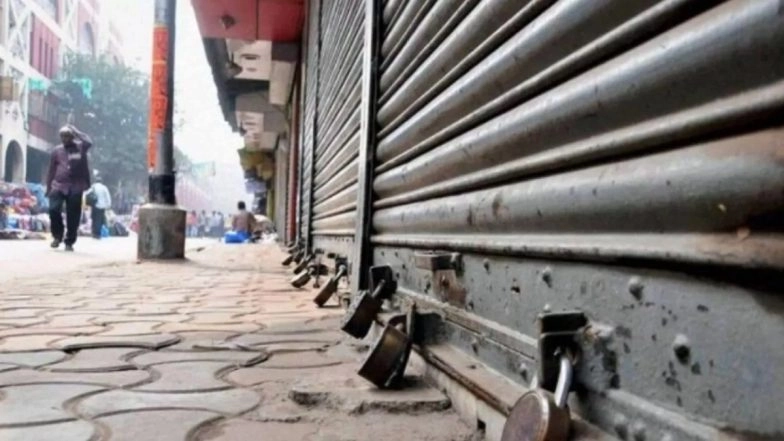
The impact of the February 12 strike is expected to be felt across 600 districts. While essential services like hospitals and ambulances are typically exempt, the following sectors may see disruptions:
Transport: Public transport and truck unions in several states have signaled support.
Public Sector: Banking and insurance services may be partially affected as employees join the general strike.
Industrial Belts: Manufacturing hubs where trade unions have a strong presence are likely to see work stoppages.
As the February 12 Bharat Bandh approaches, the standoff between the Union Government and the joint front of farmers and trade unions highlights a deep-seated divide over India’s economic trajectory. While the government frames the India-US trade deal and labour codes as essential steps toward a "Viksit Bharat" and global market integration, the protesting groups view these policies as a threat to the constitutional rights and financial security of the working class. With over 30 crore participants expected across 600 districts, the success of the strike will likely depend on the participation of the transport and banking sectors, which could determine the extent of the day's economic impact.
(The above story first appeared on LatestLY on Feb 10, 2026 08:00 AM IST. For more news and updates on politics, world, sports, entertainment and lifestyle, log on to our website latestly.com).