Strait of Hormuz Shut Again As Iran Cites Ongoing US Blockade
Tehran has reimposed restrictions on the Strait of Hormuz, accusing the US of maintaining a naval blockade despite ceasefire talks. As a vital artery for 20% of global oil and gas, this closure threatens energy security and trade. International leaders are calling for freedom of navigation as tensions escalate in this critical chokepoint.

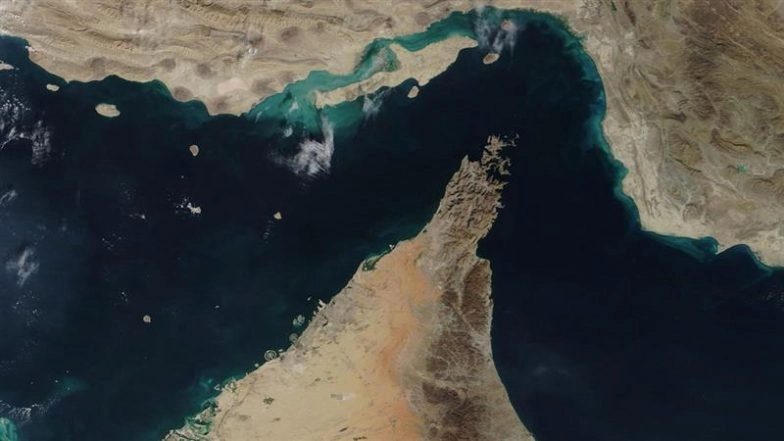
Global energy markets are on high alert as Iran’s military announced the renewed closure of the Strait of Hormuz. This escalation follows accusations from Tehran that the United States has maintained a naval blockade on Iranian shipping, violating terms discussed during recent ceasefire-linked arrangements.
Escalation in the World’s Key Energy Chokepoint
The Strait of Hormuz is the world's most vital maritime chokepoint, facilitating the transit of approximately 20% of global oil and liquefied natural gas (LNG) supplies. While Iran briefly reopened the waterway to commercial traffic yesterday, authorities have now resumed "strict control."
Tehran claims the reversal is a direct response to Washington’s refusal to lift naval restrictions on Iranian ports. Under the new mandate, vessels may require explicit approval from Iranian military command to transit the waterway, causing many commercial ships to stall or turn back. Iran Reopens Strait of Hormuz, Threatens To Close It Again as US Maintains Its Blockade.
Impact on Global Trade and Security
The renewed restrictions have sparked immediate volatility in energy prices. International leaders, including officials from the UK and UN, have called for an immediate restoration of freedom of navigation. Reports of heightened military presence and sporadic gunfire near the strait have further deterred shipping companies, with many rerouting vessels to avoid the volatile region. Iran Declares Strait of Hormuz Completely Open for Commercial Ships Amid Ceasefire.
The Impasse: Blockade vs. Sovereign Control
The current standoff is rooted in a broader conflict between the U.S. and Iran. While ceasefire negotiations are ongoing, a U.S. naval blockade, intended to exert economic pressure on Tehran, remains a major point of contention. Iran has signaled that the strait will remain restricted until its own vessels are granted unimpeded maritime access.
As diplomatic efforts continue, the status of the Strait of Hormuz remains the primary barometer for geopolitical stability in the Middle East. With global supply chains already strained, a prolonged closure could have significant inflationary effects on the global economy.
(The above story first appeared on LatestLY on Apr 18, 2026 04:37 PM IST. For more news and updates on politics, world, sports, entertainment and lifestyle, log on to our website latestly.com).