US Visa Renewal Appointments: US Visa Renewal Delays Strand H-1B Holders in India
Hundreds of H-1B visa holders, predominantly Indian nationals, face prolonged stays in India due to sudden rescheduling of U.S. visa renewal appointments, impacting careers and families, amidst ongoing efforts to streamline the process.

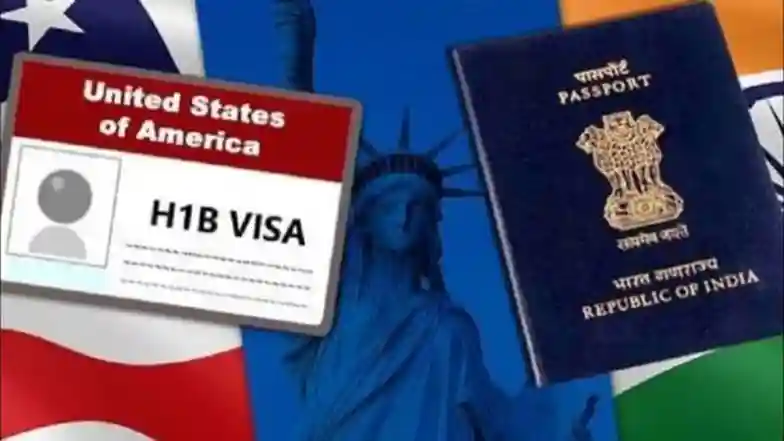
Hundreds of H-1B visa holders, predominantly Indian nationals, find themselves unexpectedly stranded in India following the abrupt rescheduling of their U.S. visa renewal appointments. This unforeseen disruption, stemming from operational adjustments at U.S. consulates, has left many unable to return to their jobs in the United States, creating significant professional and personal challenges.
The Rescheduling Dilemma
Visa applicants, who traveled to India specifically for the mandatory in-person visa stamping required for their H-1B renewal, have reported receiving notifications of appointment cancellations or postponements, sometimes with little advance notice. These changes have extended their stays indefinitely, leading to uncertainty about their return timelines.
The U.S. Department of State has cited various factors, including high demand, staffing adjustments, and operational efficiencies, for the need to reschedule appointments. However, the lack of immediate alternative slots has exacerbated the predicament for those reliant on timely processing.
Impact on Skilled Professionals and Families
The prolonged delays carry severe repercussions for the affected H-1B workers. Many are at risk of losing their employment in the U.S. if they cannot return by a specified date, while others face financial strain from extended stays and potential income loss.
Beyond professional implications, families are also impacted. Spouses and children, often on dependent visas, may be separated from their primary earners or forced to delay their own return to the U.S., disrupting schooling and daily life.
Understanding the H-1B Visa Renewal Process
The H-1B visa program allows U.S. employers to temporarily employ foreign workers in specialty occupations. While extensions of stay can often be processed domestically by U.S. Citizenship and Immigration Services (USCIS), a new visa stamp from a U.S. consulate abroad is typically required when an H-1B holder travels internationally and needs to re-enter the U.S.
Historically, India has been a primary location for H-1B visa stamping due to the large number of Indian professionals working in the U.S. This necessity to travel abroad for stamping has long been a point of concern for visa holders due to the logistics and potential for delays.
Towards Domestic Renewal and Future Outlook
In response to long-standing calls to alleviate the burden of international travel for visa stamping, the U.S. Department of State launched a domestic visa renewal pilot program in December 2023. This initiative aims to allow certain H-1B nonimmigrants to renew their visas within the U.S., eliminating the need to travel abroad for this specific process.
The pilot program, initially limited to a small number of participants, is slated for potential expansion. Should it become fully operational and widespread, it could significantly reduce the instances of H-1B holders being stranded overseas due to consular processing issues, addressing a critical bottleneck in the immigration system.
While the long-term outlook appears to favor more streamlined processes, those currently affected by the rescheduling in India continue to navigate immediate challenges, awaiting new appointment dates and clarity on their return.
Wider Implications
The situation underscores broader challenges within the U.S. immigration system, particularly regarding the efficiency of consular services in high-demand regions. It also highlights the economic contributions of H-1B visa holders and the disruption caused when their ability to work is impeded.
As the U.S. continues to attract global talent, the reliability and predictability of its visa processing systems remain crucial for both employers and skilled professionals worldwide.
(The above story first appeared on LatestLY on Dec 22, 2025 11:14 AM IST. For more news and updates on politics, world, sports, entertainment and lifestyle, log on to our website latestly.com).