What Is Force Majeure? Meaning and Why It’s Trending Amid Iran-Israel-US Conflict
"Force majeure," meaning "superior strength", is trending as Gulf energy firms invoke the legal clause to suspend oil and gas shipments due to the Iran-Israel-US conflict. With the Strait of Hormuz blocked and infrastructure damaged, the move protects companies from breach-of-contract penalties but has driven Brent crude prices past USD 114.

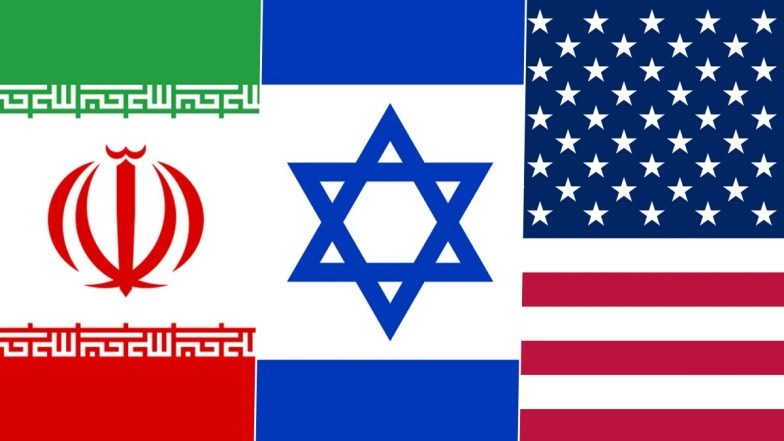
Mumbai, March 9: As the conflict between Iran, Israel, and the United States escalates, a specific legal term - force majeure - has dominated international trade and energy headlines. In the last 48 hours, major state-owned energy firms in Qatar, Kuwait, and Bahrain have invoked this clause, effectively suspending multi-billion-dollar oil and gas shipments. The move comes as retaliatory strikes and maritime threats have brought traffic through the Strait of Hormuz to a near-standstill, forcing global markets to brace for a sustained energy supply crunch.
What Does Force Majeure Mean?
Force majeure is a French term meaning "superior strength". In the world of business and law, it refers to a specific clause in a contract that excuses a party from performing their obligations when an extraordinary, unforeseen event beyond their control occurs. Bahrain: Children Among Critically Injured in Iranian Drone Attack on Sitra; 4 in Serious Condition (Watch Videos).
Commonly triggered by events like war, natural disasters, or government-imposed restrictions, the clause allows a company to delay or suspend its duties without being penalised for a "breach of contract". While it protects the seller from lawsuits, it also serves as a formal signal to buyers that a promised shipment, such as crude oil or liquefied natural gas (LNG), is not coming as scheduled.
Why the Term is Trending Amid Iran-Israel-US Conflict
The current surge in force majeure declarations is directly tied to the deteriorating security situation in the Persian Gulf. Following joint US-Israel strikes on Iranian military and nuclear facilities on February 28, the region has seen a wave of retaliatory drone and missile attacks targeting critical infrastructure.
Key developments driving the trend include:
- Maritime Gridlock: With the Strait of Hormuz effectively closed, tankers are unable to safely transit the waterway that carries 20 per cent of global oil consumption.
- Infrastructure Damage: Bahrain's state oil company Bapco declared force majeure on Monday after its refinery complex was struck. Similarly, Kuwait's KPC has issued notices as its storage tanks reach capacity because ships cannot export the oil.
- Supply Chain Paralysis: In India, companies like Petronet LNG and GAIL have invoked force majeure or reduced supplies to zero because their contracted tankers from Qatar are unable to reach loading terminals.
The Economic Ripple Effect Due to the Invocation of Force Majeure
The invocation of force majeure is more than just a legal technicality; it is a catalyst for global price hikes. On Monday, Brent crude prices surged past USD 114 per barrel, the highest level since 2022. Analysts warn that if these declarations remain in place, the resulting supply deficit could drive oil prices toward USD 200 per barrel, as warned by Iranian officials. For countries like India, which imports nearly 50 per cent of its gas through the affected region, these legal notices mean industrial factories are already facing a 50 per cent cut in gas supply. The "30-day waiver" recently granted by the US for stranded Russian oil is a temporary attempt to mitigate the shock, but it does not address the long-term paralysis caused by the force majeure notices in the Gulf. ‘Operation True Promise 4’: Iran, Regional Allies Launch Massive Retaliatory Strikes Against US and Israeli Assets.
War vs Commercial Risk
Legal experts note that invoking force majeure is not automatic. Companies must prove that the conflict has made performance "impossible," not just "expensive." While a refinery being hit by a missile clearly qualifies, high insurance costs or a general fear of war often do not. As the conflict enters its second week, the "ghost" of force majeure - last seen during the peak of the COVID-19 pandemic - has officially returned to haunt global trade.
(The above story first appeared on LatestLY on Mar 09, 2026 03:41 PM IST. For more news and updates on politics, world, sports, entertainment and lifestyle, log on to our website latestly.com).