













 Quickly
 Socially
 Trending
 Crypto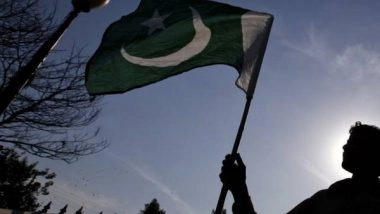
Islamabad [Pakistan], September 24 (ANI): Pakistan is facing multiple fault lines that are hampering the growth of the already conditioned economy of the country, including a breakdown of law and order domestically, which poses major challenges to the establishment and sectarian violence.
In Pakistan, Sunni groups are threatening Shias, Ahmadis and non-Muslim minorities, enjoying support from the military and political leadership.
According to the International Crisis Group (ICG) in its reports published on September 5 which forecasts that sectarian violence could intensify with political instability and economic downturn creating a powder keg in Pakistan, a Canada-based think tank IFFRAS said.
ICG Report's observation that sectarian militancy now runs across the range of Sunni Islamist groups, including adherents to the more moderate Barelvi sub-sect, is believed to constitute a thin majority of Pakistan's population.
Also Read | Syria: 73 Dead As Migrant Boat Capsizes Near Syrian Shore, 20 Others Rescued.
In 2020, well-known defence analyst, Dr Ayesha Siddiqa wrote about the revival of sectarian tension between Sunnis and Shias in Karachi and other urban centres in Sindh and Punjab. She pointed out that Pakistan has reportedly witnessed the killing of approximately 4,847 Shias in incidents of sectarian violence between 2001 and 2018, IFFRAS had reported earlier.
Apart from it, the recent devastating floods in Pakistan have sent yet another signal to the world that Islamabad is sinking.
The ICG report, published in early September this year, pointed out that these new groups, though different in many ways, were responsible for some of the country's worst inter-communal bloodshed in recent years.
The report warned that "Muslim minorities, particularly Shias, are deeply vulnerable. Vigilantism is dangerous as hardliners mobilise around allegations of blasphemy to gain political clout."
The origin of Sunni militancy can be traced to the Sunni-Shia tension in Pakistan immediately after the independence. Many Deobandi clerics called for attacks on Shia processions and wrote against Shias in books and tracts, reported IFFRAS.
During President Zia-ul Haq's tenure, Sunni militancy came to the fore with the army actively supporting a rabidly anti-Shia group called Anjuman Sipah-e-Sahaba Pakistan. (ANI)
(The above story is verified and authored by ANI staff, ANI is South Asia's leading multimedia news agency with over 100 bureaus in India, South Asia and across the globe. ANI brings the latest news on Politics and Current Affairs in India & around the World, Sports, Health, Fitness, Entertainment, & News. The views appearing in the above post do not reflect the opinions of LatestLY)
 Share Now
 Google Trends



 Live Bot