All Eyes on the Fed Pivot: When Will It Happen?
Federal Reserve officials have consecutively raised interest rates this year, tightening the monetary policy at a pace not seen since the 1980s. Despite the plunging financial markets and the consequent investors’ woes, there is no sign of the Fed’s “turnaround” on the horizon, at least till the end of 2022.

Federal Reserve officials have consecutively raised interest rates this year, tightening the monetary policy at a pace not seen since the 1980s. Despite the plunging financial markets and the consequent investors’ woes, there is no sign of the Fed’s “turnaround” on the horizon, at least till the end of 2022.
While, previously, many professionals expected a pivot by year-end, Fed Chairman Jerome Powell dispelled such expectations in August during the Jackson Hole summit. For now, interest rate hikes might get more aggressive, where another 75-bps hike is expected in the November FOMC meeting. That said, a pivot can potentially happen anytime in 2023, most probably in Q1, though nothing can be certainly said.
Fears of recession and the Fed’s stance
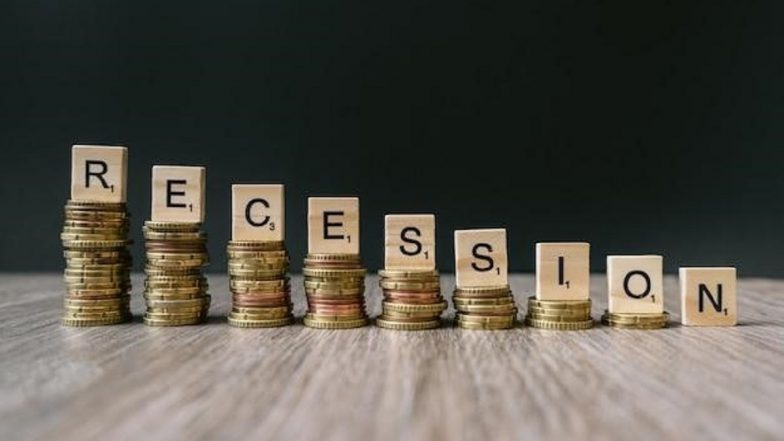
The slumping world economy and plunging markets are ringing alarms that a global recession is very near. Consumers have long been feeling the deteriorating state of affairs, evident from the glum outlook of GDPs, real income, employment, industrial production, and retail sales all over the world. Although the Russia-Ukraine clash, poor pandemic policies and surging inflation are all somewhat responsible for an impending recession, the most prominent catalyst is the aggressive contraction of monetary policy by the Fed to squeeze inflation out.
Back in August, Chairman Powell responded to the concerns about a looming recession caused by consistent interest rate hikes. According to him, “some pain” for the economy would be inevitable to rein in inflation. The Fed’s approach is clear - despite their preference for a soft landing, they have no plans to subside their policies even if a recession is triggered and even if the repercussions are felt far beyond US borders.
Mixed sentiments about the possible timing of the Fed pivot
There is a great debate in financial circles regarding the expected timing of the Fed pivot and whether the Fed will actually pivot. One thing traders can do currently to remain on the safe side is to consider CFDs trading offered by platforms like easymarkets.com. It is because leveraged trading can offer you multiple opportunities in both market directions; however, be cautious of the involved risks.
In the previous few months, markets have rallied repeatedly only to reverse and tumble down again, dashing the emerging hopes of a Fed pivot every time. For instance, weaker-than-expected data on manufacturing and job openings in August fuelled expectations that the Fed will slow down its market-punishing interest rate hikes. However, the optimistic assumptions soon evaporated when more-than-estimated jobs were added in September.
That said, some Fed officials predict that rates will continue to rise in the coming months with no imminent signs of a policy reversal. Some statistics are showing an economic cool down, indicating that there might not be a need for belligerent monetary policy in the future. What exactly will happen cannot be stated for sure.
Which stimulants can bring about the Fed pivot?
Considering all intricacies, the following conditions may finally push the Fed to retract from its ongoing interest rate hike campaign as per the NDR research. Fed may pause or reverse its policy:
- If major companies fail to get any funding due to extremely damaged market conditions.
- If there are authentic confirmations that inflation is pulling back.
- If softness occurs in the labor market with more than 4% unemployment rates and lesser job openings.