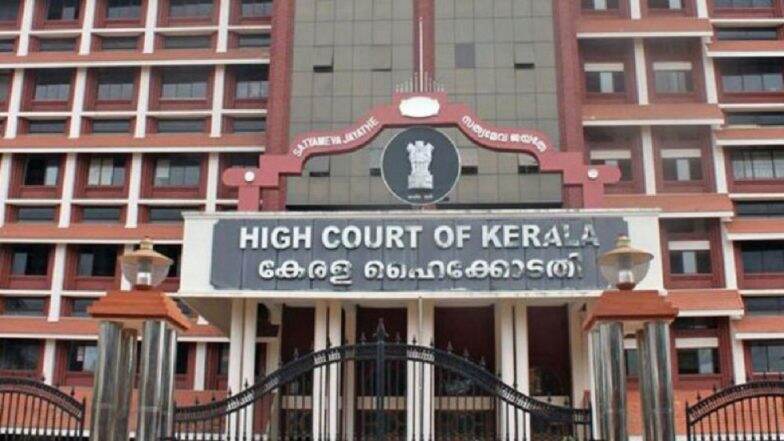
Delhi High Court Pulls up Govt on POCSO Amendment: 'Any Research to Prove Death Penalty Deters Rape Crimes?'
"How many offenders would allow their victims to survive now that rape and murder have the same punishment,” the court said.


New Delhi, April 23: The Delhi High Court on Monday pulled up the government over its recent amendment to the Prevention of Children From Sexual Offences (POCSO) Act, which allows for death penalty to be awarded in rape cases where the victim is below 12 years of age.
The court, while hearing a PIL filed by journalist-turned-academician Madhu Kishwar challenging the Criminal Law (Amendment) of 2013, questioned the government over the use of death penalty as a deterrent to rape crimes.
Is there any empirical data which proves death as a deterrent, asks HC
"Did you carry out any study, any scientific assessment that death penalty is a deterrent to rape? Have you thought of the consequences to the victim," a bench of Acting Chief Justice Gita Mittal and Justice C Hari Shankar asked the government.
The High Court's apprehensions come two days after the Union Cabinet approved the ordinance which amends the POCSO Act.
As per the amendments, the minimum punishment for raping a minor has been increased from 7 to 10 years, whereas, the maximum punishment has been widened from rigorous life imprisonment to hanging until death.
The court said the move could backfire as the rapist would now end up murdering the victim, with the punishment for both the crimes being equated.
"How many offenders would allow their victims to survive now that rape and murder have the same punishment,” the bench was quoted as saying by PTI.
Victims will fear reporting crime: Senior SC Lawyer Vrinda Grover
Senior Supreme Court lawyer Vrinda Grover said most perpetrators of rape are members of the family. With death being approved as a penalty for the sexual assault against minors, she opined that the victim and her immediate kin would be pressurised by their relatives and family members to settle for out-of-court settlement.
"Far from reporting the crime, death penalty is going to deter the victim from reporting sexual assault when the offender is from the family or is known to them. This will lead to the crime being suppressed and the victim being left completely helpless," she was reported as saying.
94 percent accused known to victims
According to the data released by the National Crime Records Bureau (NCRB) for the year 2016, out of the 36,657 cases of rape where the victim is a minor, in 34,650 cases (nearly 94 percent), the prime accused is known to the victim.
The accused is either a close relative, family member, neighbour or acquaintance, the NCRB data disclosed.
Only 3 per cent convictions
The NCRB data further sheds light on the failed prosecution process as conviction was secured in only 3 per cent cases so far.
According to senior CPI(M) leader Brinda Karat, the government is attempting to divert the issue by introducing a new law. "There are laws in place, the question is of implementation," she said.
(The above story first appeared on LatestLY on Apr 23, 2018 09:29 PM IST. For more news and updates on politics, world, sports, entertainment and lifestyle, log on to our website latestly.com).