Will Rising Oil Prices Make Bottled Water More Expensive? Here’s What Global Supply Chains Signal
Rising global oil prices amid West Asia tensions may push bottled water costs higher as plastic packaging becomes expensive. Experts warn prices could rise 5-10 percent soon, with sharper hikes if crude hits USD 150+. India has already seen water prices climb to around INR 20 per litre.

- Read in
- हिंदी
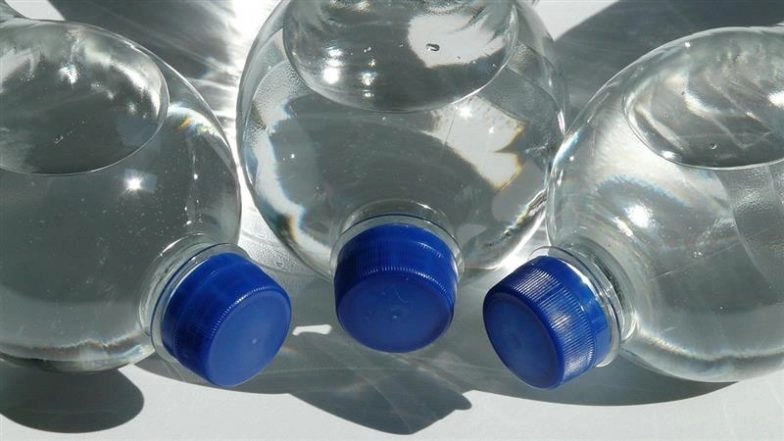
A sharp rise in global oil prices driven by escalating geopolitical tensions in West Asia is beginning to ripple across everyday consumer goods, including bottled drinking water. Industry experts warn that the impact is already moving through supply chains, with packaging costs climbing and beverage companies preparing for price hikes in the coming weeks.
The disruption follows military developments involving the United States and Israel, after which Iran imposed restrictions in the Strait of Hormuz, a key route that carries nearly 20 percent of global oil and liquefied natural gas supplies. This supply shock has pushed Brent crude prices up by more than 50 percent within weeks, significantly increasing energy and petrochemical costs worldwide.
Bottled water is particularly vulnerable because its packaging depends heavily on petroleum-based materials. Plastics such as polyethylene terephthalate and ethylene are derived from oil and natural gas. As these inputs become more expensive, manufacturers face higher production costs, which are typically passed on to consumers. Global Crude Oil Jumps: Donald Trump’s Iran Military Strike Warning Sparks Sharp Rise in Brent and WTI Prices.
According to supply chain analysts, the first wave of price increases could be seen as early as April, with bottled beverages rising by at least 5 percent. If crude oil reaches between USD 125 and USD 150 per barrel, prices could increase by up to 10 percent by May. In a worst-case scenario, if oil climbs close to USD 200 per barrel, bottled water prices could surge by 25 to 30 percent globally.
India is already witnessing early signs of this trend. Packaged drinking water prices have risen by around 11 percent, with retail rates touching nearly INR 20 per litre in some areas. Industry sources say plastic input costs have jumped more than 70 percent, while bottle resin prices have increased over 30 percent since late February. Israel-Iran War Impact: 15+ Things Getting Costlier in India & Why You Shouldn't Panic.
However, the impact may vary across regions. Countries like the United States, which produce key petrochemical inputs domestically, could see slower or less severe price increases compared to import-dependent markets.
Experts caution that the situation could mirror the post-2022 Russia-Ukraine conflict, where energy shocks gradually pushed up consumer prices. Historically, the most significant increases in plastic packaging costs tend to appear about three months after such disruptions begin.
(The above story first appeared on LatestLY on Apr 04, 2026 02:41 PM IST. For more news and updates on politics, world, sports, entertainment and lifestyle, log on to our website latestly.com).