COP30: Fashion Is a Major Driver of Deforestation in the Amazon Rainforest
Fashion plays a significant role in driving deforestation in the Amazon rainforest. This year's annual climate conference was confidently hosted in Belém, Brazil, a city at the very heart of the Amazon. From November 10th to 21st, COP30 drew worldwide attention to crucial climate issues amid ongoing environmental concerns. India, a leading voice among developing-country coalitions, acknowledged the Brazil Presidency’s focus on key issues but chose not to disclose its revised Nationally Determined Contributions on clean energy commitments.

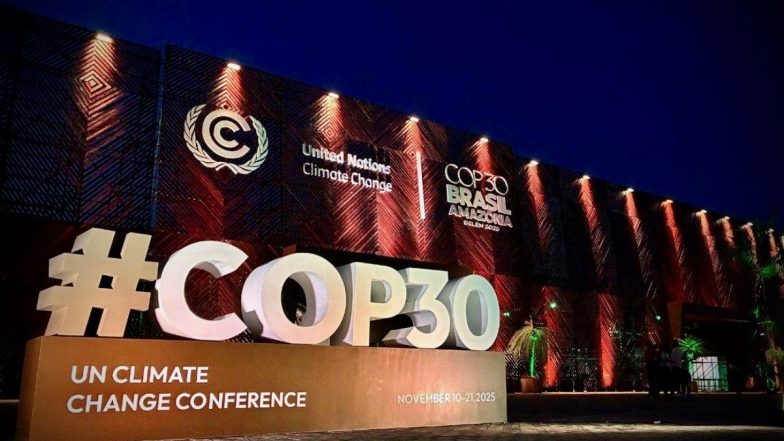
The 30th Conference of the Parties (COP) wrapped up in Belém, a city chosen for its proximity to the Amazon. This milestone highlighted the significance of this year's gathering: it marked 10 years since 195 countries signed the Paris Agreement, an accord aimed at limiting global temperature rise to well below 2°C and, ideally, to 1.5°C above pre-industrial levels. While setting this target proved challenging, by 2024, global temperatures had already surpassed 1.5°C for the first time, though it will take several more breaches for 1.5°C to become the new normal. Over the years, COPs have focused on encouraging nations to overhaul their economies away from fossil fuels, sharing responsibilities—and costs—while also tackling the damage already inflicted by climate change on societies, livelihoods, and ecosystems. ‘Wood Grain’ Is the Must-Have Print Every Fashionista Is Embracing!.
India, a key player among developing nations, welcomed Brazil’s recognition of these concerns but chose not to update its Nationally Determined Contributions on clean energy. The negotiation process at COP often leaves many wondering how much real progress is being made; pollution, deforestation, and climate denial seem louder and more visible than ever. Still, as the saying goes, humanity’s battle against climate change is ongoing.
Fashion is contributing to the destruction of the Amazon
Highlighting the link between fashion and climate change, this year’s discussions reiterated urgent concerns about overconsumption, overproduction, and the industry's waste—factors that put even more pressure on the environment.
This year’s COP also marked the 30th gathering convened under the United Nations Framework Convention on Climate Change (UNFCCC). The impact of the fashion industry on climate change was brought into the spotlight through initiatives like Fashion Revolution Brasil’s #FashionForTheClimate campaign, which aims to defend the Amazon ecosystem from threats related to fashion production.
Research shows that many fashion brands are involved in land grabbing and large-scale deforestation of the Amazon, driven by high demand for cotton and leather products. These activities lead to habitat destruction, endanger biodiversity, and threaten indigenous communities.
The Cerrado, a vital savannah region known for its rich biodiversity and capacity for carbon storage, is also highly vulnerable to these damaging practices.
The connection between the fashion industry’s environmental impact and the broader climate crisis has become clearer than ever, emphasizing how deeply intertwined ecosystems and local communities are with global climate efforts. Get Excited for a Season Brimming With Stylish Loafers! These Versatile Shoes are the Footwear Trend you Absolutely Can't Miss.
Looking ahead, countries are being called to revisit and ramp up their climate targets. After years of slow progress, COP30 underscored the urgent need for leaders and stakeholders to turn commitments into concrete actions that can effectively tackle climate change.
(The above story first appeared on LatestLY on Nov 27, 2025 04:55 PM IST. For more news and updates on politics, world, sports, entertainment and lifestyle, log on to our website latestly.com).