Mahashivratri 2026: Date, Shubh Muhurat, Puja Timings, Nishita Kaal and Vrat Vidhi
Mahashivratri will be observed on February 15, 2026. The Chaturdashi Tithi begins at 5:04 PM, with the crucial Nishita Kaal puja set for 12:09 AM. Marking the divine union of Shiva and Parvati, the day features rare Rajyogs. Devotees will engage in fasting, night vigils, and ritual Abhisheks to harness the night’s unique spiritual energy.

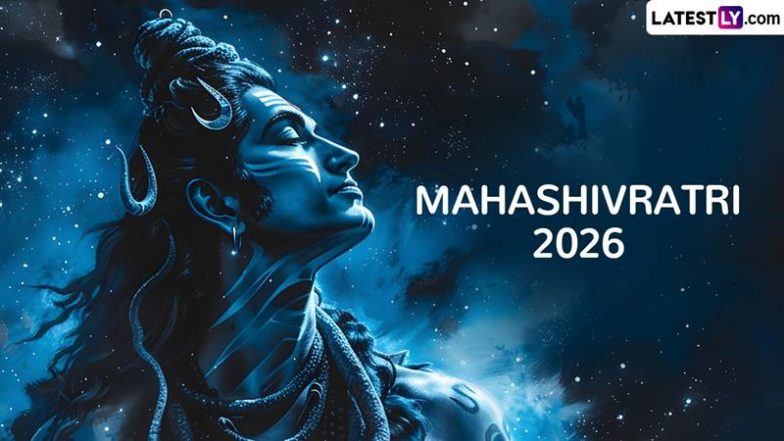
Mahashivratri, one of the most significant festivals in the Hindu calendar, will be observed on Sunday, February 15, 2026. Dedicated to Lord Shiva, the "Great Night" falls on the Chaturdashi Tithi of the Krishna Paksha in the month of Phalguna. Devotees across the globe are preparing for a night of fasting, meditation, and "Jagran" (night vigil), as the 2026 observance is marked by several rare astrological alignments, including the Budhaditya and Laxmi Narayan Rajyogs, which practitioners believe enhance the spiritual potency of the day.
According to the Hindu Panchang, the timing of Mahashivratri is determined by when the Chaturdashi Tithi prevails during the midnight hours (Nishita Kaal). For 2026, the schedule is as follows:
- Chaturdashi Tithi Begins: February 15, 2026, at 5:04 PM
- Chaturdashi Tithi Ends: February 16, 2026, at 5:34 PM
- Mahashivratri Vrat (Fast): Sunday, February 15, 2026
- Vrat Parana (Breaking the fast): February 16, 2026, between 6:59 AM and 3:24 PM
Maha Shivratri 2026: Nishita Kaal and Four Prahar Puja
The most critical window for worship is the Nishita Kaal, the time when Lord Shiva is believed to have manifested as the Jyotirlinga. In 2026, this 51-minute window occurs in the early hours of Monday:
- Nishita Kaal Puja: 12:09 AM to 1:01 AM (Feb 16)
For those performing the traditional four-phase puja throughout the night, the timings (based on New Delhi) are:
- 1st Prahar: 6:11 PM to 9:23 PM (Feb 15)
- 2nd Prahar: 9:23 PM to 12:35 AM (Feb 15–16)
- 3rd Prahar: 12:35 AM to 3:47 AM (Feb 16)
- 4th Prahar: 3:47 AM to 6:59 AM (Feb 16)
Mahashivratri Significance
Mahashivratri translates literally to "The Great Night of Shiva." Beyond its religious rituals, the day holds deep mythological and yogic significance. One prominent tradition celebrates this night as the anniversary of the divine marriage between Lord Shiva and Goddess Parvati, symbolizing the union of consciousness and energy.
Another legend highlights it as the night Shiva performed the Tandava, the cosmic dance of creation and destruction. From a yogic perspective, it is said that on this night, the planetary positions cause a natural upsurge of energy in the human system, making it an ideal time for meditation and spiritual practices.
Rituals and How to Celebrate Mahashivratri
The celebration of Mahashivratri is centered around discipline and devotion rather than outward festivities.
- Fasting (Vrat): Many devotees observe a full-day fast. While some opt for Nirjala (without water), others follow a Phalahar diet, consuming only fruits and milk.
- Abhishek: The central ritual involves bathing the Shiva Linga with water, milk, honey, curd, and ghee.
- Offerings: Devotees offer Bilva (Bel) leaves, which are considered highly sacred to Shiva, along with white flowers, sandalwood paste, and Dhatura fruit.
- Chanting and Meditation: The mantra "Om Namah Shivaya" is chanted throughout the day and night to maintain focus and mental clarity.
- Night Vigil (Jagran): To benefit from the perceived energy of the night, devotees remain awake and upright, often participating in temple bhajans or silent meditation.
Major Mahashivratri celebrations are expected at the 12 Jyotirlingas across India. In Varanasi (Kashi Vishwanath), the Mahashivratri Shobhayatra (wedding procession of Shiva) remains a highlight, while in Ujjain (Mahakaleshwar), the Bhasma Aarti will draw thousands of pilgrims. In Southern India and at the Isha Yoga Center, the night is often marked by extensive cultural and musical performances designed to keep participants awake and engaged in spiritual practice.
(The above story first appeared on LatestLY on Feb 10, 2026 12:19 PM IST. For more news and updates on politics, world, sports, entertainment and lifestyle, log on to our website latestly.com).