Baklava vs Paklava: A Sweet Distinction
Ever wondered why some call it Baklava and others Paklava? Discover the regional differences in ingredients, spices, and dough that set these two iconic desserts apart. Explore the rich history and culinary distinctions between Turkish/Greek Baklava and Armenian/Azeri Paklava in our ultimate guide to these honey-soaked treats.

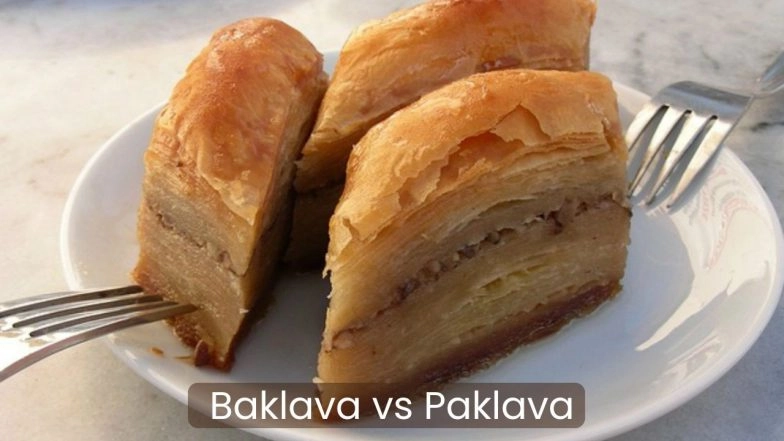
Whether you are scrolling through a lifestyle feed or looking for a weekend kitchen project, the debate between Baklava and Paklava is one of the most delicious rivalries in the culinary world. While they share a common ancestor in the royal kitchens of the Ottoman Empire, these two pastries have evolved into distinct experiences that reflect the unique spices and traditions of their homelands.
Baklava and Paklava - The Tale of Two Syrups: A Regional Breakdown
At first glance, both desserts are architectural marvels of dough and nuts. However, as any connoisseur will tell you, the devil is in the details—specifically the "P" vs. the "B."
Baklava (The Mediterranean Icon)
Most commonly associated with Turkey and Greece, this version is all about the "crunch factor."
The Dough: Uses paper-thin phyllo, layered up to 40 times to create a light, airy structure that shatters upon impact.
The Filling: Turkish varieties are famous for their vibrant green pistachios (often from the Gaziantep region), while Greek versions lean heavily on walnuts.
The Syrup: Typically a clean, sweet mixture of sugar, water, and lemon. Greek variations often incorporate honey for a richer, stickier finish.
How to Make Baklava: Recipe and Ingredients
Paklava (The Caucasian Speciality)
Pronounced with a "P" in Armenia and Azerbaijan, this version is a warmer, more aromatic experience.
The Dough: Often slightly thicker and more substantial than phyllo, giving it a pastry-like, "cakey" bite rather than a brittle one.
The Filling: Walnuts are the undisputed star here. What sets Paklava apart is the spice profile: it is deeply infused with cinnamon and cloves.
The Signature Look: You’ll recognise Paklava by its large diamond cuts, each traditionally adorned with a whole walnut or clove pressed firmly into the centre.
How to Make Paklava: Recipe and Ingredients
Baklava vs Paklava: Key Differences
| Feature | Baklava (Turkish/Greek) | Paklava (Armenian/Azeri) |
| Primary Nut | Pistachio (Turkish) or Walnut (Greek) | Walnut |
| Dominant Spices | Simple/Neutral | Cinnamon and Cloves |
| Sweetener | Sugar Syrup or Honey | Spiced Sugar Syrup |
| Texture | Shattering, crisp, light | Dense, aromatic, sturdy |
| Visual Cue | Often topped with crushed nuts | Whole walnut pressed in the center |
A Shared History Between Baklava and Paklava
Both pastries trace their lineage back to the 8th century B.C. In Assyria, early versions consisted of flatbread layered with nuts and honey. Over centuries, these recipes travelled along the Silk Road, picking up spices from Armenia and delicate dough techniques from Greece.
Today, whether it's the 33 layers of Greek Baklava representing the years of Christ's life, or the Armenian Paklava served during Lent, these desserts remain symbols of hospitality, abundance, and celebration.
(The above story first appeared on LatestLY on Feb 02, 2026 02:12 PM IST. For more news and updates on politics, world, sports, entertainment and lifestyle, log on to our website latestly.com).