













 Quickly
 Socially
 Trending
 Crypto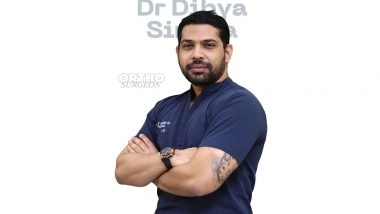
VMPL
New Delhi [India], February 24: The landscape of orthopedic trauma surgery in Eastern India has undergone a radical transformation over the last decade. Historically, complex fractures of the pelvic ring and acetabulum (the socket of the hip joint) were often managed conservatively with prolonged bed rest, frequently leading to lifelong disability, chronic pain, and malunion.
Also Read | Dubai Gold Rate Today: 18K, 22K, 24K Gold Prices for February 24.
Today, the region is a burgeoning hub for advanced pelvic-acetabular reconstruction, thanks to specialized surgical techniques and dedicated practitioners.
Pelvic and acetabular surgeries are widely considered the "Mount Everest" of orthopedic trauma. The anatomy is deep, surrounded by major blood vessels and nerves, requiring a high degree of precision.
1. From Conservative to Operative
In the past, the lack of specialized infrastructure in states like Odisha, West Bengal, and Bihar meant patients were often referred to major metros in the North or South. The progress in Eastern India is marked by:
- Advanced Imaging: The shift from 2D X-rays to 3D CT reconstructions allows surgeons to map fracture lines with millimeter precision.
- Specialized Approaches: The adoption of the Stoppa approach and other minimally invasive techniques has reduced blood loss and recovery time.
- Dedicated Trauma Units: The establishment of Level-1 trauma centers equipped with radiolucent tables and high-end C-arm intensifiers.
The Role of Dr. Dibya Singha Das
A pivotal figure in this regional advancement is Dr. Dibya Singha Das. His contribution has been instrumental in bridging the gap between global surgical standards and local accessibility in Eastern India.
Clinical Excellence
Dr. Das has been at the forefront of managing "high-velocity" trauma--cases typically resulting from industrial accidents or highway collisions. His work focuses on:
- Anatomical Reduction: Achieving a perfect "fit" for the hip ball and socket to prevent early-onset arthritis.
- Complex Reconstructions: Handling neglected fractures or failed previous surgeries that require expert revision.
Academic and Skill Transfer
Beyond the operating theater, Dr. Das has played a crucial role in demystifying pelvic surgery for the next generation of surgeons. Through workshops and live surgical demonstrations, he has helped build a community of orthopedic surgeons in the East who are no longer intimidated by the complex anatomy of the pelvis.
Current Challenges and the Road Ahead
While the progress is undeniable, the region still faces specific hurdles:
- The Golden Hour: Getting patients to specialized centers within the critical window remains a logistical challenge.
- Affordability: The cost of specialized implants and prolonged ICU stays can be prohibitive.
- Rehabilitation: Post-operative care requires specialized physiotherapy, which is still catching up to the pace of surgical advancements.
For more information- https://drdibya.com/
(ADVERTORIAL DISCLAIMER: The above press release has been provided by VMPL. ANI will not be responsible in any way for the content of the same.)
(The above story is verified and authored by ANI staff, ANI is South Asia's leading multimedia news agency with over 100 bureaus in India, South Asia and across the globe. ANI brings the latest news on Politics and Current Affairs in India & around the World, Sports, Health, Fitness, Entertainment, & News. The views appearing in the above post do not reflect the opinions of LatestLY)
 Share Now
 Google Trends



 Live Bot