













 Quickly
 Socially
 Trending
 Crypto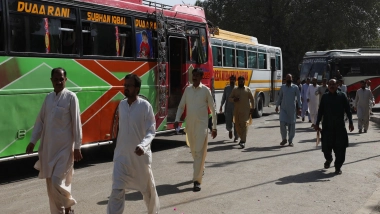
Karachi [Pakistan], April 9 (ANI): Despite a Sindh government directive to keep transport fares unchanged in exchange for fuel subsidies, commuters across Karachi continue to face excessive charges, exposing gaps in enforcement and policy execution.
Transport operators have largely disregarded the official orders, leaving citizens to shoulder rising travel costs, as reported by Dawn.
Also Read | Iranian American Soccer Fans Are Torn as the World Cup Approaches.
According to Dawn, passengers report that overcharging has become routine across buses, minibuses, Qingqi rickshaws, school vans, and even goods transport services. Many had anticipated a rollback to earlier fare levels after the subsidy announcement, especially since transport groups had reportedly agreed to comply.
However, this promised relief has not materialised. Commuters describe a sharp jump in fares, often nearly doubling for short distances. One passenger stated that fares previously ranging between Pakistani Rupees (PKR) 20 and PKR 30 are now being charged at PKR 40 to PKR 50 without justification. Attempts to challenge conductors are often met with ultimatums: pay or disembark.
Also Read | Sean ‘Diddy’ Combs’ Lawyers Make First Amendment Argument.
Students and low-income workers appear to be among the worst affected. A college student shared that increased commuting expenses have forced him to walk long distances daily to cut costs. Meanwhile, parents are struggling with soaring school van fees, in some cases doubling monthly expenses, further straining household budgets.
The ripple effects extend beyond commuters. Ride-hailing drivers and motorcyclists report rising fuel expenses that subsidies fail to offset. In the business sector, transporters are demanding significantly higher rates, with inter-city freight costs reportedly doubling.
A wholesale trader noted that even local delivery charges have surged, squeezing margins without allowing corresponding price increases for essential goods, as cited by Dawn.
The government's strategy to cushion citizens against fuel-driven inflation remains ineffective in practice. The lack of monitoring and enforcement has not only undermined public trust but also left vulnerable groups grappling with an escalating cost-of-living crisis, as reported by Dawn. (ANI)
(The above story is verified and authored by ANI staff, ANI is South Asia's leading multimedia news agency with over 100 bureaus in India, South Asia and across the globe. ANI brings the latest news on Politics and Current Affairs in India & around the World, Sports, Health, Fitness, Entertainment, & News. The views appearing in the above post do not reflect the opinions of LatestLY)
 Share Now
 Google Trends



 Live Bot