













 Quickly
 Socially
 Trending
 Crypto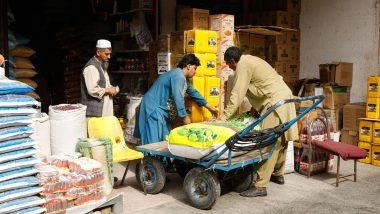
Kabul [Afghanistan], October 25 (ANI): The World Food Programme (WFP) has reported a significant surge in the cost of basic food items in Afghan markets as commercial crossings between Afghanistan and Pakistan remain closed, Tolo News reported. The humanitarian body cited border closures, rising fuel prices, and the shutdown of the Salang Highway as major factors driving up transportation costs and, consequently, food prices.
Shopkeepers in Kabul have noted sharp increases in essential goods over the past two weeks. Prices for staples like flour, rice, and cooking oil have reportedly risen by up to 100 afghanis.
Mahiuddin, a Kabul resident, told Tolo News, "Previously it was 1,400 AFN (over $20), and now it's up to 1,550 AFN. Ever since the tension between Afghanistan and Pakistan started, prices have gone up, businesses are down, and people are struggling."
Another local, Ajmal, said, "From morning to night I'm out here, and my day is wasted. I have a pushcart and make about 50 afghanis a day. I don't know what to do."
Based on compiled data from the past fortnight, a bag of flour has risen from 1,400 to 1,530 AFN, rice from 2,300 to 2,400 AFN, and a 16-litre container of cooking oil from 1,480 to 1,600 AFN. Mohammad Amin, a shopkeeper, added, "Oil prices have gone up by 100 AFN, and flour and rice have also become more expensive."
The high cost of fuel has further compounded the economic strain on residents. Farid Ahmad, a Kabul driver, said, "The dollar has gone down, but fuel prices are still up. Previously, they used the rising dollar as an excuse, but now that it's dropped, prices should be controlled. People are struggling financially."
Ramin, another driver, echoed the concerns, stating, "Our demand from the government is to control fuel and gas prices so that those who work hard in Afghanistan can at least see the result of their efforts."
Afghanistan relies heavily on imports of essential goods, including flour, rice, and cooking oil, sourcing them from Iran, Kazakhstan, Russia, Uzbekistan, Pakistan, and China. Any disruption in trade with these countries tends to directly impact local market prices, Tolo News noted.
As the situation continues, Afghan families and workers are facing mounting financial pressure amid rising living costs and trade restrictions. (ANI)
(The above story is verified and authored by ANI staff, ANI is South Asia's leading multimedia news agency with over 100 bureaus in India, South Asia and across the globe. ANI brings the latest news on Politics and Current Affairs in India & around the World, Sports, Health, Fitness, Entertainment, & News. The views appearing in the above post do not reflect the opinions of LatestLY)
 Share Now
 Google Trends



 Live Bot