EPFO Plans Pension Overhaul: New Scheme May Cut Monthly Payouts, Replace Higher Pension System
The EPFO is proposing a new pension framework that could restructure the higher pension system and potentially reduce monthly payouts for private-sector workers. The plan introduces a dual-layered contribution model and seeks to increase the minimum pension to INR 3,000, while bracing for legal challenges over its retrospective application.

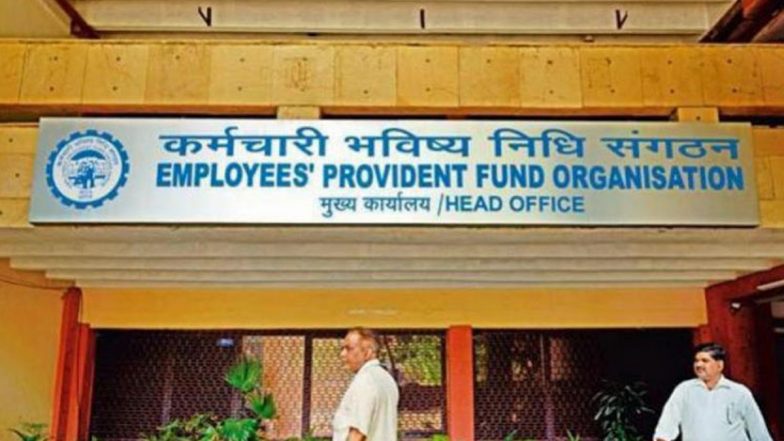
The Employees' Provident Fund Organisation (EPFO) is exploring a comprehensive new pension scheme aimed at restructuring the existing higher pension system. According to reports surfaced on Thursday, April 23, 2026, the proposed framework could significantly alter retirement benefits for millions of private-sector subscribers, with current projections suggesting a reduction in future monthly payouts to rein in the fund's long-term liabilities.
A Shift from the Higher Pension System
The proposal seeks to replace the current higher pension model, which has been the subject of extensive legal debate and administrative complexity. The new scheme may be implemented with retrospective effect from September 1, 2014, or from the date of formal notification. How EPFO 3.0 Will Change PF Access for Salaried Employees.
Under the draft guidelines, while the basic structure of the Employees' Pension Scheme (EPS) remains, the calculation methods for those contributing on actual salaries above the statutory wage ceiling (currently INR 15,000) are set to change. This move is largely seen as an effort to stabilize the pension fund, which has faced increased pressure following judicial mandates to allow higher contributions. EPFO PF Withdrawal Rules 2026: Know When and How You Can Access Your Savings Easily.
Key Features of the Proposed Reform
The reform introduces a dual-layered approach to pension contributions and benefits:
-
Wage Ceiling Contributions: Pension for mandatory contributions up to the wage ceiling will continue to be governed by the existing formula.
-
Additional Contributions: Employees may opt to contribute to a separate individual account for wages above the ceiling. This can be done via monthly installments or lump-sum payments.
-
Annuity Options: The accumulated "extra" contributions would be payable at retirement either as an annuity (interest-based monthly payout) or through structured withdrawals, rather than being part of the standard defined-benefit formula.
-
Minimum Pension Boost: In a notable move for low-income earners, the proposal suggests increasing the minimum monthly pension from INR 1,000 to INR 3,000, funded by the Central Government’s 1.16% contribution.
Pro Rata Payouts and Legal Concerns
The news follows a January 18 circular from the EPFO which applied the "pro rata" method to higher pensions- a calculation that effectively reduces the pension amount for those whose service spans across different wage ceiling eras.
Internal documents released via RTI applications suggest that the EPFO is aware of the potential for significant pushback. The organization has noted a high likelihood of widespread protests from pensioners and expects a fresh wave of legal challenges. If the scheme is applied retrospectively, existing higher pension beneficiaries may be given a choice to either stay in the revamped scheme or exit and reclaim their contributions with interest.
Background: The EPS-95 Context
The Employees' Pension Scheme, 1995 (EPS-95) is a social security umbrella for organized sector workers. Traditionally, the employer’s 12% contribution is split, with 8.33% going toward the pension fund. The ongoing struggle to balance "assured" payouts with "actual" salary contributions has led to this latest attempt at structural reform.
The Central Board of Trustees (CBT) is expected to discuss the final implementation roadmap in its upcoming sessions. For now, subscribers are advised to monitor official notifications, particularly regarding the May 2026 window for profile updates and pension choice declarations.
(The above story first appeared on LatestLY on Apr 24, 2026 03:03 PM IST. For more news and updates on politics, world, sports, entertainment and lifestyle, log on to our website latestly.com).