E20 Petrol Mandate in India: Centre Mandates 20% Ethanol and 95 Octane Rating Nationwide from April 1
Starting April 1, India mandates E20 petrol with a minimum 95 Octane (RON) rating nationwide. This shift to 20 per cent ethanol blending aims to cut oil imports and carbon emissions while supporting farmers. While newer vehicles are E20-ready, the 95 RON standard ensures engine stability and prevents knocking in older models.

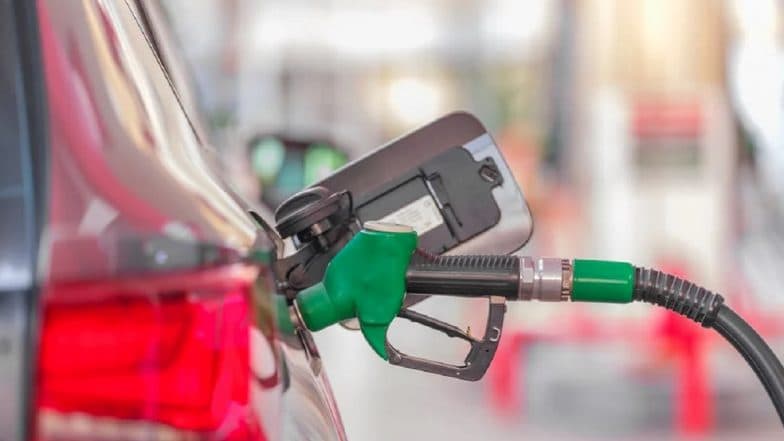
New Delhi, February 26: The Union Ministry of Petroleum and Natural Gas has issued a nationwide mandate requiring all states and Union Territories to transition to petrol blended with 20 per cent ethanol (E20) starting April 1, 2026. The directive, issued via a February 17 notification, also establishes a stricter quality benchmark, requiring the fuel to have a minimum Research Octane Number (RON) of 95. This move is designed to stabilise engine performance as the country nears its goal of total ethanol integration.
While the order applies broadly across the country, the Central Government has reserved the right to grant temporary exemptions for specific regions under exceptional circumstances. Ethanol Mixing in Petrol Shows No Adverse Impact on Cars; Benefitting Farmers, Nitin Gadkari Tells Lok Sabha.
Understanding RON 95 and Engine Protection
The decision to mandate a minimum RON of 95 is a strategic technical requirement to prevent "engine knocking". RON, or Research Octane Number, measures a fuel's resistance to pre-ignition - a phenomenon where fuel burns unevenly, causing a metallic pinging sound and potential long-term engine damage.
Ethanol naturally possesses a high octane value of approximately 108. By blending 20 per cent ethanol into base petrol, the resulting fuel becomes significantly more stable under high compression. This "self-control under pressure" ensures that modern high-compression engines operate at peak efficiency without the risk of loss of power.
Economic and Environmental Impact
The shift toward E20 is a cornerstone of India’s strategy to enhance energy security. By substituting a fifth of every litre of petrol with domestically produced ethanol - derived from sugarcane, maize, and surplus grains - the government aims to drastically reduce the nation’s heavy reliance on crude oil imports. Since 2014-15, ethanol blending has already saved India more than INR 1.40 lakh crore in foreign exchange. Beyond the financial benefits, the mandate supports the agricultural sector by creating a consistent market for farmers and helps lower carbon emissions, as ethanol burns cleaner than pure fossil fuels.
Compatibility for New and Old Vehicles
Most vehicles manufactured in India between 2023 and 2025 are already engineered to be E20-compliant. For these newer models, the transition is expected to be seamless with no significant operational issues.
However, owners of older vehicles may notice minor changes. Technical experts suggest that non-compliant engines might experience:
- Mileage Adjustment: A potential 3 per cent to 7 per cent drop in fuel efficiency.
- Component Wear: Possible degradation of certain rubber or plastic seals over time.
The government’s insistence on the 95 Octane standard is specifically intended to mitigate these risks and ensure that older engines remain protected from the structural stress of knocking. E20 Fuel Controversy: Ethanol-Blended Fuel Has No Impact on Vehicles, Claims Union Minister Hardeep Singh Puri.
Accelerating the Ethanol Roadmap
India has consistently outperformed its own blending targets. After achieving 10 per cent blending in June 2022 - five months ahead of schedule - the government moved the 20 per cent deadline forward from 2030 to the current 2025-26 window. Currently, a vast majority of fuel stations across India are already dispensing E20 petrol. This new mandate formalises the transition, ensuring that the fuel quality remains uniform and optimised for the next generation of Indian mobility.
(The above story first appeared on LatestLY on Feb 26, 2026 04:21 PM IST. For more news and updates on politics, world, sports, entertainment and lifestyle, log on to our website latestly.com).