Holashtak 2026: 8-Day Inauspicious Period Set To Begin From February 24 Ahead of Holi
According to the Hindu lunar calendar, Holashtak commences on the Ashtami Tithi (eighth day) of the Shukla Paksha in the month of Phalguna. This year, the period will conclude on the evening of March 3 with the ritual of Holika Dahan, clearing the way for the color celebrations of Rangwali Holi on March 4.

New Delhi, February 22: The annual eight-day period of Holashtak is set to begin on Tuesday, February 24, 2026, marking a traditional pause in auspicious activities across several regions of India. Falling exactly eight days before the festival of Holi, the period is observed with spiritual restraint and is considered a time for inner reflection and charity rather than major life celebrations.
According to the Hindu lunar calendar, Holashtak commences on the Ashtami Tithi (eighth day) of the Shukla Paksha in the month of Phalguna. This year, the period will conclude on the evening of March 3 with the ritual of Holika Dahan, clearing the way for the color celebrations of Rangwali Holi on March 4. Holi: Why Do We Celebrate the Festival of Colours? The Origin and Fascinating Legend of Holi and Holika Dahan.
Spiritual Significance and Mythology
The term "Holashtak" is derived from the words "Holi" and "Ashtak" (meaning eight). While many view it as a period of caution, it is deeply rooted in two primary Hindu legends that emphasize devotion and transformation.
The most prominent story is that of Bhakta Prahlad, the young devotee of Lord Vishnu. It is believed that during these eight days, the demon king Hiranyakashipu subjected Prahlad to severe torture to break his faith. Consequently, these days are viewed as a time of struggle, making them unsuitable for celebrations. Holi: Best Places To Celebrate the Festival of Colours in India.
Another legend from the Shiv Puran suggests that Lord Shiva incinerated Kamadeva (the god of love) on the Ashtami Tithi, marking these days with intense spiritual energy and tapasya (penance).
Astrological Impacts and Restrictions
Astrologers note that during Holashtak, the eight major planets—the Sun, Moon, Mars, Mercury, Jupiter, Venus, Saturn, and Rahu—are believed to enter a "fierce" or unstable state. This planetary flux is the primary reason why practitioners of Vedic astrology advise against starting new ventures.
Commonly avoided activities during this period include:
-
Weddings and Engagements: Marriage ceremonies are strictly paused.
-
Property and Vehicles: Buying new homes (Griha Pravesh) or purchasing vehicles is generally postponed.
-
Ceremonies: Rituals like Namkaran (naming ceremonies) and Mundan (shaving of a child’s head) are not performed.
-
Business Ventures: Launching new startups or signing major financial contracts is avoided.
Recommended Practices: Charity and Cleansing
While external celebrations are halted, Holashtak is considered highly rewarding for spiritual and communal activities. Many devotees use this time for "inner cleansing" through meditation and the chanting of Vishnu and Shiva mantras.
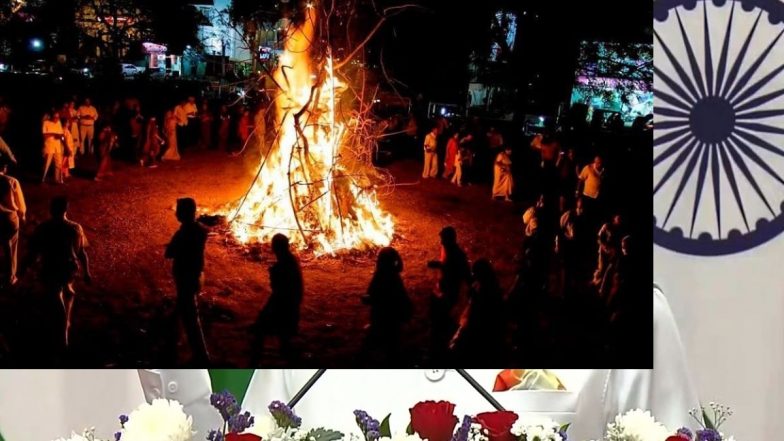
Charity (Daan) is particularly emphasized. Distributing food, clothing, and grains to the underprivileged is believed to yield significant spiritual merit during these eight days. In many North Indian villages, the period also marks the practical start of Holi preparations, as communities begin gathering wood and sticks at designated spots for the upcoming Holika Dahan bonfire.
Preparation for Holi
As Holashtak begins on February 24, the atmosphere shifts from routine activity to one of quiet anticipation. Once the period ends with the symbolic burning of the Holika pyre on March 3, the restrictions are lifted, leading into the vibrant and joyful festivities of Holi the following morning.
(The above story first appeared on LatestLY on Feb 22, 2026 06:32 PM IST. For more news and updates on politics, world, sports, entertainment and lifestyle, log on to our website latestly.com).