How Is Mumbai Mayor Elected? From Nominations to Voting Method and Tenure, All You Need To Know
As the BJP-Shiv Sena alliance wins BMC elections 2026 by bagging 118 seats, the focus has now shifted from the ballot box to the BMC headquarters at Fort for the new Mayor of Mumbai. The process to elect Mumbai’s 77th Mayor has officially begun. Often referred to as the "First Citizen" of the city, the Mayor is not chosen directly by the public. Scroll below to know more.

- Read in
- हिंदी
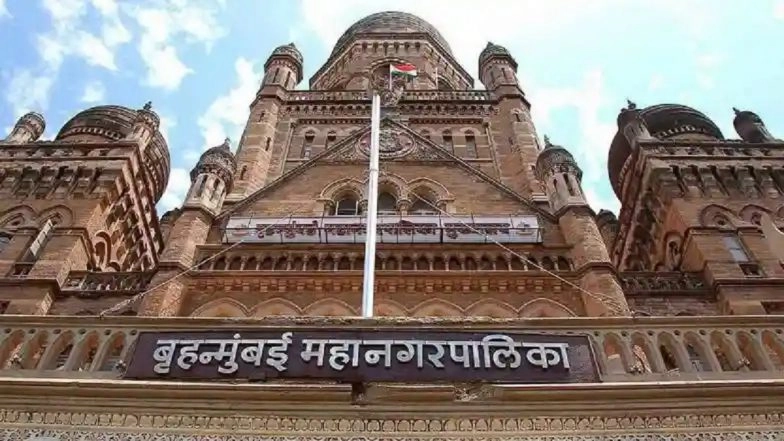
Mumbai, January 17: With the conclusion of the 2026 Brihanmumbai Municipal Corporation (BMC) elections on January 16, the focus has shifted from the ballot box to the BMC headquarters at Fort in CST. As the Mahayuti alliance - comprising the BJP and the Eknath Shinde-led Shiv Sena - secured a majority with 118 seats, the process to elect Mumbai's 77th Mayor has officially begun. Often referred to as the "First Citizen" of the city, the Mayor is not chosen directly by the public, but through a structured internal voting process among the newly elected corporators. It is worth noting that Mumbai will finally be getting a mayor after four years. The last person to hold the post of Mumbai Mayor was the United Shiv Sena’s Kishori Pednekar.
The Role of the Newly Elected Corporators in Mumbai Mayor's Election
The foundation of the mayoral election lies in the general civic polls. Mumbai is divided into 227 electoral wards, each represented by a corporator (councillor). On January 15, millions of Mumbaikars voted to elect these representatives. ‘Mumbai Mayor Will Be Hindu, Marathi and From MahaYuti’, Says Maharashtra CM Devendra Fadnavis Ahead of BMC Elections 2026.
Once the State Election Commission gazettes the names of the winning candidates, these 227 corporators will form the "General Body" of the BMC. It is this body that holds the exclusive power to elect the Mayor and Deputy Mayor from within its ranks.
The Election Procedure
The election of the Mayor follows a specific legal protocol under the Mumbai Municipal Corporation Act, 1888:
Filing of Nominations: Any elected corporator can file a nomination for the post of Mayor. Usually, the party or alliance with the majority (at least 114 seats) decides on a single candidate to ensure a smooth victory.
The Special Meeting: The Municipal Secretary, in consultation with the Municipal Commissioner, convenes a special meeting of the newly elected house. This meeting is typically presided over by the outgoing Mayor or a presiding officer appointed by the State Government.
Voting Method: If there is more than one candidate, a show of hands or a secret ballot is conducted among the corporators present. The candidate who secures the simple majority of votes from the members present and voting is declared the winner.
Tenure and Rotation
Unlike the five-year term of the corporators, the Mayor’s tenure is 2.5 years. This allows for a mid-term change in leadership, often used by political alliances to share power between different factions or to satisfy various internal party demographics.
Additionally, the office of the Mayor is subject to a reservation policy. Depending on the state government's lottery-based rotation, the post may be reserved for candidates from specific categories, such as Scheduled Castes (SC), Scheduled Tribes (ST), Backward Classes, or specifically for women. List of Mayors of Mumbai: A Complete Historical Timeline.
Mumbai Mayor - Ceremonial vs Executive Power
While the Mayor holds the highest ceremonial rank in the city, the actual executive authority of the BMC rests with the Municipal Commissioner, an IAS officer appointed by the State Government. The Mayor’s functional role is primarily to preside over the Corporation’s meetings, maintain order in the house, and represent the city at high-level diplomatic and civic functions. However, the Mayor exercises significant political influence over the civic body's policies and acts as a bridge between the elected representatives and the administration.
(The above story first appeared on LatestLY on Jan 17, 2026 01:54 PM IST. For more news and updates on politics, world, sports, entertainment and lifestyle, log on to our website latestly.com).