Which Tiffin Box Is Best for Your Health? Comparing Steel, Glass, Plastic, Brass and Aluminium
As professionals and students pack daily lunches, the choice of tiffin material has become a health decision. From borosilicate glass and stainless steel to plastic and traditional metals, each reacts differently with heat and food - making the right container key to safe, toxin-free meals.

New Delhi, January 2: As millions of professionals and students pack lunch every morning, the humble tiffin box has become a key health and sustainability decision. What once depended on convenience and price is now shaped by food safety awareness, evolving 2026 guidelines from regulators such as the FSSAI, and concerns around chemical leaching.
Different tiffin materials-glass, stainless steel, plastic, brass, and aluminium - react differently to heat, oil, and acidic foods. Knowing how these materials behave is essential to ensure your home-cooked meal stays nutritious and toxin-free until lunchtime. Is 1st January 2026 the Hindu New Year?
Glass Tiffin Boxes: The Gold Standard for Food Safety
Glass is widely considered the safest lunch box material for daily use. High-quality borosilicate glassis chemically inert, meaning it does not react with acidic or spicy foods such as tomato gravies or vinegar-based dishes. New Year’s Resolutions: Check Origin, Reason Why Most Fail and How To Build Habits That Last As We Welcome New Year 2026.
Why glass is a top choice
• Does not leach chemicals into food
• Safe for microwave and oven reheating
• Does not retain stains, smells, or colours
• Transparent, making it easy to identify contents
Limitations to keep in mind
• Heavier than other materials
• Fragile and requires a padded carry bag
Best suited for: Office-goers with access to a microwave and stable desk storage.
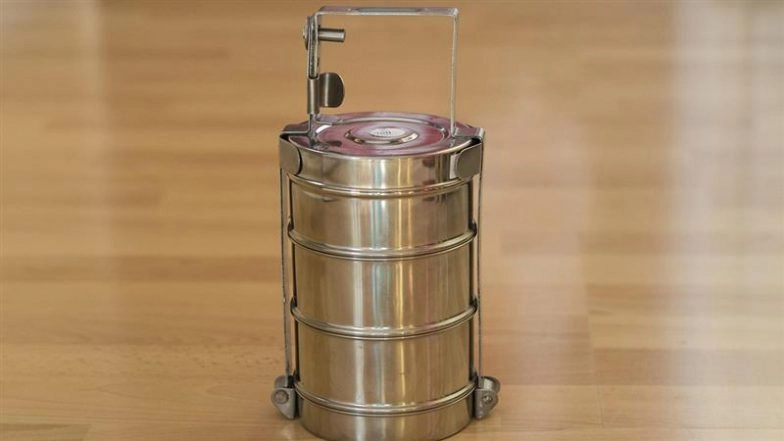
Stainless Steel Tiffin Boxes: The Durable All-Rounder
Stainless steel remains the backbone of India’s tiffin culture. It strikes a strong balance between safety, durability, and portability. Food-grade stainless steel does not react with most foods and lasts for decades.
Key advantages
• Extremely durable and drop-resistant
• Lightweight compared to glass
• Fully recyclable and environmentally friendly
• Does not absorb food odours
Things to note
• Traditional steel is not microwave-safe
• Contents are not visible without opening
Best suited for: Students, commuters, and people with active routines where durability matters most.
Plastic Lunch Boxes: Convenience With High Caution
Plastic remains common due to its low cost and light weight, but it is also the most debated material. Even containers labelled “BPA-free” can release other chemicals like phthalates or microplastics when exposed to heat, oil, or repeated use.
If you must use plastic, follow these safety rules
• Choose food-grade plastics marked 2 (HDPE), 4 (LDPE), or 5 (PP)
• Never microwave plastic unless clearly labelled microwave-safe
• Avoid storing hot, oily, or acidic foods
• Discard containers that are scratched, warped, or discoloured
Pros
• Cheapest and lightest option
• Easy to carry
Cons
• Higher risk of chemical leaching over time
• Retains stains and food smells
Brass and Aluminium Tiffins: Traditional Choices With Conditions
Brass Tiffin Boxes (The Ayurvedic Option)
Brass, an alloy of copper and zinc, is traditionally valued for its antimicrobial and immunity-supporting properties. However, it reacts strongly with acidic foods.
Safety condition:
Brass tiffins must be tin-coated (kalai). Without this lining, acidic food can cause verdigris formation, which is toxic.
Best use: Dry or mildly spiced foods, only in properly coated containers.
Aluminium Tiffin Boxes: Lightweight but Reactive
Aluminium is popular for its low weight and heat conductivity, but it can leach metal into food, especially with spicy or citrus dishes.
Safer alternative:
Anodized aluminium is treated to form a non-reactive layer, making it significantly safer than raw aluminium.
Making the Right Tiffin Choice
There is no one-size-fits-all lunch box. Your ideal tiffin depends on how you store and reheat food.
• For maximum food safety and microwave use, borosilicate glass is the best option.
• For durability, portability, and long-term use, food-grade stainless steel is the most practical choice.
• Plastic should be a last resort and used with strict precautions.
• Brass and aluminium can be used safely only when properly treated and matched with the right type of food.
Choosing the right tiffin material ensures your daily meal remains healthy, safe, and environmentally responsible - long after it leaves your kitchen.
(The above story first appeared on LatestLY on Jan 02, 2026 10:05 PM IST. For more news and updates on politics, world, sports, entertainment and lifestyle, log on to our website latestly.com).