Ajaz Khan ‘MMS Leak’ Video Goes Viral Again: Real or Clickbait?
Recent viral claims of an Ajaz Khan "MMS leak" appear to be clickbait. While social media thumbnails use provocative imagery to drive traffic, the provided links do not contain a private video. The speculation likely stems from his recent controversial reality show clips, and the actor has not yet officially addressed these rumors.

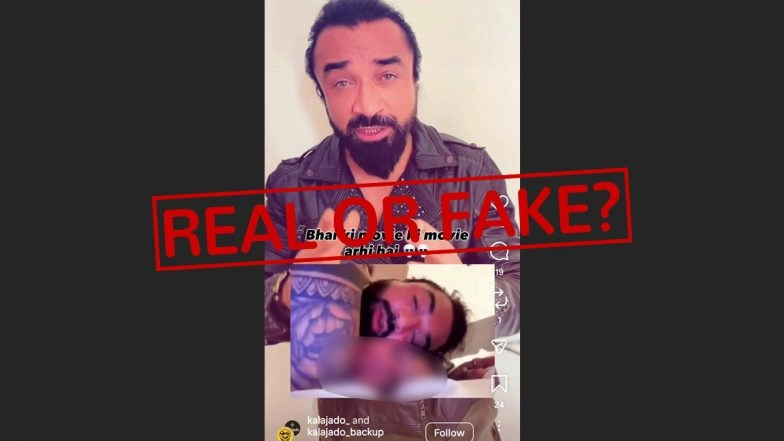
Mumbai, January 19: Actor and former Bigg Boss contestant Ajaz Khan is once again at the center of a social media firestorm. Recently, searches for a "viral MMS leak" involving the actor have spiked across platforms, particularly on Instagram, leading to widespread speculation. Is Ajaz Khan "MMS leak" viral video real or another clickbait? Let's have a closer look at the trending clip.
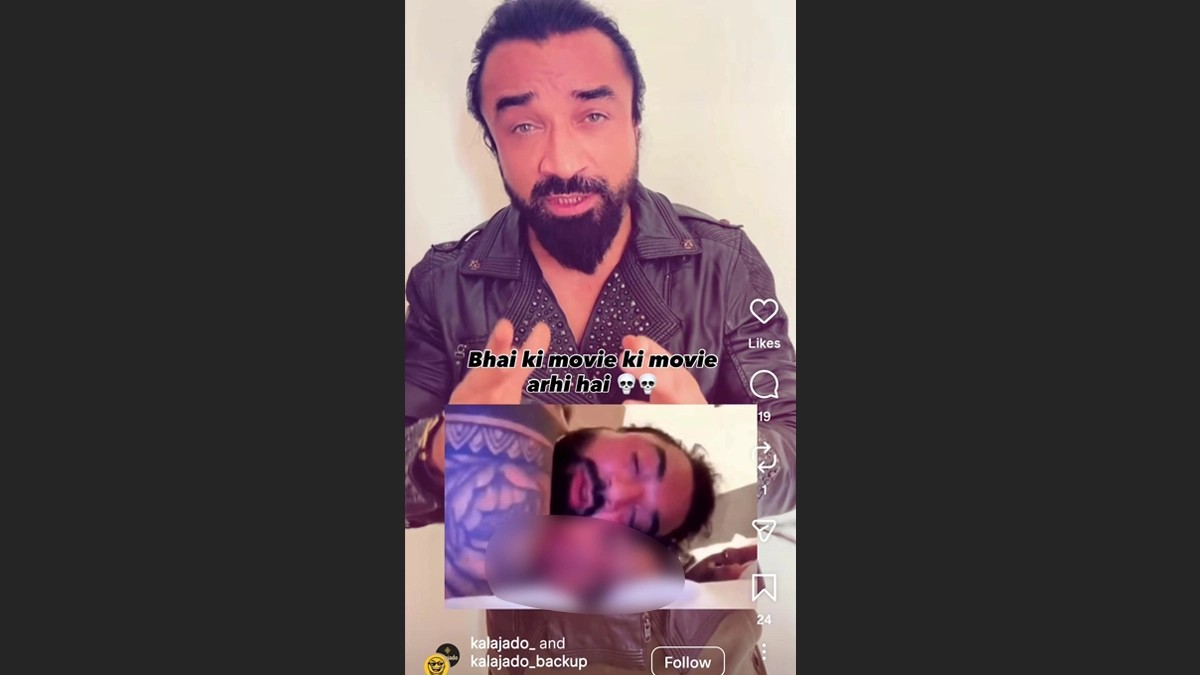
Multiple social media accounts have shared a thumbnail purportedly showing Ajaz Khan making out with a girl. These accounts used the term "MMS Leak", apparently to attract views, and asked users to click on the link provided in comment section. However, the link does not take you to the alleged Ajaz Khan MMS video. The actor has so far not reacted to the "MMS Leak" controversy.
Ajaz Khan ‘MMS Leak’ Video Goes Viral Again
What Is 'MMS Leak' Scam?
"MMS leak" clickbait is a predatory digital scam that exploits human curiosity and social voyeurism to drive traffic to malicious or fraudulent websites. Typically appearing as sensationalized headlines or blurred thumbnails on social media platforms like Instagram, YouTube, and Telegram, these posts claim to feature "leaked" private videos of celebrities or college students to create a false sense of urgency. Sharing Fatima Jatoi and Marry Umair Viral Videos? Know Legality About Spreading ‘19 Minute 34 Second’ and ‘7 Minute 11 Second’ MMS Links.
In reality, these "leaks" are almost always non-existent; the links instead lead users through a "marketing funnel" designed to generate revenue via forced ad views, affiliate app downloads, or subscription traps. More dangerously, these links are frequently used for phishing and malware distribution, where unsuspecting users might have their personal data harvested or their devices infected with spyware.
Beyond the financial and security risks to the viewer, this brand of clickbait inflicts severe real-world harm on the individuals falsely named in the headlines, perpetuating digital defamation and contributing to a culture of online harassment and misinformation.
Ajaz Khan 'Threesome' MMS Leak Controversy
In April 2025, Khan became the subject of a viral controversy when a "leaked MMS" purportedly showing him in a compromising "threesome" scenario began circulating on social media. However, the incident was quickly dismissed by netizens and media outlets as a calculated publicity stunt designed to generate buzz for his upcoming reality show, House Arrest, on the Ullu app. ‘Show Ke Liye Hai’: Netizens REACT to Ajaz Khan’s Leaked MMS ‘Threesome’ Video, Call It Publicity Stunt To Promote ‘Bigg Boss’ Fame Actor’s Upcoming Ullu Show ‘House Arrest’ – WATCH.
Skepticism arose when viewers identified the other individuals in the video as confirmed participants from the show's official teaser, leading many to criticize the use of sensationalist, "leaked" content as a desperate marketing tactic to boost OTT viewership. This case serves as a prime example of how "MMS leak" narratives are often manufactured as clickbait to exploit public curiosity for commercial gain.
Duration-Based Trend
In recent months, a predatory digital trend has emerged involving specific "timestamp tags", most notably "19 minute 34 second" and "12 minute 46 second", to bypass social media safety filters and weaponize viral curiosity. These trends typically weaponize a "leaked MMS" narrative, using precise durations as search codes on platforms like Instagram and X to lead users toward malicious links.
A prominent flashpoint occurred in late 2025 following a genuine privacy breach involving a Bengali influencer couple; however, the incident was quickly co-opted by bad actors who misidentified and harassed other creators, including Sweet Zannat, Payal Gaming, Justin D’Cruz, and Sakshi Shrivas. The "Umair 7:11" and "Marry Astar" trends emerged as prominent examples of deceptive digital marketing and engagement bait within the Pakistani social media sphere.
Subsequent investigations into newer iterations, such as the "Umair 7:11" and "5:39" trends, revealed that these "leaks" were entirely non-existent. Instead, the timestamps served as sophisticated engagement bait, using the guise of a scandal to distribute deepfakes, drive traffic to fraudulent sites, or fuel coordinated harassment campaigns against high-profile influencers.
(The above story first appeared on LatestLY on Jan 19, 2026 10:31 AM IST. For more news and updates on politics, world, sports, entertainment and lifestyle, log on to our website latestly.com).