What Is Social Media Vetting Which Trump Admin Plans To Expand for Foreign Students? How Will It Affect US Student Visa Issuance Process?
The Trump administration plans to expand social media vetting for foreign students, requiring online activity checks. This may slow visa processing and increase scrutiny, raising privacy concerns for applicants.

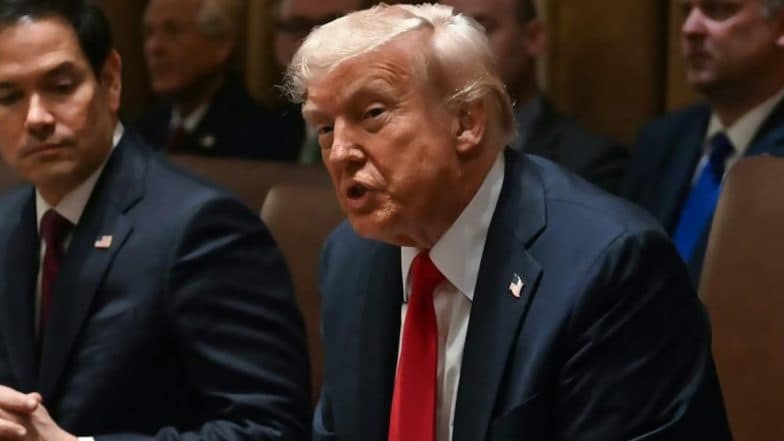
The policy being proposed would require all foreign applicants wanting to study in the United States to undergo checks of their social media activity. The officials said the rationale behind this was to assess if there were potential security risks to the information that individuals share. Donald Trump Administration Halts New Student Visa Interviews, Mulls More Social Media Vetting for Foreign Nationals: Report.
What Is Social Media Vetting?
Reviewing an individual's online activity is called social media vetting, and it helps determine a person's background, political views, beliefs, and behaviours. This process involves scrutinising every "public" post, photo, like, comment, and connection made on social media applications, including Facebook, Instagram, Twitter (X), LinkedIn, and YouTube. Government agencies, businesses, and institutions use social media vetting to help determine a person's eligibility for visas, employment, and scholarships. US Issues Orders Easing Syria Sanctions After President Donald Trump’s Pledge.
Social media vetting plays an important role in visa applications, especially in a country like the United States. Immigration officials use social media vetting as a tool to identify potential security threats and identify false information in applications. For example, when a foreign national applies for a student visa, immigration officials may want to site your social media activity and make sure what you do and say line up with your application. Suspicious activity, alliances, or outright contradiction could raise red flags, and in some cases a denial of the visa.
How Will It Affect US Student Visa Issuance Process?
If social media vetting is introduced, student visa applicants might have to provide their social media profiles for assessment. This could lead to long processing times and increased scrutiny, especially for applicants from higher-risk countries. While the policy is presumably intended to enhance security, it could lead to privacy issues and disincentivise students from applying.
(The above story first appeared on LatestLY on May 28, 2025 04:34 PM IST. For more news and updates on politics, world, sports, entertainment and lifestyle, log on to our website latestly.com).