











 Quickly
 Socially
 Trending
 Crypto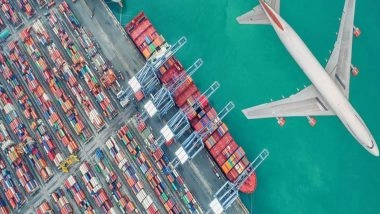
New Delhi [India], December 21 (ANI): Structural drivers, such as digitisation, technological advancements and favourable demographics, may continue to position India among the fastest-growing major economies, according to the Economic Outlook 2026 released by the Mastercard Economics Institute (MEI).
India's economy is expected to consolidate on its long-term growth trajectory in 2026, with real GDP growth moderating to 6.6 per cent and inflation rising to 4.2 per cent, according to the Economic Outlook 2026.
The outlook follows an expected strong performance in 2025, when India is estimated to record 7.8 per cent GDP growth with inflation at 2.2 per cent.
MEI stated that "India's economy is expected to consolidate toward long-term trends in 2026," reflecting a shift from above-trend growth toward a more sustainable pace.
Domestic policy measures are expected to support economic activity. Broadly, the Indian economy is supported by policy, demographics and digitalisation.
According to the report, front-loaded monetary easing, income tax reforms and rationalisation of goods and services tax (GST) rates may bolster personal consumption.
In addition, targeted export support may help mitigate downside risks arising from global disruptions and external market volatility.
MEI noted that disinflationary impulses from lower global goods and commodity prices could support India's growth resilience.
Structural factors also remain supportive.
The report said that "digitisation, technological advancements and favourable demographics may continue to position India among the fastest-growing major economies," underscoring the role of long-term drivers in sustaining momentum.
At the same time, external headwinds, however, persist.
MEI cautioned that high US tariffs may challenge labour-intensive sectors like textiles, gems and jewellery. The report also highlighted risks to the IT services sector, noting that tightening immigration norms could affect labour mobility, travel flows and remittances.
Progress on the ongoing US-India Bilateral Trade Agreement will therefore be closely monitored in 2026, it noted.
"The progress on the ongoing US-India trade deal will be closely watched. These shifts also present opportunities for India to diversify supply chains and expand goods trade through bilateral and regional agreements -- fueling growth in global capability centres and Tier 2-3 cities," the MEI report said. (ANI)
(The above story is verified and authored by ANI staff, ANI is South Asia's leading multimedia news agency with over 100 bureaus in India, South Asia and across the globe. ANI brings the latest news on Politics and Current Affairs in India & around the World, Sports, Health, Fitness, Entertainment, & News. The views appearing in the above post do not reflect the opinions of LatestLY)
 Share Now
 Google Trends



 Live Bot