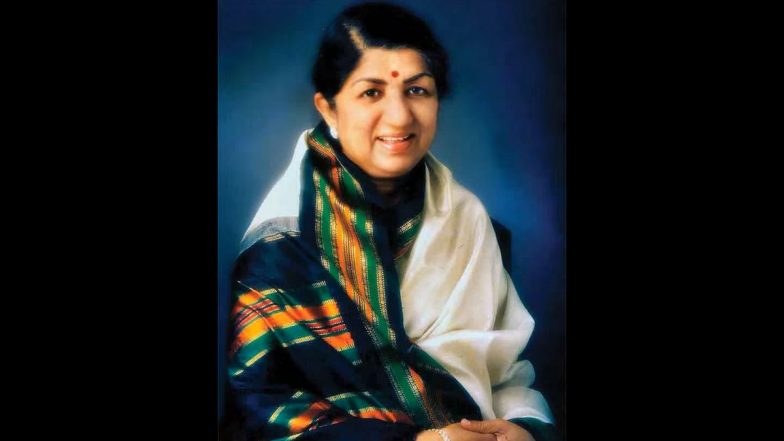
RIP Asha Bhosle: 5 Underrated Songs of the Iconic Singer
The legendary playback singer Asha Bhosle has passed away at the age of 92. While celebrated for her iconic mainstream hits, her career was defined by technical mastery in underrated classics like 'Dil Ki Manzil Kuch Aisi Hai' and 'Bin Badal Barsat Na Hogi'. Check out some of her top underrated classics inside!


The global music community is mourning the loss of Asha Bhosle, the legendary Indian playback singer whose career spanned over eight decades and defined the sound of Hindi cinema. Bhosle, recognised by the Guinness World Records as the most recorded artist in music history, passed away peacefully, leaving behind a monumental legacy of over 12,000 songs. While her high-energy hits and cabaret numbers often dominated the spotlight, her vast discography contains deep, technical masterpieces that showcased her versatility beyond the mainstream "item numbers" of her era. Asha Bhosle Dies: When Legendary Singer Opened Up About Her Abusive First Marriage With Ganpatrao Bhosle.
Remembering the Versatility of Asha Bhosle
Asha Bhosle’s career was often defined by her ability to adapt. While her sister, Lata Mangeshkar, was frequently cast for soulful or virtuous heroines, Asha became the voice of the modern, rebellious, and emotionally complex woman.
Her collaboration with composers like OP Nayyar and RD Burman revolutionised the use of jazz, Latin, and pop influences in Indian music. However, some of her most technically proficient work remains tucked away in lesser-known soundtracks. Here are five underrated tracks that highlight the depth of her vocal range.
‘Dil Ki Manzil’
From the 1963 film Tere Ghar Ke Samne, this track is a masterclass in vocal control. Composed by SD Burman, "Dil Ki Manzil Kuchh Aisi Hai" features a sophisticated "Cha-Cha-Cha" rhythm that was ahead of its time. Bhosle’s ability to navigate the complex, soaring scales while maintaining a playful yet polished tone demonstrates why she was the go-to artist for tracks requiring high-level technical precision.
‘Bin Badal Barsat Na Hogi’
From the film Bin Badal Barsat (1963), this track is a hidden gem of the early sixties. Composed by Hemant Kumar, "Bin Badal Barsat Na Hogi" features Bhosle’s flawless control over classical notes. It serves as a reminder that before she was the "Queen of Indipop," she was a classically trained powerhouse capable of delivering intricate ragas with effortless grace.
‘Saba Se Yeh Kehdo’
Though she was often associated with fast-paced tracks, Bhosle was an exceptional Ghazal singer. In the film Bankelal, the track "Saba Se Yeh Keh Do" highlights her breath control and her ability to convey "thahrav" (stillness). The song is often overlooked in favour of her more commercial 1970s output, but it remains a staple for aficionados of her mid-career vocal texture.
‘Paan Khaye Saiyan Hamaro’
While Teesri Kasam (1966) is a cinematic classic, this specific track is a testament to Bhosle’s ability to mimic regional dialects and folk sensibilities. She manages to sound both playful and grounded, capturing the rural essence of the character. It is a sharp departure from her sophisticated urban persona, proving her chameleonic talent.
‘Yeh Saye Hain, Yeh Duniya Hai’
From the film Sitara (1980), this RD Burman composition captures a moody, atmospheric side of Bhosle that the public rarely saw. It moves away from the "O Mere Sona Re" energy into something far more philosophical and dark. Her lower register in this track provides a haunting quality that remains one of the most underrated vocal performances of the 1980s. Asha Bhosle No More: Life and Times of the ‘Nightingale of Asia’.
Her ability to reinvent herself from the classical 1950s to the disco 1980s and the pop 1990s ensured that she remained relevant across generations. While the world hums her famous choruses today, it is in these underrated tracks that the true extent of her artistry lives on.
(The above story first appeared on LatestLY on Apr 12, 2026 04:10 PM IST. For more news and updates on politics, world, sports, entertainment and lifestyle, log on to our website latestly.com).