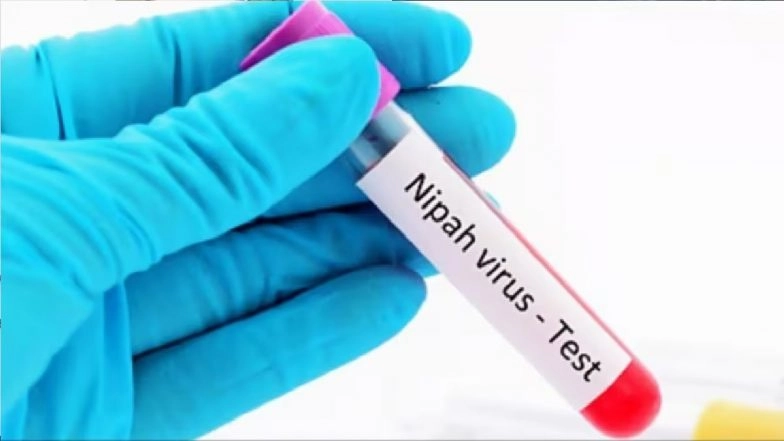
How Nipah Virus Attacks the Brain and Essential Safety Tips
As India remains on high alert following reports of Nipah virus (NiV) cases, medical experts are raising awareness about the pathogen’s ability to cause severe neurological damage. The virus, primarily transmitted from fruit bats to humans, is known for its high fatality rate, ranging between 40% and 75%.

Mumbai, February 3: As India remains on high alert following reports of Nipah virus (NiV) cases, medical experts are raising awareness about the pathogen’s ability to cause severe neurological damage. The virus, primarily transmitted from fruit bats to humans, is known for its high fatality rate, ranging between 40% and 75%. Health authorities have emphasised that early detection and strict adherence to safety protocols are the only effective measures against the outbreak, as there is currently no specific vaccine or cure for the infection.
The virus is classified as a zoonotic pathogen, meaning it jumps from animals to humans. In India, past outbreaks in states like Kerala have shown that the virus often spreads through the consumption of fruits contaminated by the saliva or urine of infected fruit bats. Once it enters the human body, the virus can lead to rapid respiratory distress and, in more severe cases, fatal encephalitis, a condition characterised by the swelling of the brain. Nipah Virus Cases in West Bengal: India Intensifies Efforts To Contain New Nipah Virus Outbreak; Know Its Symptoms and Treatment.
How Nipah Virus Attacks the Brain
The Nipah virus is particularly dangerous because of its neurotropic nature, meaning it specifically targets the central nervous system. After an incubation period that can last from 4 to 14 days, the virus begins to replicate, often manifesting first as a fever, headache, and sore throat.
As the infection progresses, it can cause significant inflammation in the brain. Patients may experience acute respiratory infection, followed by drowsiness, disorientation, and mental confusion. In advanced stages, this can escalate to a coma within 24 to 48 hours. Long-term survivors of the virus often report persistent neurological issues, including personality changes or seizure disorders. What Is Nipah Virus? Symptoms, Causes, Transmission and Fatality Risk Explained.
Modes of Transmission
The Nipah virus spreads through three primary channels:
- Animal-to-Human: Consuming raw date palm sap or fruits (such as guavas or mangoes) that have been bitten or contaminated by infected fruit bats.
- Human-to-Human: Close contact with the blood, urine, or secretions of an infected person. This often occurs in family settings or healthcare environments.
- Animal-to-Animal: In some outbreaks, pigs have acted as intermediate hosts, contracting the virus from bats and passing it to farmers or slaughterhouse workers.
Nipah Virus Outbreak in India: Essential Safety and Prevention Tips
In the absence of a vaccine, prevention remains the primary defense. Health officials recommend the following precautions to stay safe during an outbreak:
- Avoid Raw Sap and Fallen Fruit: Do not consume raw date palm sap or fruits found on the ground that show signs of animal bites.
- Practice Hand Hygiene: Wash hands frequently with soap and water after visiting sick relatives or returning from public places.
- Use Protective Gear: Healthcare workers and caregivers should use masks, gloves, and gowns when handling suspected Nipah patients.
- Avoid Bat Habitats: Stay away from areas where fruit bats are known to roost, such as certain wells or old trees.
The Ministry of Health and local state governments have intensified surveillance in high-risk zones. Mobile testing labs and isolation wards have been established to contain potential clusters. Authorities have urged citizens not to panic but to report any symptoms of high fever and breathlessness to the nearest health facility immediately.
(The above story first appeared on LatestLY on Feb 03, 2026 01:56 PM IST. For more news and updates on politics, world, sports, entertainment and lifestyle, log on to our website latestly.com).